




By using this site, you agree to the Privacy Policy and Terms of Use.
Accept
Hindustan PioneerHindustan Pioneer
  • Home
  • Business
  • News
  • Education
  • Entertainment
  • Lifestyle
  • Travel
  • Web Stories
Reading: Korea’s Kimchi Pit vs China’s Kimchi: A Cultural and Economic Clash
Share
Notification Show More
Latest News
Arunachal Pradesh artisans and designers preparing traditional textiles for fashion week
Arunachal Pradesh Gears Up for Fashion Week to Boost Artisan Economy
March 9, 2026
Rural road construction under PMGSY in Arunachal Pradesh
1,254 of 1,309 PMGSY Roads Completed in Arunachal: Minister
March 9, 2026
Garo Hills Autonomous District Council elections in Meghalaya
Meghalaya: Garo Hills Autonomous District Council Elections on April 10
March 9, 2026
North Eastern Council funding development projects in Northeast India
NEC Releases ₹67.41 Crore to Support Development Initiatives Across Northeast
March 9, 2026
Applicants for Mizoram Bana Kaih scheme
5,000 Apply for Mizoram’s Bana Kaih Scheme
March 9, 2026
Aa
Aa
Hindustan PioneerHindustan Pioneer
  • Home
  • Business
  • News
  • Education
  • Entertainment
  • Lifestyle
  • Travel
  • Web Stories
Follow US
  • Advertise
  • Editorial Policy
  • Contact Us
© 2022 Foxiz News Network. Ruby Design Company. All Rights Reserved.
Home » Blog » Korea’s Kimchi Pit vs China’s Kimchi: A Cultural and Economic Clash
BusinessEntertainmentLifestyleNews

Korea’s Kimchi Pit vs China’s Kimchi: A Cultural and Economic Clash

Reporter
By Reporter 3 Min Read Published January 25, 2023
Share
kimchi
SHARE

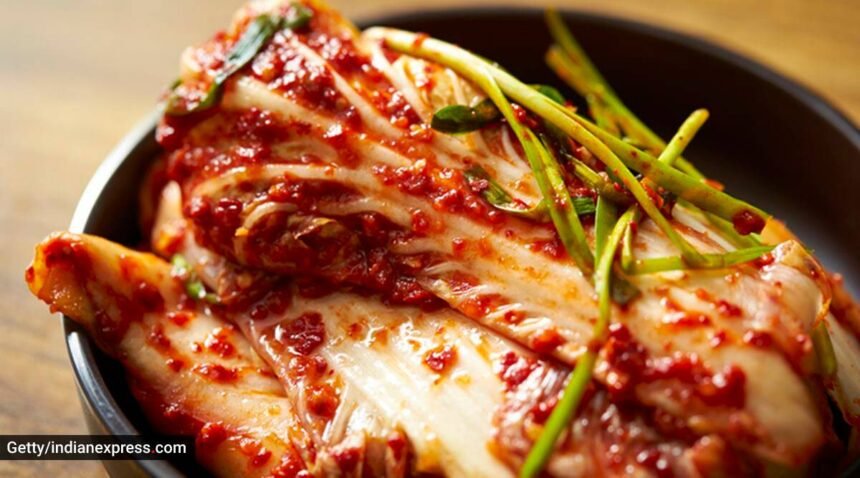
Kimchi, a traditional Korean fermented dish made from vegetables, has become a source of tension between South Korea and China. The dish is made by burying the vegetables in large earthen pots, known as “kimchi pits,” and allowing them to ferment over time. However, China has been using these same kimchi pits to store and ferment their own traditional fermented dish, called “baechu kimchi.” This has led to a rise in competition between the two countries in the global kimchi market, with each country claiming to produce the “authentic” version of the dish.

The kimchi industry is a significant part of South Korea’s economy, with exports of the dish worth around $200 million in 2019. The country has been promoting kimchi as a traditional Korean food, and has even applied to have it registered as a UNESCO Intangible Cultural Heritage. However, China has been rapidly expanding its own kimchi industry, and the country’s exports of the dish have grown by over 30% in the past year.

The competition between the two countries has led to a rise in trade tensions, with South Korea accusing China of stealing their traditional recipe and marketing it as their own. The two countries have also been engaging in a bitter dispute over the use of the name “kimchi,” with South Korea arguing that the dish should only be referred to as “kimchi” when made in the traditional Korean way.

The kimchi dispute is not the only trade issue between South Korea and China. The two countries have also been engaged in a broader trade dispute, with China imposing tariffs on South Korean goods and restricting imports of South Korean products, including cars and smartphones. The kimchi dispute is just one example of how these trade tensions are impacting specific industries and businesses in both countries.

The kimchi dispute also highlights the importance of intellectual property rights in the global food industry. As traditional foods become more popular and the demand for them increases, countries need to ensure that they are protecting their own traditional recipes and culinary heritage, while also respecting the intellectual property rights of other countries.

In conclusion, the competition between South Korea and China in the global kimchi market has led to a rise in trade tensions between the two countries. The kimchi industry is an important part of South Korea’s economy and cultural heritage, and the country is accusing China of stealing its traditional recipe. The dispute highlights the importance of intellectual property rights in the global food industry, and the need for countries to protect their traditional foods and culinary heritage.


You Might Also Like

Northeast Now Defined by Opportunity, Not Distance from Delhi: Vice President

Phil Collen Says Indian Culture Inspired His Vegetarian Lifestyle

Three Suspected Drug Smugglers Arrested in Moreh

Raijor Dal Ends Alliance Talks with Congress

Mizoram Assembly to Debate Resolution for Inclusion of Mizo Language in Eighth Schedule

TAGGED: China, Hindustanpioneer, Kimchi, Korea, WorldNews
Reporter January 25, 2023
Share this Article
Facebook Twitter Whatsapp Whatsapp LinkedIn Copy Link
Previous Article rocket NASA’s DRACO Engine: A Revolutionary Nuclear-Powered Rocket for Faster Trips to Mars
Next Article Indian Kung Fu Master Vivek Vyas, Bags the Title of No. 1 Celebrity Fitness Trainer of the Year 2023
Leave a comment

Leave a Reply Cancel reply

You must be logged in to post a comment.

Stay Connected

- Advertisement -

Latest News

Arunachal Pradesh artisans and designers preparing traditional textiles for fashion week
Arunachal Pradesh Gears Up for Fashion Week to Boost Artisan Economy
culture
Rural road construction under PMGSY in Arunachal Pradesh
1,254 of 1,309 PMGSY Roads Completed in Arunachal: Minister
Development
Garo Hills Autonomous District Council elections in Meghalaya
Meghalaya: Garo Hills Autonomous District Council Elections on April 10
Politics
North Eastern Council funding development projects in Northeast India
NEC Releases ₹67.41 Crore to Support Development Initiatives Across Northeast
Development

© 2022-2025 Hindustan Pioneer. All Rights Reserved.

  • About Us
  • Editorial Policy
  • Our Team
  • Contact Us

Removed from reading list

Undo
Welcome Back!

Sign in to your account

Lost your password?