





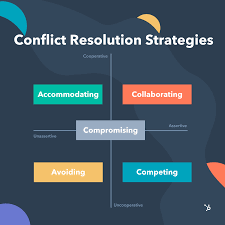
Effective Conflict Resolution: Timeless Techniques for Harmonious Relationships
Introduction:
Conflict is an inevitable part of human relationships, but how we navigate and resolve conflicts can profoundly impact the quality of our connections. Effective conflict resolution techniques provide valuable tools for fostering harmonious relationships and maintaining open communication. In this article, we will explore timeless techniques for resolving conflicts in a constructive and positive manner. By incorporating these strategies into your interactions, you can promote understanding, strengthen relationships, and cultivate a harmonious environment.
- Understanding Conflict and Its Impact:
- Defining conflict: Explore the nature of conflict and its potential effects on relationships and well-being.
- Identifying conflict triggers: Learn to recognize common triggers that escalate conflicts and contribute to communication breakdown.
- The importance of timely resolution: Understand the significance of addressing conflicts promptly to prevent further escalation and negative consequences.
- Active Listening and Effective Communication:
- Practicing active listening: Discover techniques for active listening that foster understanding and empathy during conflicts.
- Nonviolent communication: Explore the principles of nonviolent communication to promote open dialogue, mutual respect, and effective problem-solving.
- Assertive communication: Learn how to express your needs and concerns assertively while maintaining a respectful and constructive tone.
- Finding Common Ground and Collaboration:
- Seeking mutual understanding: Explore strategies to uncover common ground and shared goals, facilitating a collaborative approach to conflict resolution.
- Win-win solutions: Discover techniques for finding creative and mutually beneficial solutions that address the needs of all parties involved.
- Building empathy and compassion: Cultivate empathy and compassion to foster a deeper understanding of others’ perspectives and promote harmonious relationships.
- Managing Emotions and Self-Reflection:
- Emotion regulation: Learn strategies to manage and regulate your emotions during conflicts, enabling clearer and more constructive communication.
- Self-reflection and self-awareness: Understand the importance of self-reflection in conflict resolution, examining personal biases and triggers to promote growth and understanding.
- Practicing mindfulness: Explore how mindfulness can help you stay present and centered during conflicts, enhancing your ability to respond skillfully.
- Conflict Resolution Strategies for Different Relationships:
- Resolving conflicts in personal relationships: Discover techniques to navigate conflicts with family members, friends, and romantic partners, fostering deeper connections and understanding.
- Conflict resolution in the workplace: Learn approaches for resolving conflicts in professional settings, promoting a positive work environment and collaboration.
- Conflict resolution in community and social settings: Explore strategies for addressing conflicts that arise in community groups, organizations, or social circles, fostering harmony and cooperation.
Conclusion:
Effective conflict resolution is essential for maintaining harmonious relationships and fostering positive connections. By implementing timeless techniques, such as active listening, effective communication, collaboration, and self-reflection, you can navigate conflicts with grace and empathy. Embrace the power of effective conflict resolution and transform conflicts into opportunities for growth, understanding, and stronger relationships in all areas of your life.