







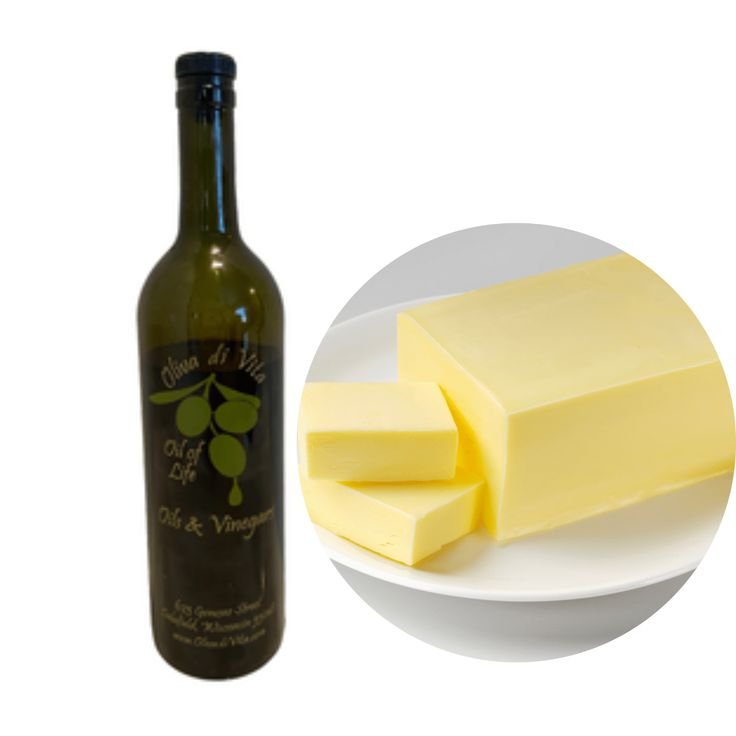
Cooking oils and fats are essential ingredients that significantly affect the taste, texture, and nutritional quality of your meals. Two of the most popular fats used worldwide are butter and olive oil. But when it comes to the question — butter or olive oil for cooking — which one is truly the best choice? This comprehensive guide will help you understand the differences between these fats, their health impacts, cooking properties, and how to select the right one for your culinary needs.
Check out, Harvard T.H. Chan School of Public Health – Olive Oil
Nutritional Profiles: Butter vs Olive Oil
Butter is a dairy product made from churned cream and contains approximately 80% fat, mostly saturated fat, along with some cholesterol and trace amounts of vitamins A, D, E, and K. Olive oil, especially extra virgin olive oil, is primarily composed of heart-healthy monounsaturated fats and contains powerful antioxidants like polyphenols.
The saturated fats in butter have long been linked to heart disease, but recent research suggests that moderate consumption may not be as harmful as once believed. Conversely, olive oil has been a staple of the Mediterranean diet for centuries and is credited with promoting heart health and reducing inflammation.
Health Benefits of Butter and Olive Oil
When weighing butter or olive oil for cooking, health benefits play a crucial role. Olive oil’s monounsaturated fats help lower LDL (bad cholesterol) and raise HDL (good cholesterol), reducing the risk of heart disease. Its antioxidants also protect cells from oxidative stress.
Butter, while higher in saturated fats, contains beneficial compounds like conjugated linoleic acid (CLA), which some studies suggest may support weight management and reduce inflammation. However, excessive butter intake may increase cholesterol levels in susceptible individuals.
Cooking Properties: Smoke Points and Flavor Profiles
One of the most important factors in choosing cooking fats is their smoke point — the temperature at which they begin to break down and produce harmful compounds. Butter has a relatively low smoke point of about 350°F (177°C), making it ideal for low to medium-heat cooking like sautéing and baking. Olive oil’s smoke point varies by type: extra virgin olive oil is around 375-410°F (190-210°C), while refined olive oil can handle higher temperatures up to 465°F (240°C).
Both butter and olive oil add unique flavors. Butter imparts a rich, creamy taste ideal for baking, sauces, and finishing dishes. Olive oil offers a fruity, sometimes peppery note, perfect for dressings, roasting, and Mediterranean recipes.
Which Is Better for Different Cooking Methods?
Sautéing and Pan-Frying
For sautéing vegetables or pan-frying meats, olive oil, particularly refined olive oil, is often preferred due to its higher smoke point and health benefits. However, butter can be combined with olive oil for flavor and stability, a technique popular in French cooking.
Baking
Butter remains the go-to fat for baking because it provides tenderness, flakiness, and flavor in baked goods. Olive oil can be used in some baked recipes, especially in Mediterranean-inspired breads and cakes, but it will alter the texture and taste.
Roasting and Grilling
Olive oil is excellent for roasting vegetables or grilling, thanks to its robust flavor and ability to withstand moderate heat. Butter can be used as a finishing touch after cooking to add richness.
Environmental Impact: Sustainability Matters
When choosing between butter or olive oil for cooking, sustainability is another consideration. Olive oil production generally has a smaller carbon footprint compared to dairy farming required for butter. Olive trees also help prevent soil erosion and support biodiversity.
Conversely, dairy production contributes significantly to greenhouse gas emissions, water use, and land requirements. For eco-conscious consumers, olive oil tends to be the more sustainable option.
Expert Opinions: What Do Nutritionists Say?
Leading nutritionists generally recommend olive oil as the healthier cooking fat due to its heart benefits and antioxidant properties. Registered dietitian nutritionist Lisa Young says, “Extra virgin olive oil is a great choice for everyday cooking and salad dressings because it provides healthy fats and rich flavor.”
That said, many experts agree that using butter in moderation can fit into a balanced diet. The key is portion control and using the right fat for the right cooking method.
Practical Tips for Using Butter and Olive Oil in Your Kitchen
- Mix fats: Combine butter and olive oil when cooking to get flavor and higher heat tolerance.
- Store properly: Keep olive oil in a cool, dark place to preserve freshness. Refrigerate butter but allow it to soften before use.
- Use extra virgin olive oil for cold dishes and dressings to maximize health benefits.
- Choose unsalted butter for baking to control salt content.
- Be mindful of smoke points to avoid harmful compounds during high-heat cooking.
Call to Action: Choose Smart, Cook Healthy
Deciding between butter or olive oil for cooking depends on your health goals, cooking method, and flavor preferences. For heart-healthy meals, olive oil is generally the better option. For baking and rich flavors, butter shines. The best approach is to use both wisely and in moderation.
Start experimenting today by incorporating more olive oil in your everyday cooking while reserving butter for special recipes. Your heart, taste buds, and environment will thank you!
READ MORE: Assam 24-Million-Year-Old Leaf Fossil: A Stunning Discovery in Plant Evolution

