





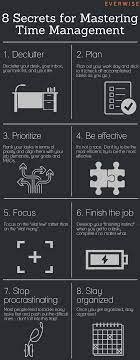
Time is a valuable resource that often seems to slip away faster than we can grasp it. In today’s fast-paced world, effective time management has become crucial for individuals seeking to maximize their productivity. By implementing well-defined strategies, one can gain control over their time and accomplish more in both personal and professional domains. In this article, we will explore several proven time management techniques that can significantly enhance productivity.
- Prioritize Tasks: One of the fundamental aspects of effective time management is setting priorities. Start by creating a to-do list and ranking tasks based on their importance and urgency. This helps in focusing on essential activities and prevents wasting time on non-essential ones.
- Utilize Time Blocking: Time blocking involves scheduling specific blocks of time for different activities or tasks. Allocate dedicated time slots for focused work, meetings, breaks, and personal commitments. By adhering to a structured timetable, distractions are minimized, and productivity is heightened.
- Eliminate Procrastination: Procrastination can be a major hurdle in achieving productivity. Combat it by breaking down tasks into smaller, manageable chunks and setting deadlines for each. By taking consistent action and avoiding unnecessary delays, you can overcome the temptation to procrastinate and make steady progress.
- Set Realistic Goals: Establishing clear and achievable goals is vital for effective time management. Define SMART goals—Specific, Measurable, Attainable, Relevant, and Time-bound—for each task or project. This provides a sense of direction and motivates individuals to stay focused and work efficiently.
- Practice the 80/20 Rule: The Pareto Principle, commonly known as the 80/20 rule, states that 80% of outcomes come from 20% of efforts. Identify the key tasks or activities that contribute the most to your desired outcomes and prioritize them. This principle encourages individuals to focus on high-impact activities, leading to increased productivity.
- Minimize Multitasking: Contrary to popular belief, multitasking often leads to decreased productivity and increased errors. Instead, embrace single-tasking by focusing on one task at a time. By devoting full attention to each activity, you can complete them more efficiently and with higher quality.
- Delegate and Outsource: Effective time management involves recognizing when to delegate tasks or outsource them to others. Identify responsibilities that can be handled by colleagues, subordinates, or external professionals. Delegating tasks not only frees up time but also allows individuals to concentrate on their core strengths and responsibilities.
- Take Regular Breaks: Working non-stop can result in burnout and diminished productivity. To maintain optimal focus and energy levels, incorporate regular breaks into your schedule. Short breaks can help refresh your mind, improve creativity, and prevent mental fatigue.
- Limit Distractions: Distractions, such as social media, email notifications, or excessive noise, can severely hinder productivity. Minimize interruptions by turning off notifications, designating specific times to check emails or messages, and creating a distraction-free work environment.
- Learn to Say No: Overcommitting can lead to a chaotic schedule and compromised productivity. Practice setting boundaries and politely decline requests or tasks that do not align with your priorities or values. By selectively saying no, you can safeguard your time and focus on what truly matters.
Mastering time management is essential for maximizing productivity. By employing effective strategies such as prioritizing tasks, utilizing time blocking, eliminating procrastination, setting realistic goals, and minimizing distractions, individuals can reclaim control over their time. With consistent practice and commitment, increased productivity and success in various aspects of life become achievable goals.