

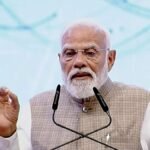






Indian Prime Minister Narendra Modi emphasized India’s commitment to strengthening its presence in the Indo-Pacific region during a summit with leaders from 14 Pacific island nations. In what was seen as a veiled reference to China, Modi stated that countries that were considered trustworthy were not standing by the region in times of need. He reiterated India’s willingness to share its capabilities and experiences with the Pacific island nations and assured them of India’s support in every way.
Addressing the adverse impact of the Covid-19 pandemic and other global developments, Modi expressed India’s solidarity with the Pacific island nations during challenging times. He emphasized that India respects their priorities and values and stated that India’s approach to cooperation is based on human values. Without explicitly naming any country, he alluded to the fact that some nations previously deemed trustworthy had not provided the expected support.
The summit, known as the Forum for India-Pacific Islands Cooperation (FIPIC), served as a platform for India to strengthen its engagement with the Pacific island nations. The discussions centered around fostering greater cooperation in areas such as trade, investment, climate change, sustainable development, and maritime security.
India’s growing interest in the Indo-Pacific region can be attributed to its strategic significance. The Indo-Pacific has emerged as a key geopolitical and economic theater, with major powers vying for influence. India, being a major regional power, seeks to enhance its presence in the region and forge stronger partnerships with countries that share similar values and interests.
China’s expanding footprint in the Indo-Pacific has raised concerns among several nations, including India. Beijing’s assertive actions in the South China Sea, its Belt and Road Initiative (BRI), and its growing military capabilities have drawn attention and prompted countries like India to counterbalance China’s influence.
India has been actively pursuing its “Act East” policy, which aims to strengthen ties with Southeast Asian and Pacific nations. This policy, coupled with initiatives such as the Indo-Pacific Oceans Initiative and the Quad, demonstrates India’s commitment to maintaining a rules-based international order and promoting regional stability and prosperity.
During the FIPIC summit, Prime Minister Modi highlighted India’s vision of a free, open, inclusive, and rules-based Indo-Pacific region. This vision aligns with the interests of the Pacific island nations, as they seek to enhance connectivity, promote sustainable development, and ensure a peaceful and secure environment.
By showcasing India as a reliable partner, Modi aimed to bolster India’s engagement with the Pacific island nations. India’s willingness to share its capabilities and experiences, along with its commitment to respecting the priorities and values of its partners, sets a positive tone for future collaboration. The summit served as a platform for dialogue and cooperation, allowing India and the Pacific island nations to explore avenues for mutual growth and prosperity.
As India expands its footprint in the Indo-Pacific, it is likely to face challenges and competition from other major powers, including China. However, by emphasizing reliability, trust, and shared values, India seeks to build enduring partnerships that contribute to a stable and prosperous Indo-Pacific region. The FIPIC summit represents a step forward in India’s efforts to strengthen its ties with the Pacific island nations and solidify its presence in the strategically important Indo-Pacific theater.

