





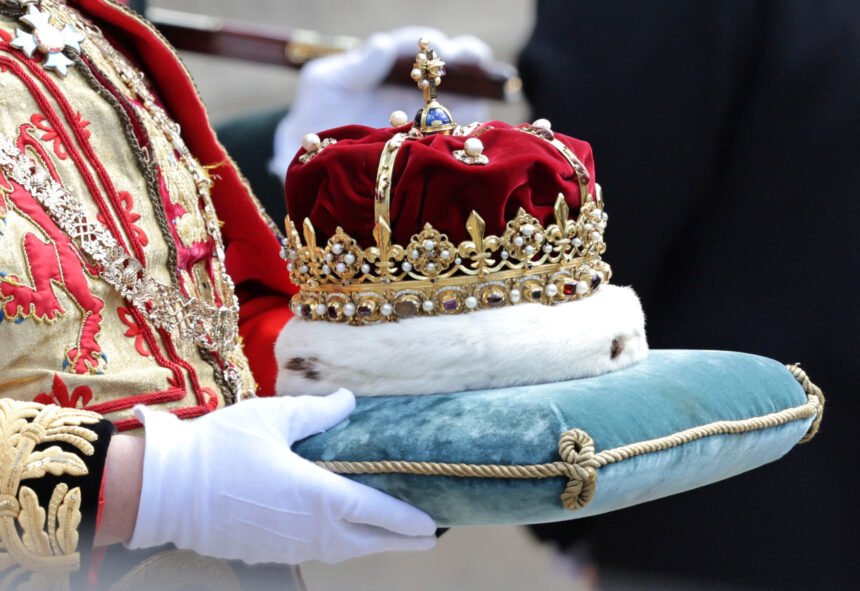
In a momentous event held in Edinburgh, King Charles III and Queen Camilla were presented with the crown jewels of Scotland, marking the coronation of a new monarch. The ceremony, which took place at St. Giles Cathedral, echoed the multi-faith format observed during the coronation at Westminster Abbey earlier in May. This significant occasion symbolizes the monarch’s deep connection with the devolved region.
The National Service of Thanksgiving and Dedication commenced with a Christian ceremony, but it also incorporated representatives from diverse faiths. A Hindu priest, a Muslim Imam, a Jewish Rabbi, and a Buddhist monk participated in the segment titled “blessings and greetings from representatives of faith and belief communities.” This inclusive approach emphasized the importance of unity and respect for different religious traditions.
Dr. Srihari Vallabhajousula, the Honorary Priest of the Hindu Temple of Scotland in Glasgow, delivered a heartfelt message during the ceremony. He invoked the blessings of Goddess Sri Lakshmi and God Sri Venkateswara, wishing for purity and unity of thoughts, words, and deeds to guide and uplift both the royal family and the people of the United Kingdom and the Commonwealth.
The presentation of the crown jewels of Scotland to King Charles III and Queen Camilla signifies the continuation of a longstanding tradition. These jewels carry great historical and cultural significance, representing the heritage and sovereignty of Scotland. The event itself serves as a powerful reminder of the enduring ties between the British monarchy and Scotland, acknowledging the country’s distinct identity within the United Kingdom.
Edinburgh, the chosen location for this historic ceremony, holds a special place in the hearts of the Scottish people. As the country’s capital, it is steeped in history and has witnessed numerous royal events throughout the centuries. St. Giles Cathedral, a magnificent place of worship, provided a fitting backdrop for the service, underscoring the monarch’s connection to the devolved region and its people.
The inclusion of representatives from different faiths reflects the diversity and multicultural nature of modern-day Britain. It highlights the importance of fostering harmony and understanding among various religious communities. By incorporating blessings and greetings from Hindu, Muslim, Jewish, and Buddhist perspectives, the ceremony promotes interfaith dialogue and mutual respect, embracing the rich tapestry of beliefs that exist within the country.
The reading by Dr. Srihari Vallabhajousula encapsulated the spirit of unity and goodwill that pervaded the ceremony. His invocation for the royal family to serve and uplift the people of the United Kingdom and the Commonwealth resonated with the hopes and aspirations of many. It encapsulated the desire for compassionate and dedicated leadership, guided by principles of purity and unity.
The coronation of King Charles III and Queen Camilla represents a pivotal moment in the history of the British monarchy. As they ascend to the throne, they embark on a new chapter, carrying forward the legacy of their predecessors while forging their own path. The presentation of the crown jewels of Scotland, steeped in tradition and symbolism, serves as a poignant reminder of the weight of responsibility placed upon their shoulders.
As the world observes this historic event, it recognizes the importance of continuity and adaptation in a changing world. The multi-faith format of the ceremony acknowledges the diverse and inclusive society that Britain has become. It is a testament to the strength and resilience of the monarchy, adapting to the evolving needs and expectations of its people.
The presentation of the crown jewels of Scotland to King Charles III and Queen Camilla in Edinburgh’s historic ceremony marks a momentous occasion. The inclusion of representatives from different faiths underscores the importance of unity and respect for diverse religious traditions.