

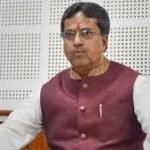




Former Karnataka Chief Minister H D Kumaraswamy admitted that the Congress party’s five “guarantees” played a significant role in attracting voters during the Assembly elections held on May 10. In contrast, his own party, the Janata Dal (Secular), failed to garner the same level of support with their “Pancharatna” program.
Kumaraswamy recognized the influence of the Congress’ promises, stating that they managed to lure people with their proposed schemes. He conceded that the Janata Dal (Secular) had not been as successful in capturing the electorate’s attention with their competing agenda.
During discussions about the demand for community-specific representation in the chief minister’s position, Kumaraswamy emphasized the importance of a leader who prioritizes the welfare and progress of all 6.5 crore people in the state. He expressed his belief that a chief minister should not be confined to representing only one community but should strive to uplift the lives of every citizen.
Furthermore, Kumaraswamy expressed curiosity about how the Congress party planned to implement their proposed schemes and the conditions associated with availing the benefits. He conveyed a desire to observe the practical execution of these initiatives, highlighting the significance of effective implementation in bringing about positive change.
While the Janata Dal (Secular) campaigned on their Pancharatna program, which presumably offered a comprehensive set of policies to address various issues, it appears that the Congress party’s guarantees resonated more effectively with the voters. The specifics of the Congress’ guarantees and the impact they had on the election results were not explicitly mentioned in the provided information.
Kumaraswamy’s acknowledgment of the Congress’ success in enticing voters with their guarantees and his emphasis on the importance of a chief minister representing all sections of society reflect the complexities of electoral politics. It underscores the need for political parties to connect with the aspirations and concerns of the electorate to secure their support.
As the political landscape evolves and parties vie for power, the ability to communicate and deliver on promises remains crucial. The implementation of policies and programs that address the diverse needs of the people is essential for building trust and securing public support.
The outcome of the Karnataka Assembly elections serves as a reminder that election campaigns must effectively communicate policy proposals and resonate with the concerns of the voters. While the Janata Dal (Secular) had their own vision for the state, it was the Congress’ guarantees that captivated the electorate, ultimately influencing the election results.
The remarks made by Kumaraswamy provide insights into the dynamics of the recent elections and highlight the challenges faced by political parties in capturing the attention and support of voters. The focus on inclusive governance and effective implementation of policies emerge as critical factors for electoral success.
Moving forward, it will be interesting to observe how political parties strategize and adapt their approaches to connect with the diverse electorate and address their concerns effectively. The lessons learned from the Karnataka Assembly elections could serve as valuable guidance for parties seeking to secure public support in future political contests.