







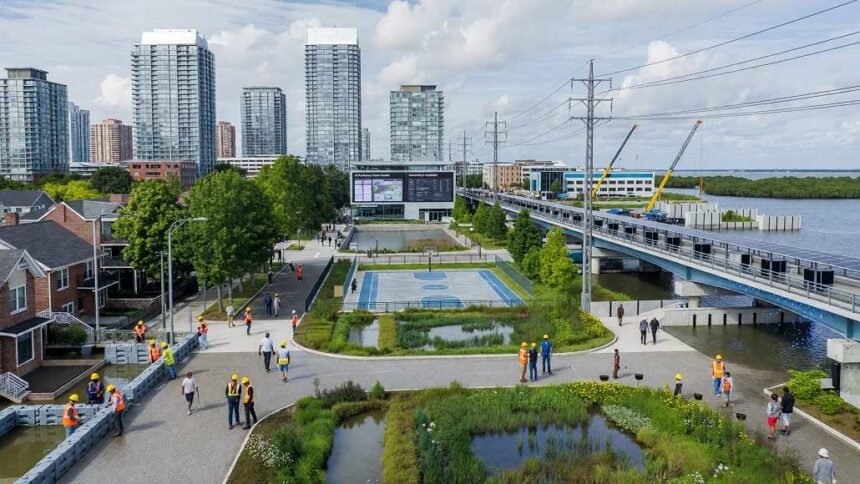
Experts have warned that Outdated Infra Data used in local infrastructure design may no longer adequately reflect modern climate shifts. The concern highlights the need to review engineering assumptions and design standards as communities face increasingly challenging weather conditions and growing demands for resilient infrastructure.
Border Mining Blame: Displaced Residents Link Unregulated Mining
Outdated Infra Data Raises Infrastructure Design Concerns
The issue of Outdated Infra Data has emerged as experts question whether engineering information currently used for local infrastructure design remains suitable under changing climate conditions.
Infrastructure design depends on reliable data about rainfall, flooding, river behavior, drainage, soil conditions, and other environmental factors. However, when historical data no longer reflects current conditions, engineers may face difficulties when determining appropriate design requirements.
Experts have warned that obsolete engineering data could weaken the ability of local infrastructure to respond effectively to modern climate shifts. Moreover, the concern becomes more significant in regions that regularly experience intense rainfall, flooding, and other weather-related challenges.
The available information does not identify specific infrastructure projects or provide details about the age of the engineering datasets in question. Therefore, conclusions about individual projects cannot be drawn from the warning alone.
Nevertheless, the broader concern points toward the importance of regularly reviewing technical information used for infrastructure planning.
Outdated Infra Data Could Affect Climate Resilience
Outdated Infra Data can become a concern when infrastructure standards rely heavily on historical patterns that may not adequately represent present-day weather conditions.
Furthermore, climate-related changes can alter the frequency, intensity, or distribution of certain weather events. Engineers therefore need reliable and updated information when designing structures intended to remain functional under difficult conditions.
Local infrastructure includes systems such as roads, bridges, drainage networks, flood-control structures, and public facilities. Each system can require different datasets and technical assumptions.
However, the information provided does not establish that existing infrastructure has failed because of outdated data. Instead, experts have warned about the potential limitations of using obsolete engineering information against modern climate shifts.
Consequently, the issue calls for careful technical evaluation rather than assumptions about specific infrastructure failures.
Updating engineering datasets could help planners better understand current environmental conditions and incorporate appropriate resilience measures into future projects.
Experts Call Attention to Modern Climate Conditions
The concern over Outdated Infra Data reflects a broader challenge for infrastructure planners: ensuring that technical standards keep pace with changing environmental conditions.
Moreover, infrastructure projects often have long operating lives. A road, bridge, drainage system, or other public facility may remain in service for decades after its original design.
Therefore, engineers need to consider both current conditions and credible future risks when developing infrastructure plans. Updated datasets can support more informed calculations and help planners evaluate whether existing design assumptions remain appropriate.
Similarly, authorities can review older engineering records against newer observations to identify potential gaps.
The available information does not specify which datasets experts believe require replacement or how much investment would be necessary to update them.
As a result, the precise scope of the proposed technical review remains unclear.
Nevertheless, the warning emphasizes that infrastructure planning cannot remain static when environmental conditions change.
Outdated Infra Data Highlights Need for Better Planning
The debate surrounding Outdated Infra Data has implications for future infrastructure investment. Modernizing technical information can provide planners with a stronger basis for assessing risks before construction begins.
Additionally, updated climate and environmental data can help authorities evaluate whether existing infrastructure requires upgrades or redesign. This approach may become particularly relevant in areas vulnerable to flooding and intense rainfall.
Experts’ concerns also highlight the importance of cooperation between engineers, climate scientists, meteorologists, and government agencies. Furthermore, combining technical expertise with updated environmental observations can improve infrastructure planning.
However, data modernization alone cannot guarantee that infrastructure will withstand every extreme weather event. Design decisions also depend on construction quality, maintenance, local geography, funding, and other technical factors.
Therefore, updating engineering information should form part of a broader infrastructure-resilience strategy rather than serve as a standalone solution.
A systematic review of engineering data could nevertheless help authorities identify where existing planning assumptions need revision.
Conclusion
The warning over Outdated Infra Data highlights concerns about engineering information used for local infrastructure design in the face of modern climate shifts. Experts argue that older datasets may not fully capture the environmental conditions that infrastructure planners now need to consider.
Furthermore, reliable technical data plays an important role in designing roads, drainage systems, bridges, and other public infrastructure. Reviewing historical information against current observations can help planners identify potential gaps and improve future design decisions.
Overall, the Outdated Infra Data concern underscores the importance of keeping engineering standards and environmental datasets aligned with changing conditions. While the available information does not identify specific infrastructure failures, the experts’ warning points to the need for continued technical review and stronger climate-resilience planning.
FAQs
1. What does Outdated Infra Data mean?
Outdated Infra Data refers to older engineering and environmental information that may no longer adequately represent current conditions used for infrastructure planning and design.
2. Why are experts concerned about outdated engineering data?
Experts are concerned that older data may not accurately reflect modern climate conditions, potentially affecting how engineers assess risks and design infrastructure.
3. Which types of infrastructure could require updated data?
Roads, bridges, drainage systems, flood-control structures, and other public infrastructure can rely on environmental and engineering datasets during their design and planning.
4. Does outdated data mean existing infrastructure will fail?
No. The warning does not establish that specific infrastructure will fail. It highlights concerns about whether older engineering information remains appropriate for modern conditions.
5. How can authorities address the Outdated Infra Data issue?
Authorities can review historical engineering datasets, compare them with current observations, and update technical standards where evidence indicates that existing assumptions no longer remain suitable.