

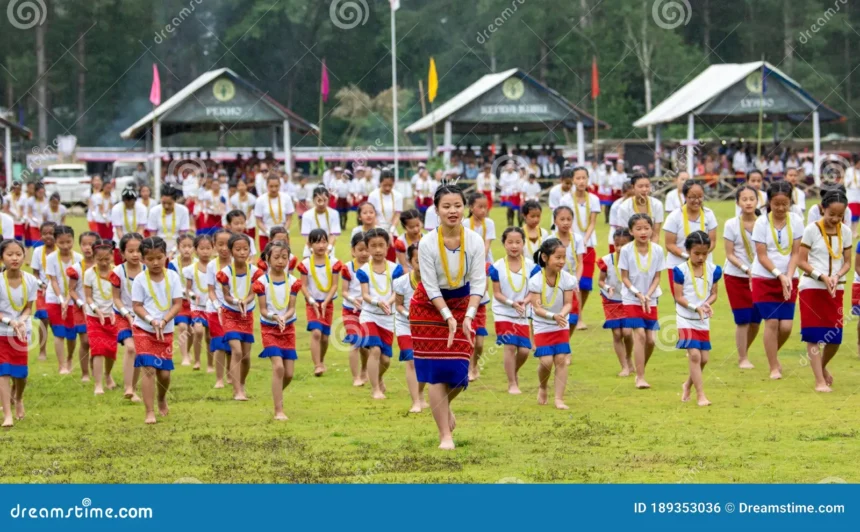
The Apatani Dree Festival was celebrated with great enthusiasm by the Apatani tribe in Arunachal Pradesh as communities gathered to offer traditional harvest prayers for prosperity, agricultural abundance, and communal well-being. Moreover, the annual festival showcased the rich cultural heritage of the Apatani people through age-old rituals, traditional performances, and community participation. Consequently, the celebration reaffirmed the importance of preserving indigenous customs while strengthening social harmony across the region.
Himanta Biswa Sarma Chairs 14th AUIDFCL Board Meeting on Urban Infrastructure
Village Banishment Order Issued in Connection With NSF Vandalism Row
Apatani Dree Festival Marks the Agricultural Season
The Apatani Dree Festival is one of the most significant annual celebrations of the Apatani tribe, symbolizing gratitude for nature and prayers for a successful agricultural season. Furthermore, community members gathered to perform traditional rituals seeking blessings for healthy crops, favorable weather, and prosperity.
The festival reflects the close relationship between the Apatani community and agriculture, which remains central to their cultural identity. Consequently, families participate in ceremonies that have been preserved across generations.
Moreover, elders lead traditional harvest prayers while encouraging younger generations to preserve indigenous customs. Therefore, the festival serves as both a religious and cultural occasion.
Additionally, villagers participate collectively in celebrations that strengthen community bonds. Thus, the event continues to play an important role in Apatani society.
Traditional Rituals and Cultural Performances Highlight the Celebration
The Apatani Dree Festival features a variety of traditional rituals, folk songs, dances, and cultural performances that showcase the unique heritage of the Apatani tribe. Furthermore, participants wear traditional attire and gather for ceremonial events reflecting their longstanding customs.
Cultural festivals provide opportunities for communities to preserve and promote indigenous traditions. Consequently, the Dree Festival remains one of Arunachal Pradesh’s most recognized cultural events.
Moreover, performances during the festival celebrate the tribe’s history, beliefs, and agricultural traditions. Therefore, the event attracts attention from cultural enthusiasts and visitors alike.
Similarly, community feasts and social gatherings encourage unity among participants. Additionally, traditional music and dance help preserve the tribe’s rich artistic heritage.
Festival Promotes Cultural Preservation and Community Unity
The Apatani Dree Festival plays a vital role in preserving the customs, language, and cultural identity of the Apatani people. Furthermore, the annual celebration encourages younger generations to remain connected with their traditional heritage.
Cultural festivals strengthen community participation by bringing together families, elders, and youth. Consequently, the celebration reinforces shared values and collective identity.
Moreover, preserving indigenous traditions contributes to the cultural diversity of Arunachal Pradesh. Therefore, events like the Dree Festival remain important for safeguarding intangible cultural heritage.
Similarly, cultural education during the festival encourages appreciation of traditional knowledge. Additionally, the celebration promotes respect for nature and sustainable agricultural practices.
Dree Festival Reflects Arunachal Pradesh’s Cultural Diversity
The Apatani Dree Festival highlights the rich tribal heritage that makes Arunachal Pradesh one of India’s most culturally diverse states. Furthermore, the celebration demonstrates the enduring significance of indigenous festivals in contemporary society.
Traditional festivals continue to support cultural tourism and public awareness of tribal heritage. Consequently, they contribute to preserving unique customs while fostering intercultural understanding.
Moreover, government agencies and local communities often support initiatives aimed at protecting indigenous cultural traditions. Therefore, annual celebrations remain important platforms for cultural exchange.
Similarly, continued documentation and promotion of tribal festivals strengthen cultural preservation efforts. Additionally, the Dree Festival serves as a reminder of the enduring connection between community, agriculture, and tradition.
Conclusion
The Apatani Dree Festival once again brought together the Apatani tribe of Arunachal Pradesh to celebrate their annual agricultural festival with traditional harvest prayers, cultural performances, and community participation. Moreover, the festival reflected the tribe’s deep respect for nature, agriculture, and ancestral customs.
Furthermore, the celebration reinforced the importance of preserving indigenous traditions while promoting cultural unity and intergenerational learning. Consequently, the festival continues to remain a defining symbol of the Apatani community’s rich heritage.
Looking ahead, sustained efforts to preserve tribal customs, encourage youth participation, and promote cultural awareness will ensure that the Apatani Dree Festival continues to flourish for future generations.
FAQs
1. What is the Apatani Dree Festival?
The Apatani Dree Festival is the annual agricultural festival of the Apatani tribe in Arunachal Pradesh, celebrated with harvest prayers and traditional cultural events.
2. Why is the Dree Festival celebrated?
The festival is observed to pray for a successful harvest, good weather, prosperity, and the well-being of the community.
3. Who celebrates the Dree Festival?
The festival is celebrated primarily by the Apatani tribe, especially in the Ziro Valley of Arunachal Pradesh.
4. What activities take place during the festival?
Traditional prayers, cultural rituals, folk dances, music performances, community feasts, and ceremonial gatherings are key highlights of the celebration.
5. Why is the Apatani Dree Festival significant?
It preserves the Apatani tribe’s cultural heritage, promotes community unity, and celebrates the strong relationship between agriculture, tradition, and indigenous identity.