




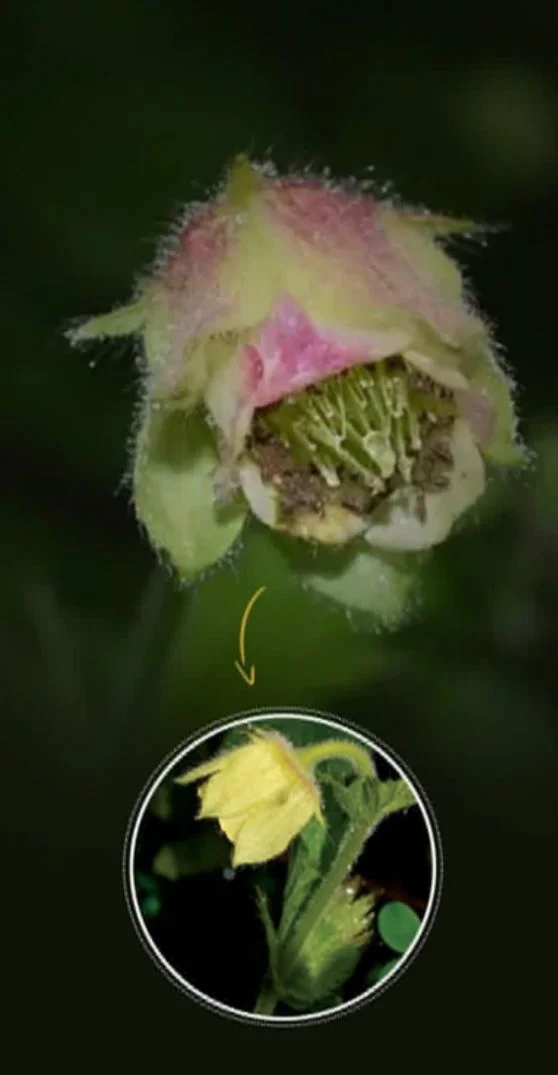
Researchers from the Botanical Survey of India have rediscovered the rare alpine plant Geum macrosepalum in Arunachal Pradesh nearly 120 years after its last official record in India. Scientists located the vulnerable species during a high-altitude biodiversity survey near Sela Pass in western Arunachal Pradesh. The discovery highlights the ecological importance of the eastern Himalaya and raises fresh attention toward conservation efforts in fragile alpine ecosystems. Researchers published the findings in the international journal Phytotaxa. Officials and conservationists have welcomed the rediscovery as a major scientific achievement for Northeast India.
Read More: Meghalaya MTET 2026 Postponed Due to Teachers’ Census Duties
Key Facts
- Species Rediscovered: Geum macrosepalum
- Location: Sela Pass, western Arunachal Pradesh
- Rediscovered By: Researchers from Botanical Survey of India
- Last Official Record in India: 1905 in Sikkim
- Altitude: Around 4,200 metres
- Conservation Status: Vulnerable
- Research Focus: Climate change impact on Himalayan plant diversity
- Published In: Phytotaxa
Rare Alpine Plant Found Again in Arunachal Pradesh
Scientists have rediscovered Geum macrosepalum, a rare alpine flowering plant, in the high-altitude regions of Arunachal Pradesh after nearly 120 years. Researchers discovered the species during an extensive botanical survey near Sela Pass.
The research team included botanists Subhajit Lahiri, Monalisa Das, and Sudhansu Sekhar Dash from the Botanical Survey of India. They recorded the plant in alpine meadows located between Tawang and West Kameng districts at an elevation of about 4,200 metres.
Moreover, the scientists conducted the survey as part of a larger study on climate change and its effects on floristic diversity and plant migration in the eastern Himalayan region.
Plant Last Recorded in India in 1905
Researchers said botanists last officially recorded Geum macrosepalum in India in 1905 from Sikkim. Since then, scientists documented only a few historical sightings of the species.
The plant belongs to the rose family and produces pale yellow to ivory-yellow flowers with reddish shades. In addition, its drooping flowers help the species survive extreme alpine weather conditions.
Scientists found the plant growing in marshy alpine meadows, which remain among the least explored habitats in the Indian Himalayan region.
Scientists Warn About Ecological Pressure
Researchers classified the species as “vulnerable” in India using International Union for Conservation of Nature (IUCN) guidelines. They cited habitat disturbance, ecological pressure, and limited distribution as major threats to the plant’s survival.
Furthermore, scientists stressed the need for stronger conservation measures and detailed floristic surveys across remote Himalayan regions. They believe several rare and endemic species may still remain undocumented because of difficult terrain and harsh weather conditions.
The rediscovery also highlights the importance of long-term monitoring of biodiversity in fragile mountain ecosystems.
Arunachal Pradesh Emerging as Biodiversity Hub
Arunachal Pradesh lies within the eastern Himalaya biodiversity hotspot, one of the world’s richest ecological regions. The state supports hundreds of rare plant and animal species, many of which are endemic to the Himalayas.
In recent years, researchers have reported several new orchids, begonias, and alpine herbs from remote mountain areas of Arunachal Pradesh. Therefore, scientists now consider the state a key centre for botanical exploration in Northeast India.
Deputy Chief Minister Chowna Mein praised the discovery and called it proof of Arunachal Pradesh’s ecological richness.
He said the rediscovery of Geum macrosepalum marks an important moment for Himalayan biodiversity research and conservation.
Question and Answer Section
What is Geum macrosepalum?
Geum macrosepalum is a rare alpine flowering plant belonging to the rose family.
Where did scientists rediscover the plant?
Researchers found the species near Sela Pass in western Arunachal Pradesh.
When did scientists last officially record the plant in India?
Scientists last officially recorded the species in 1905 in Sikkim.
Why is the rediscovery important?
The discovery highlights the rich biodiversity of the eastern Himalaya and supports conservation research in fragile ecosystems.
Who conducted the research?
Researchers from the Botanical Survey of India conducted the survey and documented the species.
Also Read: Meghalaya CM Lays Foundation Stone for Mini Stadium in North Garo Hills – Borok Times