





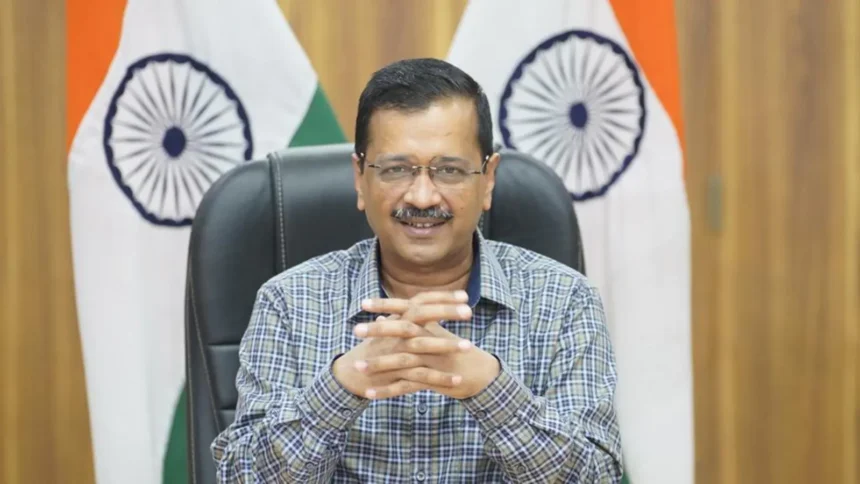
Delhi Chief Minister Arvind Kejriwal has taken a significant step towards improving the city’s sewer system by directing officials to ensure the desilting of the entire network. In a statement issued on Wednesday, Kejriwal emphasized the need to clean at least 20 percent of the sewer lines every year, with the aim of completing the cleaning of the entire 9,000-kilometer-long network within a span of five years.
This initiative is a first-of-its-kind effort by any government to comprehensively desilt and clean the sewer system of Delhi. Kejriwal expressed his commitment to making this a regular exercise, indicating that it will not be a one-time effort but an ongoing process to maintain the cleanliness and efficiency of the system.
One of the key benefits of desilting the sewer system is its positive impact on the cleaning of the Yamuna River. Kejriwal highlighted that this initiative will have a “radical” effect on the cause of Yamuna cleaning. The Yamuna, a major river in northern India, has been facing severe pollution issues due to the discharge of untreated sewage and industrial waste. By effectively desilting the sewer system, the capacity of the network to carry wastewater will increase, reducing the chances of overflow and subsequent contamination of the river.
The directive from the Chief Minister comes as a significant move towards addressing the long-standing problem of inadequate sewer infrastructure in Delhi. The city’s sewer system has been grappling with challenges such as clogging, blockages, and insufficient capacity, leading to frequent incidents of sewage overflow and related environmental hazards. Kejriwal’s proactive approach aims to tackle these issues head-on and bring about lasting improvements.
The desilting process involves the removal of accumulated silt, debris, and other solid materials from the sewer lines. By undertaking this task systematically and annually cleaning a significant portion of the network, the government plans to ensure that the entire system is thoroughly cleaned within the stipulated five-year timeframe. This approach will not only improve the operational efficiency of the sewer system but also prevent potential blockages and minimize the risk of sewage overflow.
To achieve this ambitious goal, the Chief Minister has directed officials to mobilize the necessary resources, including manpower and equipment, to carry out the desilting operation effectively. Regular monitoring and evaluation of the progress will be conducted to ensure that the set targets are met within the specified timeline.
The initiative to desilt and clean Delhi’s sewer system is expected to have a far-reaching impact on the overall cleanliness and environmental health of the city. By maintaining a clean and efficient sewer network, the government aims to enhance the quality of life for residents and reduce the incidence of waterborne diseases caused by sewage contamination.
Furthermore, this effort aligns with the larger objective of improving the condition of the Yamuna River. The river, considered sacred in Indian culture, has been subjected to severe pollution, affecting the ecosystem and public health. By addressing the root cause of pollution through comprehensive sewer system cleaning, the government aims to contribute to the restoration and rejuvenation of the Yamuna.
The initiative led by Arvind Kejriwal sets a precedent for other governments to prioritize the maintenance and cleaning of their sewer systems. By making this a regular exercise, it ensures that the cleanliness and efficiency of the network are sustained in the long term. This approach demonstrates a proactive and dedicated approach to infrastructure development and environmental preservation.
As the desilting and cleaning of Delhi’s sewer system progresses, the city can look forward to a cleaner, healthier, and more sustainable future. The initiative not only addresses the immediate challenges but also paves the way for better urban planning and resource management in the years to come