





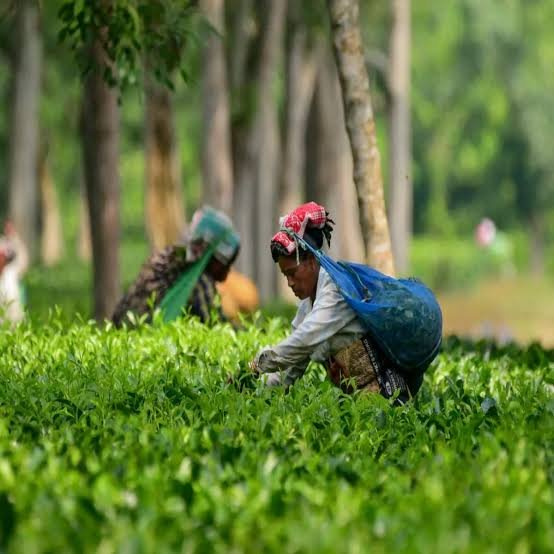
The Assam Tea Logistics sector has faced challenges after heavy rains caused a 15% delay in transporting tea leaves from Upper Assam tea estates. According to the available information, adverse weather conditions affected movement schedules and created difficulties for tea producers managing supply chains during the rainy period.
The Assam Tea Logistics disruption has impacted transportation activities from several tea-growing areas in Upper Assam. According to the available information, heavy rainfall slowed the movement of freshly harvested tea leaves, resulting in a reported 15% logistical delay.
The tea industry depends on efficient transportation systems to move harvested leaves quickly from estates to processing facilities. Moreover, delays in transportation can affect production timelines and operational planning for tea growers.
The latest development highlights the vulnerability of agricultural supply chains during extreme weather conditions. Therefore, maintaining reliable logistics networks remains important for protecting Assam’s tea sector.
The situation also reflects the broader impact of rainfall-related disruptions on regional industries. Additionally, improved transport planning can help reduce challenges during periods of heavy precipitation.
Assam Tea Logistics Faces Transport Challenges Due to Heavy Rainfall
The Assam Tea Logistics network experienced delays after heavy rains affected transportation routes connecting Upper Assam tea estates. According to the available information, the movement of tea leaves slowed by around 15% due to weather-related difficulties.
Moreover, freshly harvested tea leaves require timely transportation to maintain quality and support smooth processing operations. Consequently, delays in movement can create pressure on tea producers and processing units.
Upper Assam remains one of the country’s major tea-producing regions, with numerous estates depending on efficient logistics systems. Furthermore, weather disruptions can influence the supply chain from harvesting to processing stages.
The available information confirms that heavy rains caused a 15% logistical delay in tea leaf transportation. However, authorities and industry bodies have not released details regarding specific affected routes, duration of delays, or estimated financial impact.
Tea Industry Monitors Assam Tea Logistics During Weather Disruptions
The Assam Tea Logistics situation has prompted attention toward transportation management during challenging weather conditions. Tea producers and logistics operators continue monitoring movement schedules to manage supply chain disruptions.
Additionally, regular coordination between tea estates, transport providers, and processing facilities helps reduce the impact of unexpected delays. This approach supports smoother operations during periods of heavy rainfall.
Weather-related transportation challenges are common in regions dependent on seasonal agricultural production. Meanwhile, industry stakeholders continue adapting logistics plans to maintain steady tea movement.
The available information does not mention any major production losses or long-term supply interruptions. Therefore, the current update focuses on the temporary transportation delays affecting tea leaves from Upper Assam estates.
The industry continues monitoring conditions as rainfall patterns change.
Assam Tea Logistics Highlights Need for Stronger Supply Chains
The Assam Tea Logistics disruption highlights the importance of developing stronger and more weather-resilient transportation systems for agricultural industries. Reliable logistics networks help ensure that harvested products reach processing centres efficiently.
Moreover, improved infrastructure, better route planning, and advanced weather monitoring can help reduce supply chain challenges. Consequently, strengthening logistics capacity remains important for supporting Assam’s tea economy.
The 15% transportation delay demonstrates how environmental conditions can influence traditional industries. Similarly, agricultural sectors require flexible strategies to manage seasonal challenges.
The tea sector contributes significantly to Assam’s economy and provides livelihoods for thousands of workers. Therefore, protecting logistics systems remains essential for maintaining industry stability.
As weather conditions improve, further updates may provide additional information regarding transportation recovery and the overall impact on tea production activities.
Conclusion
The Assam Tea Logistics sector has experienced a 15% transportation delay after heavy rains disrupted the movement of tea leaves from Upper Assam estates. The situation highlights the challenges faced by agricultural supply chains during adverse weather conditions.
Furthermore, efficient logistics management remains essential for ensuring smooth tea production and timely processing. Continued monitoring and improved transport planning can help reduce the impact of future weather-related disruptions.
Overall, the Assam Tea Logistics challenge reflects the importance of resilient infrastructure and effective supply chain management. As conditions stabilize, tea producers and transport operators are expected to work toward restoring normal movement operations.
FAQs
1. What is the latest update on Assam Tea Logistics?
The Assam Tea Logistics sector faced a 15% delay in transporting tea leaves from Upper Assam estates due to heavy rains.
2. Why were tea transportation services delayed?
Heavy rainfall affected transportation movement and created logistical challenges for tea leaf transportation.
3. Which region’s tea estates were affected?
The delays affected tea estates located in Upper Assam.
4. Did the delays affect tea production?
The available information confirms transportation delays but does not mention major production losses.
5. Why is Assam Tea Logistics important?
Efficient logistics help transport harvested tea leaves quickly to processing facilities and support the overall tea industry.