




Mizoram bamboo processing upgrades are creating new opportunities for value addition, furniture production and rural livelihoods as the state expands infrastructure for treating, seasoning and processing bamboo. A Bamboo Treatment and Seasoning Plant, along with supporting storage facilities, was established at the Sairang Horticulture Centre under the National Bamboo Mission. The initiative aims to improve the utility and durability of bamboo while supporting wider industrial development.
The development is significant for Mizoram because bamboo already supports handicrafts, furniture and other rural industries across the state. Moreover, recent national and regional initiatives are placing greater emphasis on processing bamboo closer to production areas so that farmers, artisans and small enterprises can capture more value from the resource.
Oiii Police Theatrical Release: Ravi Sarma Film
Mizoram Bamboo Processing Upgrades Expand Treatment Capacity
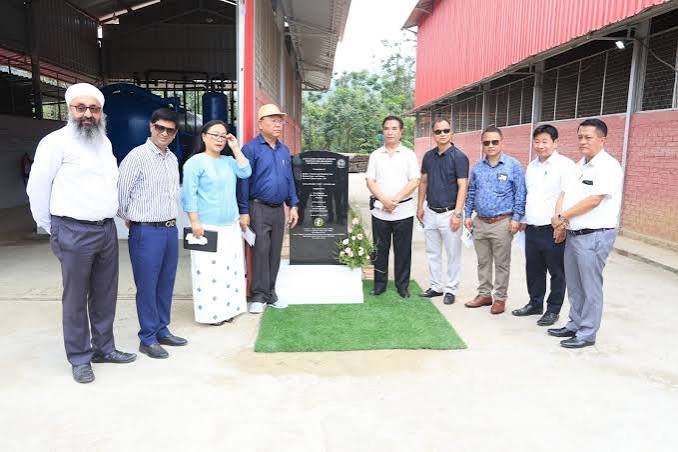
The new processing infrastructure at Sairang includes a Bamboo Treatment and Seasoning Plant, a Bamboo Depot and Godown, and an Activated Charcoal Unit. The facilities were established with funding of about ₹252.84 lakh under the National Bamboo Mission and were inaugurated in May 2025.
The treatment and seasoning facility has particular relevance for furniture manufacturing. Proper treatment can improve bamboo’s durability and expand its suitability for value-added products. Therefore, access to such infrastructure can help enterprises move beyond the sale of untreated raw bamboo.
The Bamboo Depot and Godown also provide supporting infrastructure for storage and supply. Consequently, processing units and furniture makers can potentially gain better access to prepared raw material.
The facilities form part of Mizoram’s wider effort to develop bamboo as an industrial resource rather than relying primarily on traditional uses. The state has previously identified furniture, handicrafts and other bamboo-based products as areas with potential for improved technology and value addition.
Rural Furniture Manufacturing Gets Stronger Infrastructure
Furniture manufacturing represents one of the important areas where treated bamboo can create additional economic value. Mizoram’s Economic Survey has identified several enterprises for bamboo furniture-making projects and reported support through machinery and drying chambers.
Such infrastructure can help rural manufacturers improve the consistency and quality of their products. Additionally, better processing can allow artisans to focus more on design, assembly and finishing rather than handling every stage of raw-material preparation themselves.
The state has also developed bamboo-related clusters and common facility centres. These facilities can provide shared machinery, training and other resources, which may reduce the infrastructure burden on individual small producers.
Furthermore, government investment in processing can support a broader value chain. Farmers can supply bamboo, processing facilities can prepare the material, and artisans and furniture manufacturers can convert it into finished products.
This model can create stronger connections between rural producers and markets. Therefore, bamboo processing upgrades have implications not only for industrial production but also for livelihood opportunities in rural areas.
Bamboo Value Addition Supports Wider Industrial Development
Mizoram has been working for several years to strengthen its bamboo value chain. In 2023, the state government held consultations with bamboo industry owners on developing an Integrated Bamboo Development Park and expanding value-chain initiatives. Officials highlighted the need to make better use of the state’s bamboo resources while developing a circular economy with reduced waste.
The state has also established the Bamboo Technology Park at Sairang, where bamboo processing activities take place. A recent State Focus Paper identified expansion of processing and value addition as an important intervention for improving profitability for farmers and artisans.
Moreover, the National Portal of India describes bamboo as an important livelihood resource in Mizoram and notes its use in commercial crafts and furniture production. The portal’s information, updated in September 2026, also highlights the role of the Bamboo Development Agency in supporting bamboo-related activities.
At the national level, the Asian Development Bank approved a $42.2 million financing facility in June 2026 to support bamboo industries across the Northeast. The programme covers Assam, Manipur, Meghalaya, Mizoram, Nagaland and Tripura and aims to strengthen bamboo value chains, rural livelihoods and private-sector participation.
Mizoram’s processing infrastructure can therefore benefit from a broader regional push toward commercial bamboo development.
New Processing Plants Could Strengthen Rural Livelihoods
The economic importance of bamboo extends beyond manufacturing facilities. A stronger processing chain can create opportunities for farmers, artisans, transporters, small manufacturers and other workers connected to the industry.
The state has already used cluster-based approaches to support bamboo handicrafts. The Economic Survey reported Common Facility Centres for bamboo handicraft clusters, while the State Focus Paper noted training and machinery support through cluster partnerships.
Similarly, the state has identified multiple furniture-making enterprises for support under bamboo development programmes. Machinery and drying facilities can help these businesses improve production capacity and product quality.
The new treatment infrastructure could complement these efforts by strengthening the upstream part of the production chain. Instead of sending raw material directly to individual workshops, treated and seasoned bamboo can enter a more organised manufacturing process.
However, long-term benefits will depend on effective operation, maintenance, market access and continued skill development. During the inauguration of the Sairang units, state authorities also stressed the importance of proper operation and maintenance of the facilities.
Consequently, infrastructure development needs to remain connected with training, product design, business support and reliable markets.
Regional Bamboo Industry Gains New Momentum
The development in Mizoram comes at a time when bamboo industries across Northeast India are receiving increased attention. The ADB’s 2026 financing facility specifically aims to strengthen bamboo-based agricultural productivity, rural livelihoods and private-sector value chains across the region. It also includes plans for at least one women-led manufacturing facility in each participating state.
This regional approach could provide additional opportunities for Mizoram’s bamboo enterprises. Better processing infrastructure, improved manufacturing capabilities and stronger market connections can help local producers participate in larger supply chains.
Mizoram also has a specialised Forest Research Centre for Bamboo and Rattan in Aizawl under the Indian Council of Forestry Research and Education. The centre was established to support research and socio-economic development linked to bamboo and rattan in the Northeast.
Additionally, the state has continued to explore technologies for structural and composite bamboo applications. Earlier initiatives included collaboration with CSIR-AMPRI on bamboo composite materials and proposals for a Centre of Excellence in Bamboo Applications.
Therefore, the latest processing infrastructure represents one part of a larger effort to move Mizoram’s bamboo sector toward modern processing, diversified products and stronger commercial value.
Conclusion
Mizoram bamboo processing upgrades are strengthening the infrastructure available for treating, seasoning, storing and processing bamboo. The Sairang facilities established under the National Bamboo Mission provide important support for improving bamboo quality and expanding value-added production.
For rural furniture manufacturers, improved access to treated and seasoned bamboo could support more consistent production and create opportunities for higher-value products. Meanwhile, cluster facilities, machinery support and training can help smaller producers participate in the wider value chain.
The development also fits into a broader regional push to modernise bamboo industries across Northeast India. However, sustained results will depend on effective facility management, skills, market access and continued investment.
FAQs
What are the latest Mizoram bamboo processing upgrades?
Mizoram has established bamboo processing infrastructure including a treatment and seasoning plant, depot and godown, and an activated charcoal unit at the Sairang Horticulture Centre.
How can Mizoram bamboo processing upgrades help furniture makers?
Treatment and seasoning can improve the utility and durability of bamboo, while supporting infrastructure can make processed raw material more accessible to furniture manufacturers.
Which programme supported the Sairang bamboo facilities?
The facilities were established under the National Bamboo Mission with funding of about ₹252.84 lakh.
Why is bamboo important for Mizoram’s rural economy?
Bamboo supports livelihoods through furniture, handicrafts and other value-added products. Government initiatives also aim to improve processing, market connections and rural enterprise opportunities.
Is Mizoram part of the wider Northeast bamboo development push?
Yes. The ADB approved a $42.2 million financing facility in 2026 covering six Northeast states, including Mizoram, to strengthen bamboo value chains and rural livelihoods.