

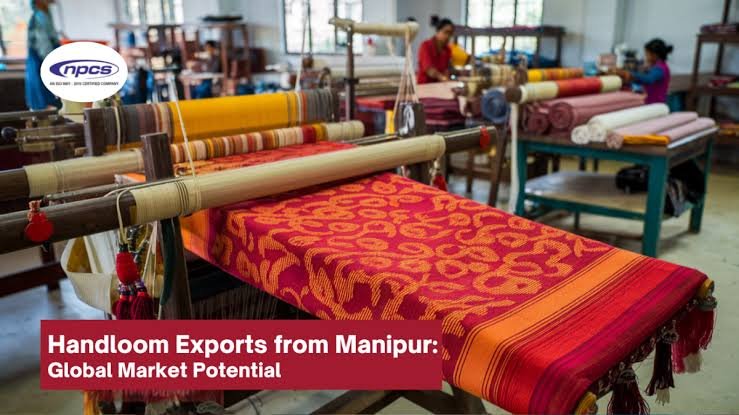
The Manipur Handloom Grant initiative has provided a significant boost to the state’s traditional weaving sector, with weavers in Bishnupur receiving subsidized solar-powered looms from the Handloom Department. According to the available information, the initiative aims to modernize handloom production, improve productivity, and promote sustainable weaving practices through the adoption of renewable energy technology.
Mizoram Youth Football Talent Hunt Launched
The Manipur Handloom Grant update reflects the government’s continued commitment to strengthening the handloom industry while supporting the livelihoods of traditional artisans. According to the available information, the subsidized solar-powered looms will help reduce dependence on conventional electricity and enable weavers to continue production with improved energy efficiency.
The handloom sector plays a vital role in Manipur’s economy and cultural heritage, providing employment to thousands of skilled artisans. Moreover, introducing solar-powered equipment can lower operating costs, improve productivity, and encourage environmentally sustainable manufacturing practices.
The latest development underscores the importance of integrating modern technology with traditional craftsmanship. Therefore, authorities continue implementing initiatives that enhance artisan welfare while preserving the state’s rich weaving traditions.
The program also demonstrates the government’s focus on promoting clean energy solutions in rural industries. Additionally, improved production capacity can help artisans access larger markets and increase household incomes.
Manipur Handloom Grant Supports Sustainable Weaving
The Manipur Handloom Grant has enabled weavers in Bishnupur to receive subsidized solar-powered looms. According to the available information, the initiative is designed to strengthen the productivity and sustainability of local handloom units.
Moreover, solar-powered looms can reduce energy expenses while allowing artisans to maintain consistent production. Consequently, weavers may benefit from improved operational efficiency and greater financial stability.
Modern equipment also supports better working conditions and can help artisans meet increasing market demand for handwoven products. Furthermore, renewable energy adoption aligns with broader efforts to encourage environmentally responsible industrial practices.
The available information confirms that subsidized solar-powered looms have been distributed to weavers. However, authorities have not disclosed the number of beneficiaries, the subsidy percentage, or the total value of the assistance provided.
Authorities Strengthen the Handloom Sector Through Modern Technology
The Manipur Handloom Grant reflects ongoing efforts to improve the competitiveness of the state’s traditional weaving industry. The Handloom Department is expected to continue supporting artisans through technology upgrades, skill development, and infrastructure improvements.
Additionally, modern weaving equipment can enhance product quality, increase production efficiency, and strengthen the market position of local handloom products. This coordinated approach supports long-term growth while preserving traditional craftsmanship.
Officials continue promoting initiatives that encourage innovation alongside cultural preservation. Meanwhile, Bishnupur’s weaving community is expected to benefit from improved production capabilities and reduced energy dependence.
The available information does not mention training programs, maintenance support, or future distribution phases associated with the initiative. Therefore, the current update focuses on the distribution of subsidized solar-powered looms.
Further official announcements may provide additional details regarding expanded support for the handloom sector.
Manipur Handloom Grant Highlights Renewable Energy and Artisan Welfare
The Manipur Handloom Grant demonstrates how renewable energy solutions can strengthen traditional industries while supporting artisan livelihoods. Solar-powered looms provide a practical combination of sustainable technology and cultural preservation.
Moreover, continued investment in modern equipment, marketing support, and skill development can improve the long-term competitiveness of Manipur’s handloom sector. Consequently, technology-driven initiatives remain important for empowering weavers and expanding market opportunities.
The distribution of solar-powered looms reflects the government’s commitment to promoting environmentally sustainable production methods. Similarly, collaboration between government agencies, artisan cooperatives, and industry stakeholders can further strengthen the handloom ecosystem.
Supporting traditional artisans remains an important priority for preserving Manipur’s cultural heritage and promoting inclusive economic development. Therefore, the Manipur Handloom Grant update reinforces the value of clean energy, technological innovation, and sustained support for local weavers.
As similar initiatives continue, future official updates may provide additional information regarding additional beneficiaries, production outcomes, and market expansion.
Conclusion
The Manipur Handloom Grant initiative has taken an important step by providing subsidized solar-powered looms to weavers in Bishnupur. The program is expected to improve productivity, reduce energy costs, and promote environmentally sustainable weaving practices.
Furthermore, continued investment in modern technology and artisan support programs will help strengthen Manipur’s handloom industry while preserving its rich textile heritage. Renewable energy solutions can also contribute to long-term economic resilience for traditional weaving communities.
Overall, the Manipur Handloom Grant update highlights the importance of empowering artisans through innovation, sustainable technology, and continued government support.
FAQs
1. What is the latest update on the Manipur Handloom Grant?
The Manipur Handloom Grant update confirms that weavers in Bishnupur have received subsidized solar-powered looms from the Handloom Department.
2. Who received the subsidized looms?
According to the available information, weavers in Bishnupur are the beneficiaries of the initiative.
3. What is the purpose of providing solar-powered looms?
The initiative aims to improve productivity, reduce energy costs, promote renewable energy use, and strengthen the handloom sector.
4. Which department implemented the initiative?
The program was implemented by the Handloom Department.
5. Have authorities announced the number of beneficiaries or subsidy details?
No. The available information does not specify the number of weavers, the subsidy amount, or the total project cost.