





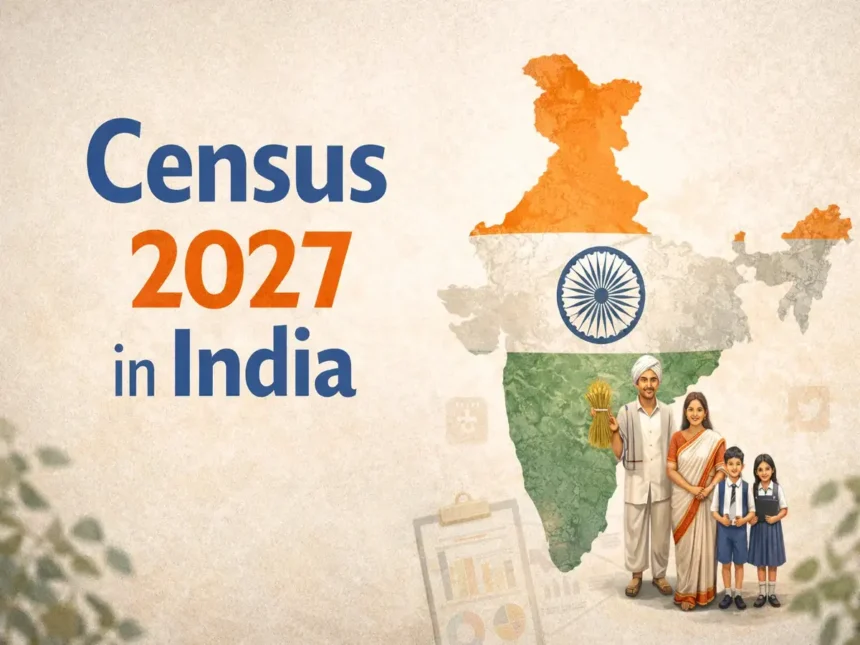
The conclusion of the online self-enumeration phase of Census 2027 on June 30 reportedly witnessed increased registration activity by urban residents seeking inclusion in their native villages across several regions. The trend has generated considerable public and political discussion due to its potential implications for future development planning, resource allocation, and constituency delimitation processes. Moreover, political observers and community leaders have highlighted concerns that demographic registration patterns could influence future administrative and political representation. Authorities, however, continue to emphasize that all census procedures must comply with established legal and administrative guidelines.
Health Minister P. Paiwang Konyak Seeks Major Healthcare Support
Online Self-Enumeration Phase Concludes Nationwide
The digital self-enumeration component of Census 2027 reached a major milestone with the conclusion of its latest registration phase on June 30. Consequently, government agencies and local administrations have begun reviewing participation patterns and registration trends.
Officials noted that the introduction of digital self-enumeration has significantly expanded public participation and accessibility. Moreover, citizens were provided with greater flexibility to complete registration procedures electronically. Therefore, the digital approach has become a key feature of the ongoing census exercise.
Furthermore, the transition toward technology-driven census operations has generated increased public engagement and administrative interest. As a result, demographic trends emerging from the registration process have attracted significant attention.
Meanwhile, authorities continue to verify and consolidate census-related information. Consequently, administrative scrutiny of registration data remains ongoing.
Increased Native Village Registrations Draw Public Attention
Reports from various regions indicate that many individuals currently residing in urban areas have chosen to register themselves in their ancestral or native villages during the self-enumeration process. Moreover, this pattern has generated debate regarding its potential demographic and administrative implications. Therefore, political and policy observers have closely monitored the development.
According to analysts, population figures collected during census operations often influence long-term planning and governance decisions. Consequently, changes in registration patterns may affect future administrative assessments and policy priorities. Such developments frequently attract public interest and political discussion.
Furthermore, community organizations and local leaders have emphasized the importance of ensuring accurate and transparent demographic reporting. As a result, discussions regarding census participation and representation have intensified.
Meanwhile, authorities continue to stress that census procedures are governed by established legal and administrative frameworks. Similarly, verification processes remain in place.
Political and Development Implications Become a Topic of Debate
Political observers have suggested that demographic trends associated with census registration may have implications for future development planning and political representation. Moreover, concerns have been raised that population figures could influence decisions related to resource allocation and constituency restructuring. Therefore, debates surrounding demographic representation have gained prominence.
Experts noted that census data historically plays an important role in shaping development policies, administrative planning, and electoral delimitation processes. Consequently, demographic changes often become a subject of political and public discussion. Such debates remain a normal feature of democratic governance.
However, officials have reiterated that any future administrative or political decisions would be subject to constitutional provisions, legal procedures, and independent review mechanisms. As a result, authorities continue to emphasize the importance of accurate census participation.
Meanwhile, policymakers and analysts remain engaged in discussions regarding the long-term implications of demographic trends. Similarly, public interest in census-related issues continues to grow.
Census Data Remains Crucial for Governance and Planning
The ongoing Census 2027 exercise continues to play a critical role in informing governance, development planning, and public policy decisions across the country. Moreover, accurate demographic data remains essential for effective resource distribution and administrative decision-making. Therefore, authorities have encouraged citizens to participate responsibly and truthfully.
Officials emphasized that census exercises are designed to provide comprehensive and reliable population data for future planning purposes. Consequently, maintaining transparency and accuracy remains a key priority. Such efforts contribute significantly to effective governance and public administration.
Furthermore, experts have highlighted the importance of public awareness and adherence to census guidelines. As a result, educational campaigns and information dissemination efforts continue.
Meanwhile, authorities continue to monitor census implementation and data verification processes. Similarly, discussions regarding demographic trends and governance remain active.
Conclusion
The completion of the online self-enumeration phase of Census 2027 has generated significant attention due to reported increases in native village registrations by urban residents. Moreover, the resulting discussions have highlighted the broader importance of census data in shaping governance, development planning, and political representation.
While observers continue to debate the possible implications of these demographic trends, authorities remain focused on ensuring the accuracy and integrity of the census process. Therefore, transparent implementation and responsible public participation remain essential.
As Census 2027 progresses, demographic patterns and their potential policy implications are expected to remain subjects of continued public and political discussion.
FAQs
1. What phase of Census 2027 concluded on June 30?
The online digital self-enumeration phase reached its latest deadline on June 30.
2. What registration trend attracted public attention?
Reports indicated increased registration activity by urban residents in their native villages.
3. Why has this trend generated political discussion?
Observers believe demographic data can influence development planning and political representation processes.
4. Does census data affect government planning?
Yes, census data is widely used for development planning, administrative decisions, and public policy formulation.
5. What have authorities emphasized regarding census participation?
Authorities have stressed the importance of accurate, transparent, and lawful participation in the census process.