



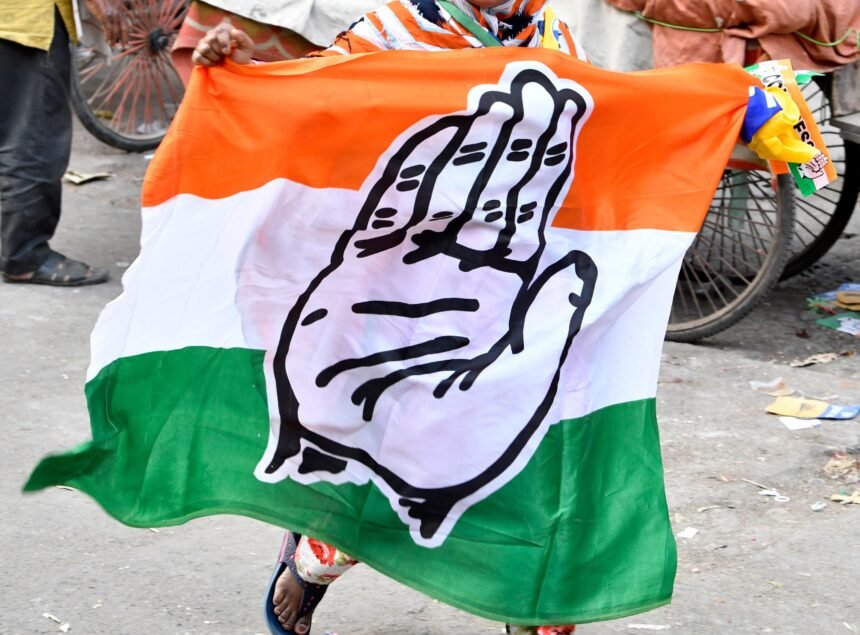
The opposition Congress party has intensified its criticism of the government over what it describes as prolonged delays in establishing a fully operational ministry structure. Party leaders have argued that administrative delays in finalizing ministerial appointments and departmental responsibilities could affect governance efficiency and policy implementation. Moreover, the criticism has added to the ongoing political debate surrounding administrative preparedness and government functioning.
Northeast Security Advisors Convene in New Delhi to Address Emerging Hybrid Security Threats
Power Infrastructure Repairs Restore Electricity
Congress Raises Concerns Over Administrative Delays
The Congress party has publicly questioned the pace of the government’s efforts to complete the formation and operationalization of the ministry. Consequently, opposition leaders have called for greater clarity regarding the timeline for finalizing ministerial appointments and administrative responsibilities.
According to Congress representatives, delays in establishing a fully functional ministerial structure may affect administrative coordination and decision-making processes. Moreover, the party has argued that timely appointments and effective governance mechanisms are essential for addressing public concerns and implementing policy priorities. Therefore, the issue has emerged as a significant point of political contention.
Political observers noted that opposition parties frequently scrutinize government formation processes and administrative timelines. As a result, the latest criticism has generated considerable political discussion.
Meanwhile, government officials continue to oversee the administrative and political processes associated with ministry formation. Consequently, the issue remains under close public and political observation.
Opposition Emphasizes Governance Efficiency
Congress leaders have emphasized that efficient governance requires clearly defined ministerial responsibilities and operational administrative structures. Moreover, they argued that delays in finalizing ministerial arrangements can create uncertainty in policy execution and governance coordination. Therefore, the opposition has called for expedited action.
Political analysts observed that the formation of ministries often involves complex political consultations, administrative considerations, and representation-related factors. Consequently, the process can attract considerable public and political scrutiny. Such developments frequently become important topics of political debate.
Furthermore, opposition leaders reiterated the importance of maintaining administrative continuity and ensuring effective governance mechanisms. As a result, discussions surrounding ministerial appointments and governance efficiency have intensified.
Meanwhile, political stakeholders continue to monitor developments related to the ministry’s formation. Similarly, public interest in the issue remains substantial.
Ministry Formation Remains a Key Political Process
The establishment of a fully operational ministry is considered an important component of effective governance and administrative management. Moreover, ministerial structures play a critical role in implementing government policies and coordinating departmental functions. Therefore, delays in finalizing such structures often attract political attention.
Experts noted that governments typically undertake extensive consultations before finalizing ministerial appointments and portfolio allocations. Consequently, political and administrative considerations frequently influence the pace of the process. Such exercises are regarded as essential for ensuring effective governance and institutional stability.
Furthermore, the formation of a complete ministerial structure can influence governance priorities and political dynamics. As a result, political observers continue to assess the implications of the ongoing process.
Meanwhile, discussions regarding governance efficiency and administrative preparedness remain active. Similarly, political debate surrounding the issue continues.
Political Debate Over Governance Continues
The Congress party’s criticism has further intensified political discussions regarding governance, administrative efficiency, and institutional functioning. Moreover, debates over government preparedness and policy implementation remain central themes in political discourse. Therefore, the issue is expected to remain a significant topic of public discussion.
Political analysts emphasized that opposition scrutiny and public debate are important aspects of democratic governance. Consequently, discussions concerning administrative performance and institutional effectiveness continue to play a major role in political processes. Such debates contribute to accountability and public engagement.
Furthermore, both government and opposition stakeholders remain focused on the broader implications of administrative decision-making. As a result, the issue is likely to continue attracting political attention.
Meanwhile, policymakers and observers continue to monitor developments closely. Similarly, discussions on governance and administration remain ongoing.
Conclusion
The Congress party’s criticism of delays in establishing a fully operational ministry has renewed political attention on governance efficiency, administrative preparedness, and institutional coordination. Moreover, the debate highlights the continuing importance of timely administrative processes and effective government functioning.
As discussions regarding ministry formation continue, political stakeholders are expected to remain actively engaged in evaluating governance priorities and administrative performance. Therefore, the issue will likely remain an important component of political discourse in the coming weeks.
The developments underscore the central role of administrative efficiency and political accountability in democratic governance.
FAQs
1. What criticism did the Congress party raise?
The Congress criticized the delay in establishing a fully operational ministry.
2. Why is a fully operational ministry important?
It ensures effective governance, policy implementation, and administrative coordination.
3. What concerns did the opposition highlight?
The opposition raised concerns about governance efficiency and administrative delays.
4. Why do ministry formation processes attract political attention?
They influence governance structures, political representation, and policy execution.
5. What broader issue does this debate reflect?
The debate reflects broader discussions about administrative efficiency and political accountability.