






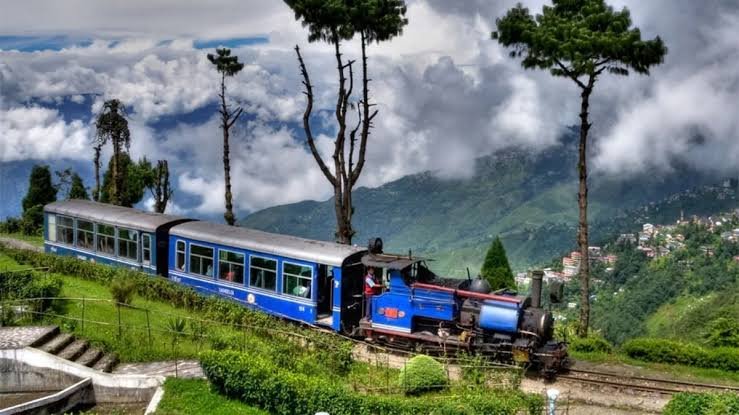
The Darjeeling Toy Train recognition has placed the historic Darjeeling Himalayan Railway in Lonely Planet’s Best in Travel 2027 selection. Darjeeling features among 50 global recommendations, with Lonely Planet highlighting it as “Best for a Toy Train journey.”
The recognition brings fresh international attention to one of India’s best-known mountain railways. Moreover, the railway combines heritage engineering, scenic landscapes and a living tourism experience across the Darjeeling hills.
Opened in 1881, the Darjeeling Himalayan Railway remains closely associated with the identity of Darjeeling. It also forms part of the Mountain Railways of India UNESCO World Heritage Site, which received UNESCO inscription in 1999.
Malem Thongam’s Kashmir-to-Mizoram Peace Ride Gains Local Support
Darjeeling Toy Train Recognition Puts Heritage Railway in Global Spotlight
The Darjeeling Toy Train recognition focuses on the distinctive experience offered by the Darjeeling Himalayan Railway. Rather than simply identifying Darjeeling as another sightseeing destination, Lonely Planet has specifically highlighted the Toy Train journey as the reason for its inclusion.
The railway travels through the mountainous landscape around Darjeeling, passing tea gardens, settlements and historic stations. Its narrow-gauge tracks and distinctive locomotives remain central to the experience, while the surrounding Himalayan scenery adds to its appeal.
The railway began operations in 1881 during the colonial period. Engineers developed specialised solutions to overcome the steep and difficult Himalayan terrain. As a result, the railway became notable not only for its tourism value but also for its engineering heritage.
Over time, the Toy Train developed into an important part of Darjeeling’s cultural identity. Its historic stations and locomotives continue to connect the railway’s past with the region’s present-day tourism economy.
The international recognition therefore carries significance beyond a travel ranking. It reinforces the idea of the Darjeeling Himalayan Railway as a heritage asset that remains active and accessible to visitors.
Darjeeling Toy Train Recognition Highlights UNESCO Heritage
The Darjeeling Toy Train recognition also draws attention to the railway’s UNESCO status. The Darjeeling Himalayan Railway forms one component of the Mountain Railways of India World Heritage property, alongside other historic mountain railway systems in the country.
UNESCO recognition has helped establish the railway as an important example of historic railway engineering. However, its significance does not rest only on its age. The railway continues to operate as a tourism experience, allowing visitors to experience the landscape through a historic transport system.
The journey also offers a different way to experience the Darjeeling hills. Instead of viewing the region only from roads or conventional tourist points, passengers can travel through the mountain landscape at a slower pace.
Meanwhile, the railway’s historic stations contribute to the character of the journey. Places such as Ghum have become closely connected with the railway’s heritage, while the surrounding hills and tea gardens provide a distinctive visual setting.
The combination of engineering and landscape helps explain why the Toy Train remains internationally recognisable. Its appeal comes from the interaction between the railway, the hills and the communities that have grown around the historic route.
That combination also gives the DHR a broader cultural role. The railway is not simply a preserved monument. Instead, it remains part of the tourism and cultural environment of Darjeeling.
Darjeeling Toy Train Recognition Supports Tourism Initiatives
The Darjeeling Toy Train recognition arrives as Northeast Frontier Railway continues efforts to promote the DHR as a living heritage attraction. Railway authorities have organised heritage journeys, steam locomotive rides, cultural events and other experiential programmes to increase visitor engagement.
Events such as the Ghum Winter Festival, Station Mahotsav and Summer Festival have also been used to bring visitors closer to the railway’s historic stations and surrounding communities. These initiatives connect railway heritage with the wider tourism economy of the Darjeeling hills.
Furthermore, railway-led tourism programmes have placed attention on community participation and environmental awareness. Such efforts can help present heritage tourism as an activity that involves local residents rather than focusing only on the railway infrastructure.
The recognition from Lonely Planet could provide additional visibility for these initiatives. International travellers looking for distinctive experiences may now encounter the Darjeeling Himalayan Railway through a major global travel recommendation.
However, increased attention also creates a responsibility to protect the railway’s heritage character. Tourism growth needs to support conservation, responsible visitor management and the long-term maintenance of historic infrastructure.
The railway’s value depends partly on its authenticity. Consequently, maintaining historic stations, locomotives and the character of the journey will remain important as Darjeeling attracts wider international attention.
Digital initiatives and educational programmes have also been used to introduce younger audiences to the railway’s history and engineering. Such efforts can help ensure that the DHR remains relevant to future generations while retaining its historic identity.
Darjeeling Toy Train Recognition Strengthens Global Tourism Profile
The Darjeeling Toy Train recognition gives Darjeeling another opportunity to strengthen its position on the international tourism map. Lonely Planet’s Best in Travel 2027 list includes 50 recommendations selected by the travel publisher, with Darjeeling identified specifically for its Toy Train experience.
Reports noted that Darjeeling and Gujarat were the two Indian entries in the 2027 selection, although they appeared in different categories. Darjeeling was highlighted for the Toy Train journey, while Gujarat was included among the recommended destinations.
This distinction is important because the Lonely Planet recognition does not simply rank the Toy Train against 49 other conventional destinations. Instead, the wider Best in Travel selection includes both destinations and travel experiences. Darjeeling’s entry specifically celebrates the railway journey.
For West Bengal, the recognition also comes at a time when authorities are seeking to increase the visibility of North Bengal and the eastern Himalayas. Darjeeling, Kalimpong, Kurseong and Mirik form part of broader tourism development discussions in the region.
The international profile could benefit local businesses connected with tourism, including hospitality, transport, food services and cultural activities. Nevertheless, the impact will depend on how effectively increased interest translates into sustainable visitor activity.
At the same time, the recognition highlights the wider tourism potential of heritage railways in India. Mountain railway journeys can combine history, engineering and landscape in ways that conventional sightseeing cannot always replicate.
For the Darjeeling Himalayan Railway, the latest recognition therefore adds another layer to its long international heritage profile. The railway has already earned UNESCO recognition, and the Lonely Planet selection now places its tourism experience before another global audience.
Conclusion
The Darjeeling Toy Train recognition has brought renewed international attention to the Darjeeling Himalayan Railway and its distinctive mountain journey. Lonely Planet’s Best in Travel 2027 selection identifies Darjeeling as a leading destination for a Toy Train experience, highlighting the railway’s heritage and scenic character.
The recognition also creates an opportunity to strengthen sustainable tourism around the Darjeeling hills. Therefore, continued preservation, community participation and responsible tourism will remain essential as the historic railway gains fresh attention from travellers in India and abroad.
FAQs
What is the Darjeeling Toy Train recognition?
The Darjeeling Toy Train recognition refers to Lonely Planet featuring Darjeeling among its Best in Travel 2027 recommendations, specifically describing it as “Best for a Toy Train journey.”
What is the Darjeeling Himalayan Railway?
The Darjeeling Himalayan Railway is a historic narrow-gauge mountain railway that began operations in 1881. It is popularly known as the Toy Train and forms part of the Mountain Railways of India UNESCO World Heritage Site.
Why is the Darjeeling Toy Train internationally important?
The railway combines historic engineering, mountain landscapes, heritage stations and an operating railway experience. Its UNESCO status and distinctive route have helped establish it as an important heritage attraction.
What did Lonely Planet say about Darjeeling?
Lonely Planet identified Darjeeling as “Best for a Toy Train journey” in its Best in Travel 2027 selection, placing the Darjeeling Himalayan Railway in the international travel spotlight.
Will the recognition help Darjeeling tourism?
The Darjeeling Toy Train recognition is expected to increase international visibility for the railway and the Darjeeling hills. Its longer-term tourism impact will depend on sustainable promotion, heritage preservation and responsible visitor management.