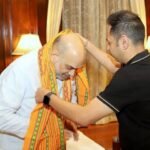

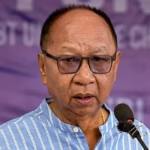
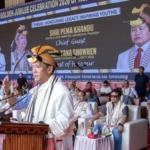

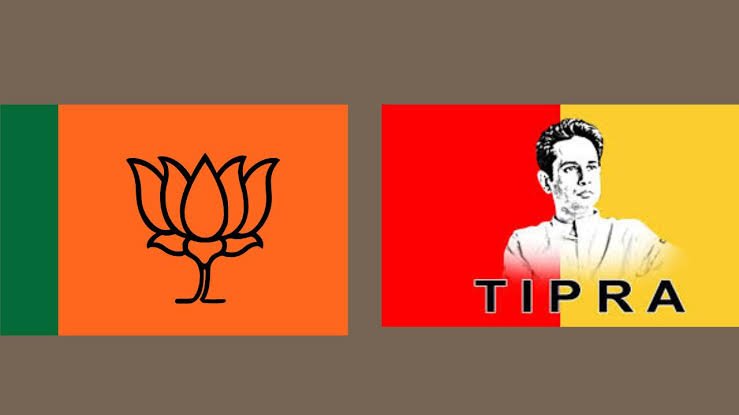
A series of high-level meetings in New Delhi reportedly aims to address ideological differences within the BJP-Tipra Motha coalition ahead of upcoming rural elections in Tripura. The discussions come as both parties seek to manage disagreements and maintain political coordination before voting begins in village-level institutions.
The meetings could provide an opportunity for senior leaders to review areas of disagreement and establish a common political approach. Moreover, resolving internal tensions before the rural polls could help the coalition maintain organisational coordination at the grassroots level.
The developments have drawn attention because village-level elections can test the strength of alliances beyond state politics. However, the exact issues discussed during the Delhi meetings and any decisions reached have not been fully disclosed in the information provided.
Bishnupur Militant Arrests: Four Cadres Held in Manipur Security Crackdown
Delhi Meetings Focus on Coalition Differences
Senior political leaders have reportedly convened in Delhi to discuss disagreements within the BJP-Tipra Motha alliance.
The meetings seek to address differences before the rural electoral process begins. Furthermore, direct discussions among senior leaders can provide a platform for both parties to clarify their positions and identify areas of common ground.
Such engagement could help reduce friction within the coalition.
However, the precise agenda of the meetings remains subject to official confirmation.
Rural Polls Raise Political Stakes
The upcoming village-level elections add urgency to the coalition’s internal discussions.
Rural elections provide parties with an opportunity to test their support among local voters and grassroots organisations. Additionally, disagreements between alliance partners can affect candidate selection, campaign coordination, and local-level seat arrangements.
Both parties therefore have an interest in maintaining organisational clarity.
However, the eventual electoral impact will depend on candidate choices, local issues, and voter preferences.
BJP and Tipra Motha Face Ideological Differences
The coalition reportedly faces sharp ideological differences on several political questions.
Alliances between parties with different political priorities can require continuous negotiation. Moreover, disagreements can become more visible when parties compete for influence among the same local electorate.
The Delhi meetings appear aimed at managing these differences through direct political engagement.
However, the available information does not specify every issue behind the reported ideological rift.
Senior Leadership Could Seek Common Ground
High-level meetings allow senior leaders to address disagreements before they affect grassroots operations.
Leaders can discuss campaign strategies, organisational coordination, and policy differences. Furthermore, direct communication can help prevent local disagreements from escalating into broader coalition disputes.
This can strengthen the alliance’s ability to coordinate during elections.
However, political understandings reached during leadership meetings may still require acceptance by local party organisations.
Grassroots Politics Remains Crucial
Village-level elections depend heavily on local networks.
Party workers, village leaders, community organisations, and local candidates can influence campaign activity. Additionally, differences between coalition partners at the grassroots level can create confusion if senior leaders do not establish clear coordination mechanisms.
The Delhi discussions could therefore have consequences beyond the state capital.
However, local political dynamics can differ significantly from decisions taken at the leadership level.
Coalition Coordination May Affect Candidates
Candidate selection often becomes a sensitive issue when coalition partners prepare for elections.
Both parties may need to coordinate over seats, campaign responsibilities, and local leadership. Moreover, disagreements over these matters can intensify competition within an alliance.
Resolving such questions early could help reduce electoral friction.
However, no specific seat-sharing or candidate arrangement has been confirmed in the information provided.
Rural Voting Adds Pressure
The timing of the meetings suggests that the upcoming rural polls have increased pressure on both parties to maintain coordination.
A stable alliance can present a clearer political message to voters. Furthermore, coordinated campaigns can help parties avoid competing against each other in areas where they intend to cooperate.
This can become particularly important in closely contested local elections.
However, the strength of the coalition will ultimately depend on how effectively it manages local differences.
Delhi Meetings Signal High-Level Attention
The decision to hold discussions in Delhi indicates that senior leadership may be taking the reported disagreements seriously.
Central-level engagement can provide political guidance when state-level negotiations face difficulties. Additionally, senior leaders can use such meetings to establish broader principles for coalition cooperation.
This can create a framework for resolving specific disputes.
However, meetings alone do not guarantee that all ideological differences will disappear.
Tipra Motha’s Regional Interests Matter
Tipra Motha has maintained a strong focus on issues involving Tripura’s tribal communities and regional political concerns.
These priorities can sometimes differ from the broader political agenda of its coalition partner. Moreover, balancing regional interests with coalition commitments can become particularly important during elections.
The reported Delhi discussions may therefore seek to maintain political cooperation while managing these differences.
However, the precise positions of both parties on the current disagreements require confirmation from official statements.
BJP Seeks Coalition Stability
For the BJP, maintaining coordination with an alliance partner can be important during elections that require strong grassroots organisation.
A functioning coalition can help combine organisational networks and local political influence. Furthermore, resolving disagreements before polling can reduce the risk of conflicting messages among supporters.
The Delhi meetings could therefore serve as a mechanism for restoring coordination.
However, the extent of any political compromise remains unclear.
Village Councils Could Test the Alliance
The rural elections may provide an early test of the coalition’s ability to work together at the local level.
Campaign coordination, candidate selection, and voter outreach can reveal whether senior-level agreements translate into grassroots cooperation. Additionally, the results could influence the political standing of both parties in rural areas.
This makes the upcoming vote strategically important.
However, election outcomes cannot be predicted solely from current coalition negotiations.
What Happens Next?
The BJP and Tipra Motha are expected to continue discussions as the rural electoral process approaches.
Senior leaders may attempt to establish common ground on ideological and organisational questions. Moreover, state-level party units may need to translate any Delhi-level understanding into practical arrangements for local campaigns.
The coming weeks could therefore determine how effectively the alliance manages its internal differences.
However, any formal agreement should be confirmed through official announcements from the parties involved.
Conclusion
The reported Delhi meetings over BJP-Tipra Motha coalition tensions highlight the political pressure created by Tripura’s upcoming rural elections. Senior leaders are seeking to address ideological differences and strengthen coordination before village-level voting begins.
Moreover, resolving disagreements could help both parties maintain a unified electoral strategy and prevent local-level competition from damaging the alliance. At the same time, differences in regional priorities and political agendas may require continued negotiation.
Overall, the Village Council tensions place the BJP-Tipra Motha partnership under an important political test, with the outcome of the Delhi discussions likely to influence how the coalition approaches the upcoming rural polls.
FAQs
1. Why are BJP and Tipra Motha leaders meeting in Delhi?
The reported meetings aim to address ideological and organisational differences within their coalition before rural elections.
2. Why are village elections important?
Village-level elections test grassroots organisation and can influence the political strength of parties across rural areas.
3. What are the reported coalition tensions?
The available information describes sharp ideological differences but does not specify every issue involved.
4. Can the Delhi meetings resolve the differences?
They could provide a platform for negotiations, but any lasting agreement would depend on decisions by both parties and their state-level organisations.
5. What happens next?
The parties are expected to continue discussions and potentially establish arrangements for candidate selection, campaign coordination, and rural election strategy.