




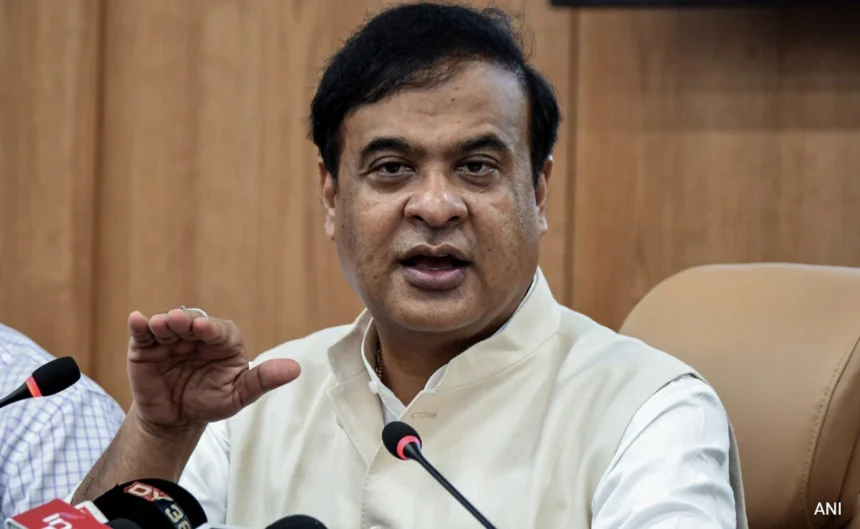
The decision to proceed with the major expansion of the Assam cabinet was reportedly finalized following three consecutive strategic visits by Chief Minister Himanta Biswa Sarma to New Delhi. The high-level consultations, which involved extensive political and administrative discussions, are believed to have played a crucial role in shaping the final structure of the proposed cabinet expansion. Moreover, the development highlights the importance of coordination between state leadership and national decision-making centers in determining major political and governance strategies.
Shillong Traffic Havoc After Heavy Rain
Chief Minister Himanta Biswa Sarma Announces Major Cabinet Expansion
Series of New Delhi Visits Preceded Cabinet Expansion Decision
Chief Minister Himanta Biswa Sarma’s recent visits to the national capital reportedly formed the basis of extensive consultations regarding the proposed cabinet expansion in Assam. Consequently, political observers have linked the announcement of the expansion to these high-level deliberations.
According to political analysts, repeated consultations at the national level often precede major political decisions involving government restructuring and administrative realignment. Moreover, such discussions help ensure coordination on governance priorities, political representation, and organizational strategy. Therefore, the timing of the cabinet expansion announcement has attracted significant attention.
Sources familiar with political processes indicated that strategic discussions focused on administrative efficiency, political balance, and future governance priorities. As a result, political activity surrounding the cabinet expansion has intensified.
Meanwhile, political observers continue to closely monitor developments related to the composition and structure of the expanded cabinet.
Strategic Consultations Highlight Importance of Political Coordination
The reported consultations in New Delhi underscore the importance of coordination and consensus-building in major political decisions. Moreover, interactions between state leadership and national policymakers often play a significant role in determining governance strategies and administrative priorities. Therefore, the recent meetings have generated substantial political interest.
Political experts observed that cabinet expansion exercises typically involve extensive discussions regarding representation, governance effectiveness, and political management. Consequently, strategic consultations frequently become an integral part of the decision-making process. Such mechanisms contribute to institutional coordination and political stability.
Furthermore, the deliberations reportedly examined broader governance objectives and future administrative requirements. As a result, expectations surrounding the cabinet expansion continue to rise.
Meanwhile, political stakeholders remain engaged in discussions concerning ministerial appointments and portfolio allocations.
Cabinet Expansion Expected to Influence Governance Strategy
The proposed expansion of the Assam cabinet is expected to have important implications for governance, administrative coordination, and political representation within the state. Moreover, cabinet restructuring exercises often provide governments with opportunities to address emerging challenges and strengthen institutional effectiveness. Therefore, the expansion is being viewed as a significant political development.
Analysts noted that expanding ministerial representation can improve administrative efficiency and facilitate more effective implementation of government programs. Consequently, strategic appointments and portfolio realignments are often closely monitored by political observers. Such decisions can influence both governance outcomes and political dynamics.
Furthermore, the cabinet expansion may contribute to strengthening regional representation and enhancing coordination among government departments. As a result, the political significance of the exercise remains substantial.
Meanwhile, policymakers continue to emphasize the importance of responsive governance and institutional effectiveness.
Political Attention Intensifies Ahead of Final Appointments
Following the announcement of the cabinet expansion, political attention has shifted toward the final selection of ministers and the allocation of portfolios. Moreover, discussions regarding political representation and administrative priorities continue to dominate public discourse. Therefore, upcoming decisions are expected to receive considerable scrutiny.
Experts emphasized that cabinet formation processes often involve balancing governance considerations with political and regional representation. Consequently, consultations and strategic assessments typically continue until final appointments are announced. Such processes play a crucial role in shaping future governance structures.
Furthermore, the expanded cabinet is expected to influence Assam’s political and administrative trajectory in the coming years. As a result, political observers remain closely engaged with the ongoing developments.
Meanwhile, discussions surrounding the final composition of the cabinet continue across political circles.
Conclusion
The reported finalization of Assam’s cabinet expansion following multiple strategic visits by Chief Minister Himanta Biswa Sarma to New Delhi highlights the importance of high-level political consultations in shaping major governance decisions. Moreover, the development reflects broader efforts to strengthen administrative effectiveness and political coordination.
As the process of cabinet formation moves forward, the expansion is expected to play a significant role in influencing Assam’s governance priorities and political landscape. Therefore, developments related to ministerial appointments and administrative restructuring will continue to attract substantial public and political attention.
The latest developments underscore the continuing importance of strategic planning, political consultation, and institutional coordination in contemporary governance.
FAQs
1. What reportedly led to the finalization of the cabinet expansion?
The decision was reportedly finalized after three strategic visits by Chief Minister Himanta Biswa Sarma to New Delhi.
2. Why are high-level political consultations important?
They help coordinate governance priorities, political representation, and administrative planning.
3. What is the purpose of a cabinet expansion?
Cabinet expansions are typically undertaken to improve governance efficiency and strengthen political representation.
4. What factors influence cabinet formation decisions?
Administrative priorities, political considerations, regional representation, and governance requirements often influence decisions.
5. Why has the cabinet expansion attracted attention?
It is expected to significantly influence Assam’s political and administrative landscape.