





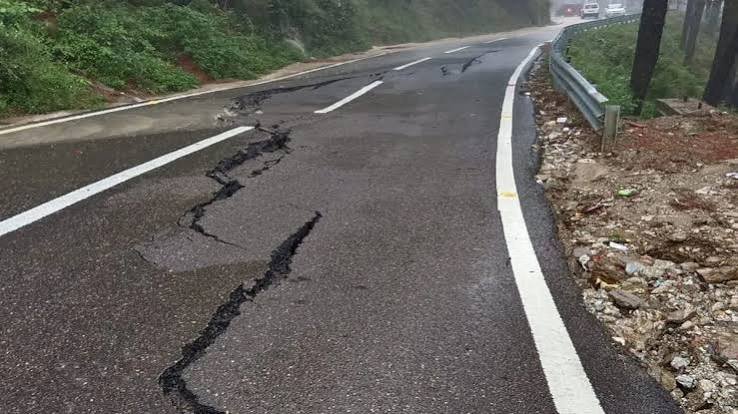
The District Impact of the ongoing monsoon has intensified, with 18 out of 26 districts reporting severe infrastructure disruptions due to persistent heavy rainfall. According to the available information, the widespread damage has affected transportation networks, public utilities, and essential services, prompting continued monitoring and response by authorities.
Injury Count Reaches 21 as Landslide-Related Incidents Affect Communities
The District Impact assessment highlights the extensive reach of the current weather emergency across the state. According to the available information, heavy rains have disrupted infrastructure in the majority of districts, underscoring the significant challenges posed by the ongoing monsoon season.
Persistent rainfall has triggered floods, landslides, road damage, and disruptions to public infrastructure in several regions. Moreover, prolonged adverse weather has placed additional pressure on emergency response agencies and local administrations working to restore normal services.
The latest update emphasizes the importance of coordinated disaster management and rapid infrastructure restoration. Therefore, authorities continue assessing affected areas while prioritizing critical repair and relief operations.
The situation also reflects the need for resilient infrastructure capable of withstanding extreme weather events. Additionally, continuous monitoring helps officials identify high-risk locations and deploy resources effectively.
District Impact Reveals Widespread Damage Across the State
The District Impact report confirms that 18 of the state’s 26 districts experienced severe infrastructure disruptions due to heavy rains. According to the available information, transportation, public facilities, and essential services were affected across multiple regions.
Moreover, infrastructure disruptions during the monsoon often include damaged roads, weakened bridges, interrupted power supply, and communication challenges. Consequently, restoration work becomes a priority for government agencies.
Heavy rainfall can significantly affect both urban and rural infrastructure, limiting access to healthcare, education, and emergency services. Furthermore, maintaining connectivity remains essential for relief operations and public safety.
The available information confirms widespread disruptions in 18 districts. However, authorities have not released a district-wise breakdown of the specific infrastructure damage or estimated repair costs.
Authorities Respond to District Impact With Restoration Efforts
The District Impact has prompted government departments and disaster management agencies to coordinate restoration and emergency response activities. Officials continue assessing damaged infrastructure while working to restore essential public services.
Additionally, engineering teams and local administrations remain engaged in repairing affected roads, clearing debris, and monitoring vulnerable infrastructure. This coordinated approach helps improve recovery efforts following prolonged rainfall.
Infrastructure assessments remain ongoing as weather conditions continue to evolve. Meanwhile, authorities are reviewing damage reports to determine additional repair priorities.
The available information does not mention new evacuation orders or additional emergency declarations linked specifically to the infrastructure disruptions. Therefore, the current update focuses on the widespread impact reported across 18 districts.
Recovery operations are expected to continue as rainfall conditions improve.
District Impact Highlights Need for Climate-Resilient Infrastructure
The District Impact underscores the importance of investing in resilient infrastructure capable of withstanding increasingly severe weather conditions. Strong transportation networks, effective drainage systems, and durable public facilities are essential for minimizing disruption during the monsoon.
Moreover, long-term planning and preventive maintenance can reduce the vulnerability of critical infrastructure. Consequently, strengthening disaster resilience remains an important development priority.
The extensive disruptions across 18 districts demonstrate how extreme weather can affect multiple sectors simultaneously. Similarly, coordinated planning between government agencies and local communities can improve disaster preparedness and recovery.
Building climate-resilient infrastructure will continue to play a key role in protecting communities and supporting sustainable development. Therefore, the District Impact assessment reinforces the importance of proactive investment in disaster mitigation and infrastructure modernization.
As authorities complete detailed assessments, future updates may provide additional information regarding repair progress, funding, and restoration timelines.
Conclusion
The District Impact report shows that 18 out of 26 districts experienced severe infrastructure disruptions due to persistent heavy rains. The widespread damage highlights the significant challenges posed by the ongoing monsoon and the need for continued disaster response efforts.
Furthermore, authorities remain focused on restoring essential services, repairing damaged infrastructure, and supporting affected communities. Effective coordination and timely action will remain vital as recovery operations continue.
Overall, the District Impact update illustrates the broad reach of the current weather emergency and emphasizes the importance of resilient infrastructure, disaster preparedness, and sustained recovery efforts across the state.
FAQs
1. What is the latest District Impact update?
The District Impact report states that 18 of the state’s 26 districts experienced severe infrastructure disruptions due to heavy rainfall.
2. What caused the infrastructure disruptions?
Persistent heavy rains led to floods, landslides, and damage to roads and other public infrastructure.
3. How many districts were affected?
According to the available information, 18 out of 26 districts reported severe infrastructure disruptions.
4. What types of infrastructure were impacted?
The available information generally refers to infrastructure disruptions but does not provide a detailed breakdown of affected facilities.
5. Are restoration efforts underway?
Yes. Authorities continue assessing damage and coordinating infrastructure restoration and disaster response activities.