





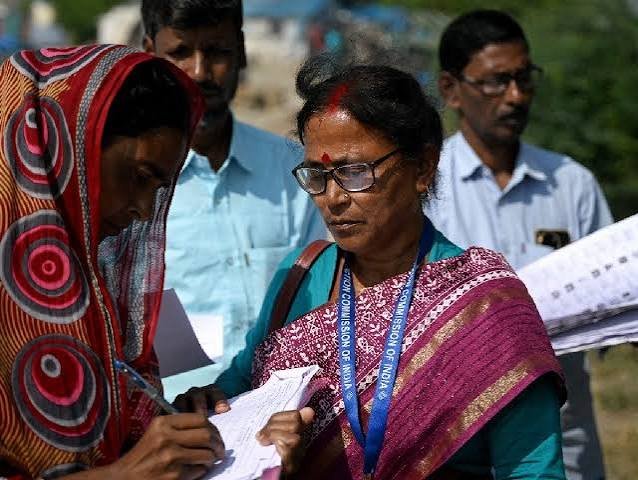
The Election Commission of India (ECI) has extended the deadlines linked to the Special Intensive Revision (SIR) of electoral rolls across several regional states. The revised schedule gives election officials additional time to complete verification, process voter applications, and address documentation-related issues during the ongoing revision exercise.
The deadline extensions could provide eligible voters with more time to review their electoral details and submit required documents. Moreover, the changes are expected to help election officials manage the large volume of records involved in the SIR process.
The revision remains focused on improving the accuracy of electoral rolls before upcoming elections. However, citizens should continue to follow the latest schedules issued by the ECI and relevant state election authorities.
Imphal-Dimapur Interstate Passenger Service Set to Return
ECI Extends SIR Deadlines
The ECI has pushed back key deadlines under the Special Intensive Revision process.
The revision involves detailed examination and updating of electoral records. Furthermore, extending the timeline can give officials additional time to verify information and process applications submitted by eligible voters.
The move also gives citizens more time to respond to documentation requirements.
However, individual deadlines may differ between states and stages of the revision process.
Voters Get More Time for Documentation
One major benefit of an extended schedule is additional time for voters to complete required documentation.
Citizens who need to clarify their electoral information can use the extended period to gather relevant records and submit applications through authorised channels. Moreover, additional time can reduce pressure on voters who face difficulties accessing documents.
This can be particularly important in rural and remote areas.
However, voters should not assume that every deadline has received the same extension.
Verification Remains Central to SIR
The SIR process involves detailed verification of electoral information.
Election officials examine voter records and process applications relating to registration, corrections, and other permitted changes. Additionally, verification can help identify duplicate, outdated, or otherwise inaccurate entries.
The extended timeline allows officials to handle these tasks more systematically.
However, verification procedures must follow the legal and administrative framework established by the ECI.
Regional States Face Large-Scale Reviews
Electoral-roll revisions can involve millions of voter records across multiple constituencies.
Regional states with geographically difficult areas may face additional logistical challenges during field verification. Furthermore, officials may need to coordinate with local administrative teams to collect and examine information.
The extensions can provide greater flexibility for completing these tasks.
However, the effectiveness of the revised schedule will depend on administrative capacity and timely public participation.
Claims and Corrections Remain Important
Citizens play an important role in identifying errors within electoral records.
Eligible voters can use the prescribed procedures to seek inclusion, correct inaccurate information, or raise legitimate concerns about entries. Moreover, public participation can help election officials identify problems that automated or administrative checks may miss.
This strengthens the overall revision process.
However, voters should submit claims through official channels and meet the applicable deadlines.
Political Parties Can Monitor the Process
Political parties also have a role in scrutinising electoral-roll revisions.
Party representatives can examine relevant voter lists and raise concerns through established procedures. Furthermore, parties can help inform voters about changes to the revision schedule and encourage eligible citizens to verify their records.
This can improve awareness.
However, all political stakeholders must follow applicable election laws and procedures when raising objections or handling electoral information.
Extensions Could Reduce Administrative Pressure
Large-scale electoral revisions require substantial administrative coordination.
Officials must process forms, verify records, respond to claims, and update databases. Additionally, field-level teams may need to conduct verification across large or difficult-to-access areas.
A longer schedule can distribute this workload over a broader period.
However, extended deadlines should not reduce the need for efficient processing and clear communication.
Digital Services Can Support Voters
Online electoral services can help citizens access registration information and submit eligible applications where such facilities are available.
Digital systems can reduce travel requirements and provide quicker access to forms and status information. Moreover, electronic records can help election officials manage large numbers of applications.
However, citizens should use only official ECI or authorised government platforms for electoral services.
Rural and Remote Areas Need Attention
SIR implementation can present additional challenges in remote communities.
Limited internet access, travel difficulties, documentation gaps, and language barriers can affect citizens’ ability to complete electoral procedures. Furthermore, field-level verification may require additional time in geographically challenging areas.
The extended schedule could provide officials and voters with more flexibility.
However, authorities must ensure that eligible voters receive clear information about the procedures and revised deadlines.
Accuracy and Inclusion Must Work Together
Electoral-roll revision has two important objectives: maintaining accurate records and ensuring eligible citizens remain included.
Verification can help identify questionable entries, while claims and correction mechanisms protect legitimate voter registrations. Moreover, transparent procedures can help balance data accuracy with citizens’ electoral rights.
This balance remains central to public confidence.
However, changes to voter records should follow established legal safeguards and verification procedures.
Deadline Changes Require Public Awareness
Whenever election authorities modify a schedule, clear communication becomes essential.
Citizens need to know which deadlines changed, what documents they must submit, and where they should complete the relevant procedures. Additionally, political parties and local organisations can help distribute accurate information.
This can prevent voters from relying on outdated schedules.
However, citizens should confirm important dates directly through official election-authority announcements.
Draft Rolls Will Follow the Revision Process
The SIR process ultimately leads toward publication of revised electoral rolls.
Once authorities complete the relevant verification and processing stages, they can publish draft lists for public scrutiny. Furthermore, citizens can review their records and use available claims and objection mechanisms where necessary.
The final electoral rolls will follow the subsequent stages of the process.
However, the precise publication dates depend on the revised schedules applicable to each state.
Transparency Can Strengthen Confidence
Public access to electoral information can improve confidence in the revision exercise.
Publishing revised schedules, providing clear procedures, and allowing citizens to challenge legitimate errors can make the process more transparent. Moreover, independent scrutiny by political parties and other stakeholders can contribute to accountability.
This can help reduce confusion surrounding large-scale voter-list revisions.
However, transparency also requires timely publication of accurate information.
What Happens Next?
Election officials will continue processing voter records under the revised SIR timelines.
Citizens should check their electoral information and complete any required submissions before the applicable extended deadlines. Furthermore, political parties and other stakeholders can continue monitoring the revision process through authorised mechanisms.
Authorities will then move toward subsequent draft and final-roll stages.
However, voters should monitor official announcements because individual state schedules may change further.
Conclusion
The ECI deadline extensions for SIR provide additional time for election officials and citizens involved in the large-scale electoral-roll revision process. The revised timelines can help authorities complete verification, process applications, and address documentation-related concerns more carefully.
Moreover, the extensions give eligible voters additional opportunities to review their records and submit legitimate claims or corrections. At the same time, citizens should rely on official ECI and state election-authority announcements for the latest deadlines and procedures.
Overall, the revised SIR schedule represents an important administrative adjustment as election authorities work to improve the accuracy, transparency, and reliability of electoral rolls across the affected regional states.
FAQs
1. What is SIR?
SIR stands for Special Intensive Revision, a process used by election authorities to conduct detailed revision and verification of electoral rolls.
2. Why did the ECI extend SIR deadlines?
The extensions provide additional time for voter verification, document submission, application processing, and other administrative tasks involved in the revision.
3. Do all states have the same revised deadline?
Not necessarily. Different states or stages of the revision process can have different schedules, so voters should check official announcements for their area.
4. What should voters do during the extended period?
Citizens should verify their electoral information and complete any required registration, correction, or documentation procedures before the applicable revised deadline.
5. Where can voters find updated SIR information?
Voters should rely on official Election Commission of India and relevant state election-authority platforms for current schedules, forms, and instructions.