





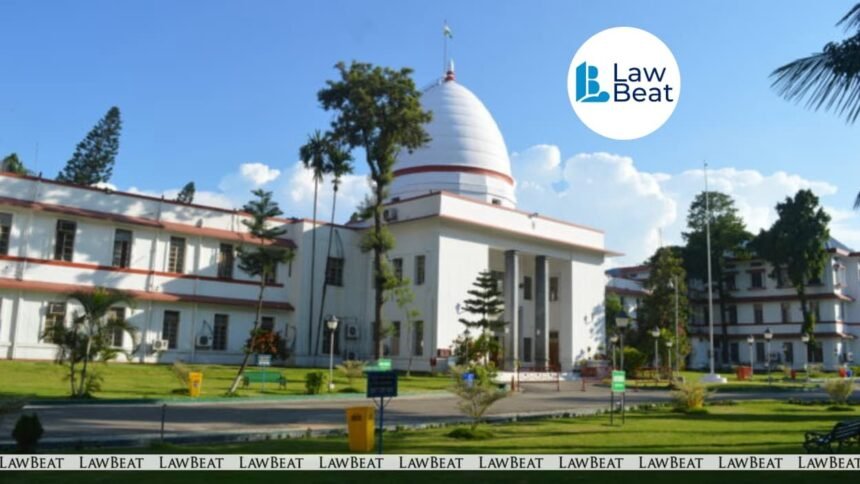
The Goalpara eviction drive contested by affected residents has come under judicial scrutiny after the district administration demolished 73 houses across five revenue villages in Assam’s Matia Revenue Circle. Officials said the structures stood on agricultural land and had been built without the required change in land-use classification.
However, the Gauhati High Court has questioned the manner in which the demolitions took place. Justice Devashis Baruah said the action appeared prima facie illegal and contrary to natural justice after residents received only 24 hours to remove their houses.
Special Assistance to States Scheme: Northeast Gets Fresh Capital Investment Support
Goalpara Eviction Drive Contested After 73 Houses Demolished
The Goalpara eviction drive contested in court took place in the Krishnai area under the Matia Revenue Circle. Reports identified five affected revenue villages: Harimura, Bhojmala Tengabari, Paschim Bhelakhamar, Kharija Manikpur and Jotsarwadi.
The administration deployed around 10 excavators along with JCB machines and a large police contingent during the operation. Officials said the drive targeted alleged unauthorised occupation of agricultural land and structures built without approval for residential use.
According to the district administration, residents had allegedly constructed houses on land classified for agricultural purposes without completing the required land-use change. Officials also cited concerns about natural drainage and waterways that serve agricultural areas.
Goalpara Deputy Commissioner Prodip Timung said authorities did not object to agricultural cultivation on the land but maintained that construction of houses had to follow applicable rules and procedures. He also referred to concerns about construction around low-lying areas and wetlands affecting water flow.
The administration therefore presented the operation as a land-use enforcement measure rather than a general action against agricultural cultivation. Nevertheless, the demolition has generated a separate legal dispute over the procedure followed before the houses were removed.
Gauhati High Court Questions 24-Hour Notice
The Goalpara eviction drive contested by residents reached the Gauhati High Court through a petition filed by 21 affected residents. Justice Devashis Baruah heard the matter on September 7 and questioned why authorities had considered such a rapid demolition necessary.
The petitioners said the Matia Circle Officer issued notices on September 5 directing them to demolish their houses within 24 hours or face legal action. They subsequently told the court that demolition teams arrived in the early hours of September 7.
The High Court questioned what “imminent danger” justified using such drastic powers on the affected properties. It also observed that the authorities appeared not to have provided the petitioners with an adequate opportunity to present their side before the demolitions.
Justice Baruah described the action as prima facie illegal and unauthorised and said it appeared contrary to the principles of natural justice. The court linked those principles to constitutional protections under Articles 14 and 21.
Importantly, the court’s observations do not amount to a final ruling that every demolished structure complied with all land laws. Instead, the proceedings focus on whether the administration followed the legally required process and whether the urgency cited justified the action.
Agricultural Land Rules Become Central to Dispute
The Goalpara eviction drive contested in court has also raised questions about how Assam’s agricultural land rules apply to residential construction. During the hearing, the court examined provisions of the Assam Agricultural Land (Regulation of Reclassification and Transfer for Non-Agricultural Purpose) Act, 2015.
The court noted that Section 3(iv) of the law provides an exemption from prior permission for construction of one’s own dwelling house on agricultural land not exceeding one bigha, subject to prescribed conditions. The provision therefore became relevant to the petitioners’ challenge.
Reports also said the petitioners described the properties as patta lands. They argued that they possessed land documents and challenged the administration’s characterization of their homes as unauthorised structures. These claims remain part of the ongoing legal proceedings and have not been finally adjudicated.
Meanwhile, the administration has maintained that the residents built houses without obtaining the necessary change in land classification. Therefore, the central dispute involves both substantive land-use compliance and the procedure used to enforce the rules.
The court’s intervention consequently brings a second dimension to the case. While the administration’s stated objective involves protecting agricultural land and drainage, the judiciary is examining whether officials exercised their powers within the required legal safeguards.
Residents Challenge Eviction Process and Demolition
The Goalpara eviction drive contested by residents has also raised concerns about the consequences of the short notice period. Reports said several affected families had lived in the area for years, while some residents disputed the administration’s characterization of their homes as illegal structures.
Some affected residents reportedly said they possessed documents relating to the land. Reports also said that some families had previously faced displacement after Brahmaputra river erosion and had rebuilt their homes after moving to Goalpara. These claims remain allegations made by residents and require consideration within the ongoing legal process.
The short notice also became a major point of contention. The petitioners argued that they did not receive sufficient time to challenge the proposed demolition or safely remove their belongings. Consequently, the case has moved beyond the question of land classification to the broader issue of procedural fairness.
The High Court allowed the petitioners to submit an additional affidavit detailing the demolition and the losses they claimed to have suffered. At the same time, the government was asked to obtain instructions from the district administration and explain the circumstances surrounding the action.
Therefore, the final legal position remains open. The court has questioned the process, but it has not yet delivered a final judgment determining the legality of every structure or the underlying land claims.
Court Restrains Further Action Pending Proceedings
A significant development in the Goalpara eviction drive contested by residents came when the Gauhati High Court restricted further action against the petitioners’ lands.
The order applies to the properties named in the petition. However, it does not settle the wider land-use dispute.
Instead, the court will examine the administration’s justification and the residents’ claims before allowing further action. The government advocate must also obtain instructions from the concerned authorities.
The court has sought an explanation about the circumstances that allegedly required urgent demolition. Furthermore, its reference to natural justice highlights the need for affected property holders to receive an opportunity to respond.
This issue becomes particularly important when authorities rely on emergency provisions. Such provisions can allow faster action, but officials must still follow the applicable legal requirements.
Meanwhile, the administration has cited concerns involving agricultural land, wetlands and drainage. These issues remain part of the official explanation for the eviction.
The ongoing proceedings will determine how those concerns interact with the procedural protections claimed by residents.
Land Protection and Due Process Remain in Focus
The Goalpara eviction drive contested before the High Court raises several questions about land-use enforcement.
Authorities have cited agricultural protection, land classification and drainage concerns. Meanwhile, affected residents have challenged the demolition process and the short notice period.
Protecting agricultural land can require action against unauthorised construction. However, authorities must still follow the applicable legal framework.
The High Court’s observations indicate that the procedure used in Goalpara will face judicial examination. Moreover, the case shows why land records and classification rules can become central to eviction disputes.
A property dispute can involve several separate issues. These may include ownership or patta status, land-use classification and construction permissions.
The court must also examine whether authorities had the legal power to remove the structures. Therefore, its intervention does not settle the competing claims at this stage.
Instead, the administration must explain the legal basis for its action. It must also explain why the situation required such urgent measures.
The next stage will depend on the government’s response and the court’s further examination. The court will consider whether officials followed the applicable procedure.
Conclusion
The Goalpara eviction drive contested by residents has become a significant legal dispute. Authorities demolished 73 houses across five villages under the Matia Revenue Circle.
The administration said the structures stood on agricultural land. It also said the properties lacked the required change in land-use classification.
Additionally, officials cited concerns about drainage and agricultural areas. However, residents challenged the demolition and the short notice period.
The Gauhati High Court has questioned the legality and procedure of the action. The court described the demolition as prima facie illegal and contrary to natural justice.
It also asked the government to explain what imminent danger justified the rapid demolition. Furthermore, the court restricted further action against the petitioners’ lands while it considers the matter.
Consequently, the final legal position will depend on the administration’s response and the court’s further examination. The proceedings will address land-use rules, procedural safeguards and the circumstances surrounding the demolition.
FAQs
Why is the Goalpara eviction drive contested?
The Goalpara eviction drive contested by residents concerns both the administration’s land-use claims and the procedure followed before demolishing the houses. Residents challenged the 24-hour notice and argued that they were not given an adequate opportunity to respond.
How many houses were demolished?
Reports said the Goalpara administration demolished 73 houses across five revenue villages during the September 7 eviction operation.
Why did the administration carry out the eviction?
Officials said the houses had allegedly been constructed on agricultural land without the required change in land-use classification. They also cited concerns about blocked drainage and waterways affecting agricultural areas.
What did the Gauhati High Court say?
Justice Devashis Baruah observed that the action appeared prima facie illegal and unauthorised and questioned whether residents had received adequate opportunity to be heard. The court also asked what imminent danger justified the rapid demolition.
Has the High Court finally ruled on the demolitions?
No. The court’s observations are part of ongoing proceedings and do not constitute a final determination on every property’s legal status. The court has sought explanations from the government and restrained further action against the petitioners’ lands pending the proceedings.