





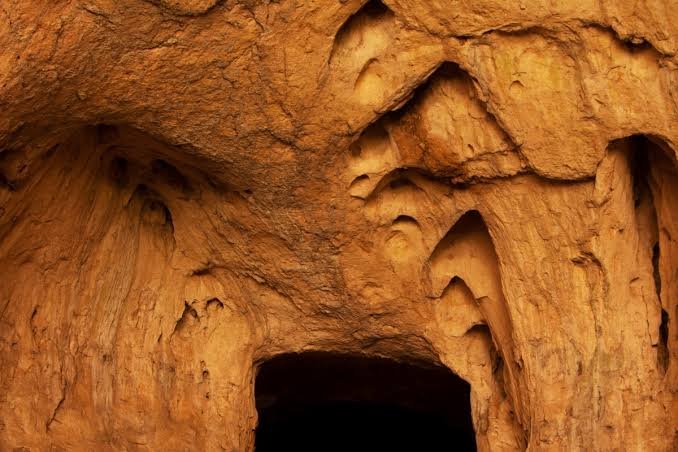
Fresh subsurface geological testing has begun inside the limestone cave system of Phokhungri, with researchers focusing on deposits that could preserve Pleistocene-era fossil records. The work aims to examine buried layers within the cave matrix and determine whether they contain evidence that can improve understanding of the region’s ancient environmental history.
The exploration places geological investigation at the centre of efforts to study potentially significant underground deposits. Moreover, analysing cave sediments can help researchers establish how geological layers formed and identify areas that may warrant more detailed palaeontological investigation.
However, testing does not automatically confirm the presence of fossils. Researchers must carefully document sediment layers, analyse samples, and establish reliable dates before drawing conclusions about ancient life or environmental conditions.
Imphal-Dimapur Interstate Passenger Service Set to Return
Phokhungri Caves Draw Scientific Attention
The limestone caves of Phokhungri provide a natural setting for geological investigation.
Cave systems can preserve sediments over long periods because underground environments sometimes protect deposits from surface erosion. Furthermore, different layers may contain clues about past climate, water movement, vegetation, and animal activity.
Researchers can use these geological records to reconstruct aspects of ancient environments.
However, preservation conditions vary considerably between cave systems, so scientists must assess each deposit individually.
Testing Targets Pleistocene Layers
The current investigation focuses on deposits potentially associated with the Pleistocene epoch, a period extending from roughly 2.6 million years ago to about 11,700 years ago.
The period witnessed major climatic changes and repeated glacial cycles. Additionally, many prehistoric animal species occupied different parts of Asia during this time.
Finding fossil material within securely dated Pleistocene deposits could therefore provide valuable regional evidence.
However, researchers must establish the age of each geological layer before confidently assigning fossil material to a particular period.
Limestone Caves Can Preserve Fossils
Cave environments can offer favourable conditions for fossil preservation.
Bones and other biological remains can become incorporated into sediment and mineral deposits over time. Moreover, limestone-rich environments can contribute to mineralisation and create complex underground preservation conditions.
These characteristics make caves important sites for palaeontological research.
However, later water movement, sediment disturbance, and human activity can alter cave deposits and complicate interpretation.
Subsurface Testing Provides Initial Evidence
Geological testing allows researchers to examine deposits without immediately disturbing large areas of a cave.
Scientists can investigate sediment composition, depth, structure, and mineral characteristics. Furthermore, targeted sampling can identify areas that deserve more detailed excavation or laboratory analysis.
This approach can reduce unnecessary disturbance to potentially sensitive deposits.
However, researchers must follow careful sampling protocols to preserve the scientific context of every specimen.
Fossils Could Reveal Ancient Environments
If Pleistocene fossils emerge from the Phokhungri deposits, they could provide information about ancient ecosystems.
Animal remains can reveal which species occupied the area, while associated sediments can provide clues about environmental conditions. Additionally, plant remains, pollen, minerals, and other materials can help researchers reconstruct changes in climate and landscape.
Such evidence can contribute to a broader understanding of Northeast India’s prehistoric environment.
However, individual fossils rarely provide a complete picture without supporting geological and chronological evidence.
Dating Will Be Crucial
Determining the age of any discovered material will remain a central part of the research.
Scientists can use appropriate geological and radiometric dating methods depending on the material and age range involved. Moreover, researchers can compare multiple dating approaches to improve confidence in chronological interpretations.
Accurate dating can establish whether remains genuinely belong to the Pleistocene.
However, dating methods have specific limitations, so researchers must select techniques suitable for each sample.
Northeast India Holds Research Potential
The investigation could contribute to wider scientific interest in Northeast India’s geological record.
The region contains diverse landscapes shaped by complex geological processes. Furthermore, its location between different ecological and biogeographical zones makes it relevant to studies of species movement and environmental change.
Cave deposits can provide additional evidence that surface geology may not preserve.
However, researchers need more systematic investigations across the region to understand broader patterns.
Cave Research Requires Careful Conservation
Scientific exploration inside caves must balance research objectives with conservation.
Cave formations can develop over extremely long periods and may suffer permanent damage from careless handling. Additionally, sediment layers can lose scientific value if researchers disturb them without recording their original position.
Careful documentation is therefore essential.
However, conservation does not mean avoiding all scientific investigation. Properly designed research can generate valuable knowledge while minimising disturbance.
Archaeology and Palaeontology May Intersect
Cave deposits can contain evidence relevant to multiple scientific disciplines.
Researchers may encounter geological material alongside animal remains, plant evidence, or traces of past human activity. Moreover, collaboration between geologists, palaeontologists, archaeologists, and environmental scientists can provide a more complete interpretation.
This interdisciplinary approach can strengthen the scientific value of the site.
However, each type of evidence requires specialised analytical methods.
Ancient Climate Could Be Studied
Pleistocene cave deposits may contain clues about past climate conditions.
Sediment layers, mineral deposits, pollen, and other environmental indicators can reveal changes in temperature, rainfall, vegetation, and water availability. Furthermore, researchers can compare these records with evidence from other sites to reconstruct regional climate patterns.
Such information can contribute to studies of long-term environmental change.
However, researchers need well-preserved and accurately dated material to make reliable climate interpretations.
Discoveries Could Expand Regional Knowledge
New fossil evidence from Phokhungri could fill gaps in the prehistoric record of the region.
Researchers can compare any discoveries with fossils and geological deposits from other parts of India and Asia. Additionally, comparisons can help scientists investigate how species and ecosystems changed over thousands of generations.
This could give Phokhungri broader scientific relevance.
However, the significance of the site will depend on what the testing and subsequent investigations actually reveal.
Scientific Documentation Remains Essential
Every sample collected during geological testing needs accurate documentation.
Researchers should record the location, depth, sediment characteristics, and surrounding geological context. Moreover, preserving this information allows future scientists to reassess the evidence as new analytical techniques become available.
Proper documentation can therefore extend the scientific value of the investigation beyond the current project.
However, researchers must also ensure that samples receive appropriate storage and laboratory handling.
Local Communities Can Support Conservation
Cave research can benefit from engagement with nearby communities.
Local residents often possess knowledge about cave locations, access routes, environmental conditions, and historical use. Furthermore, community participation can support conservation by increasing awareness of the scientific and cultural value of the site.
Responsible research can therefore create opportunities for local involvement.
However, scientific activities should respect local concerns and follow applicable heritage and environmental regulations.
Potential for Scientific Tourism
If researchers establish significant geological or palaeontological value, Phokhungri could eventually attract educational and scientific interest.
Universities, museums, researchers, and students may seek opportunities to study the cave system. Additionally, carefully managed scientific tourism could contribute to local economic activity.
However, increased visitation would require strict conservation measures.
Protecting the cave’s geological deposits must remain the priority.
What Happens Next?
The immediate focus remains on analysing the geological data and samples generated by the subsurface testing.
If researchers identify promising deposits, they may conduct more detailed geological mapping, targeted excavation, laboratory analysis, and dating. Furthermore, any confirmed fossil discoveries could undergo taxonomic and palaeoenvironmental study.
These steps would determine the scientific importance of the Phokhungri cave system.
However, researchers should avoid drawing definitive conclusions until laboratory results establish the nature and age of the deposits.
Conclusion
The Phokhungri Caves re-exploration marks a potentially important step in investigating Northeast India’s prehistoric geological record. Subsurface testing within the limestone cave matrix can help researchers identify sediment layers that may preserve Pleistocene fossil records and other evidence of ancient environments.
Moreover, careful geological analysis could provide information about past ecosystems, climate conditions, and species distribution. At the same time, researchers must establish reliable dates and preserve the context of every discovery before drawing major conclusions.
Overall, the investigation could expand scientific knowledge of Phokhungri and the wider Northeast Indian region. Its significance will ultimately depend on what the geological testing and subsequent palaeontological studies uncover.
FAQs
1. What is being investigated at Phokhungri?
Researchers are examining subsurface geological deposits within the limestone cave system to identify potentially significant prehistoric material.
2. What does Pleistocene mean?
The Pleistocene was a geological epoch that lasted from about 2.6 million years ago until approximately 11,700 years ago.
3. Why are caves useful for fossil research?
Cave sediments can sometimes preserve biological remains and environmental evidence for long periods, making them valuable geological and palaeontological archives.
4. Will testing confirm Pleistocene fossils?
Not necessarily. Researchers must analyse samples and establish reliable dates before confirming the age and origin of any fossil material.
5. Why is Phokhungri potentially important?
The site could provide new evidence about ancient ecosystems, climate conditions, geological development, and prehistoric animal distribution in Northeast India.