






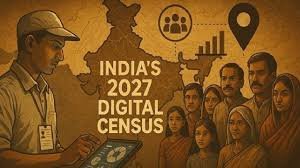
Census 2027 first phase has officially begun, marking a major step in India’s population data collection. The process includes a self-enumeration option for citizens. Moreover, it reflects a shift toward digital methods. As a result, the census aims to become more efficient and accessible.
Serious Concern: Sikkim School Closure
Census 2027 First Phase Begins Nationwide
Census 2027 first phase has officially started, marking a significant milestone in India’s data collection process. The government has introduced modern methods to improve efficiency and accuracy. Moreover, this phase focuses on gathering essential household information.
Sharp Tripura Fuel Price Hike Impact
The census plays a crucial role in policy planning and development. Therefore, accurate data collection remains essential. As a result, authorities are encouraging active participation from citizens.
Introduction of Self Enumeration Option
Census 2027 first phase introduces a self-enumeration option for the first time. Citizens can now submit their information online without waiting for enumerators. Moreover, this feature makes the process more convenient and flexible.
Self-enumeration reduces workload for officials and speeds up data collection. Therefore, it improves overall efficiency. As a result, more people can participate easily.
Digital Transformation in Census Process
Census 2027 first phase reflects a major shift toward digital transformation. Authorities are using technology to streamline operations and reduce errors. Moreover, digital tools ensure faster processing and better data management.
This approach aligns with India’s push for digital governance. Therefore, the census becomes more transparent and efficient. As a result, it sets a new standard for future data collection.
Importance of Accurate Population Data
Census 2027 first phase highlights the importance of accurate population data. Governments rely on census data for planning infrastructure, healthcare, education, and welfare programs. Moreover, it helps in resource allocation and policy decisions.
Accurate data ensures effective governance. Therefore, citizen participation is crucial. As a result, the success of the census depends on collective effort.
Role of Citizens in Census Participation
Census 2027 first phase requires active involvement from citizens. Individuals must provide accurate and complete information. Moreover, awareness campaigns are encouraging people to participate.
Citizen cooperation ensures reliable data collection. Therefore, everyone plays a vital role in the process. As a result, the census can achieve its objectives.
Benefits of Self Enumeration for Citizens
Census 2027 first phase offers several benefits through self-enumeration. Citizens can complete the process at their convenience. Moreover, it reduces the need for physical interaction.
The online system also allows easy updates and corrections. Therefore, data accuracy improves. As a result, the process becomes more user-friendly.
Challenges in Implementation
Census 2027 first phase may face challenges such as digital accessibility and awareness. Not all citizens have access to internet facilities. Moreover, some may find online systems difficult to use.
Authorities are addressing these issues through support systems and offline options. Therefore, inclusivity remains a priority. As a result, the census aims to cover all sections of society.
Impact on Governance and Policy Making
Census 2027 first phase will significantly impact governance and policy making. Data collected will guide decisions on development projects and welfare schemes. Moreover, it will help identify population trends and needs.
Effective planning depends on accurate data. Therefore, the census plays a critical role in national development. As a result, its importance cannot be overstated.
Future of Digital Data Collection in India
Census 2027 first phase sets the foundation for future digital data collection in India. The success of this approach can encourage similar methods in other sectors. Moreover, it can improve efficiency across government operations.
Digital systems offer scalability and transparency. Therefore, they represent the future of governance. As a result, India is moving toward a more data-driven system.
Conclusion
Census 2027 first phase marks a historic step in India’s journey toward modern and efficient data collection. The introduction of self-enumeration and digital tools highlights a progressive approach. Moreover, citizen participation remains crucial for its success. As the process unfolds, it will play a vital role in shaping policies and development strategies for the future.
FAQs
1. What is Census 2027 first phase?
It is the initial stage of India’s population data collection process.
2. What is self-enumeration?
It allows citizens to submit their census data online by themselves.
3. Why is the census important?
It helps in planning policies, infrastructure, and welfare programs.
4. Can everyone use self-enumeration?
Yes, but offline options are also available for those without internet access.
5. How does this census differ from previous ones?
It includes digital methods and self-enumeration for better efficiency.