




The Sikkim Organic Farming Model has once again gained national attention as Prime Minister Narendra Modi praised Sikkim for completing a decade of fully organic farming. Calling it a benchmark for the entire nation, he urged tourists to support local economies by spending at least 5% of their travel budget on organic products. This Organic Farming Model demonstrates how sustainable agriculture can drive economic growth, environmental protection, and rural development simultaneously.
Development Push: Water Projects in Manipur Launched by CM
Mizoram School Closures Due to Heavy Rain
A Decade of Organic Excellence
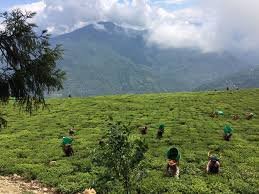
The Organic Farming Model stands out as a unique achievement, as Sikkim became India’s first fully organic state. Over the past decade, farmers have adopted eco-friendly practices, eliminating chemical fertilizers and pesticides.
This Organic Farming Model has improved soil health, increased biodiversity, and ensured safer food production. It serves as a powerful example of long-term sustainable agriculture.
PM Modi’s Call to Tourists
Prime Minister Narendra Modi emphasized the importance of supporting local communities through tourism. As part of promoting the Organic Farming Model, he encouraged visitors to allocate at least 5% of their travel spending toward local organic products.
This initiative tied to the Organic Farming Model can boost farmers’ incomes while strengthening the local economy. It also promotes responsible and conscious tourism.
Economic Benefits for Local Farmers
The Organic Farming Model has created new economic opportunities for farmers and small businesses. Organic produce often commands higher prices in the market, increasing profitability.
By supporting the Organic Farming Model, tourists and consumers contribute directly to rural livelihoods. This approach ensures sustainable income and reduces dependency on traditional farming challenges.
Environmental and Health Advantages
One of the key strengths of the Organic Farming Model is its environmental impact. Organic farming reduces soil degradation, conserves water, and minimizes pollution.
The Organic Farming Model also promotes healthier food consumption, free from harmful chemicals. This dual benefit of environmental protection and public health makes it a model worth replicating.
A Model for the Entire Country
The Sikkim Organic Farming Model has become a reference point for other states in India. Policymakers and agricultural experts study its success to replicate similar practices elsewhere.
By highlighting the Organic Farming Model, Narendra Modi has reinforced the importance of sustainable development in agriculture. The model aligns with national goals of environmental conservation and economic growth.
Conclusion
The Sikkim Organic Farming Model represents a successful blend of sustainability, economic growth, and community empowerment. With recognition from Prime Minister Narendra Modi, Sikkim continues to inspire the nation.
As the Sikkim Organic Farming Model gains wider acceptance, it encourages responsible tourism and eco-friendly practices. This milestone highlights the potential of organic farming to shape a healthier and more sustainable future.
FAQs
1. What is the Sikkim Organic Farming Model?
It refers to Sikkim becoming a fully organic farming state.
2. Why did PM Modi highlight this model?
Narendra Modi praised the Sikkim Organic Farming Model as a national example.
3. What did he ask tourists to do?
He urged tourists to spend 5% of their budget on local organic products.
4. How does this benefit farmers?
The Sikkim Organic Farming Model increases income through premium organic produce.
5. What are the environmental benefits?
It reduces pollution and improves soil health.
6. Can other states adopt this model?
Yes, the Sikkim Organic Farming Model can be replicated across India.