





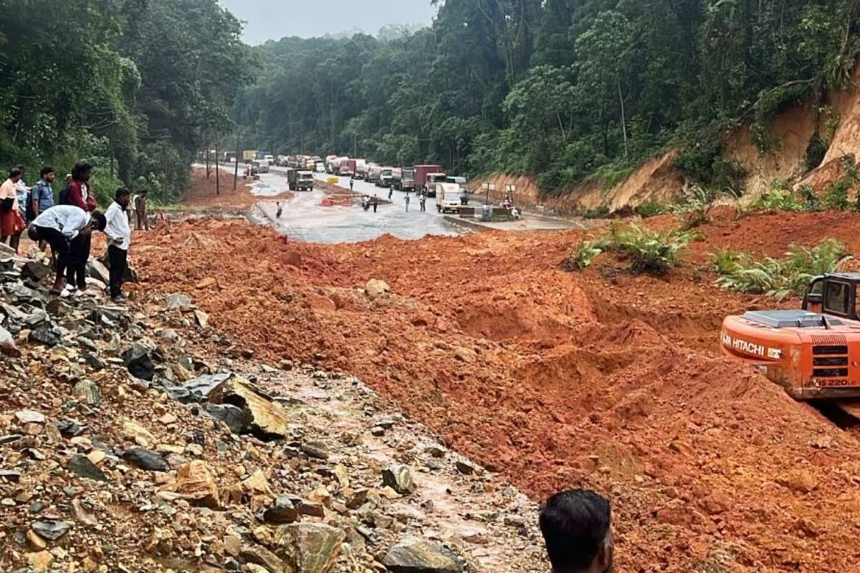
The Karbi Anglong Landslips situation affected transportation after minor landslides disrupted traffic movement on the Diphu-Manja road. According to the available information, falling debris and road obstructions created temporary challenges for commuters and highlighted the impact of heavy rainfall on hilly regions of Assam.
Cachar Border Watch Intensified as Administration Strengthens Night Patrolling
The Karbi Anglong Landslips have caused disruptions along the Diphu-Manja road as minor landslides affected normal traffic movement. According to the available information, the incidents created obstacles on the route, requiring attention from local authorities and road management teams.
Hilly areas often face landslide risks during periods of heavy rainfall because saturated soil can weaken slopes and affect road connectivity. Moreover, even minor landslides can create travel difficulties by blocking sections of important roads.
The latest development highlights the challenges faced by transport networks in mountainous regions. Therefore, regular monitoring and quick response measures remain important for maintaining safe movement along vulnerable routes.
The situation also underlines the importance of disaster preparedness in landslide-prone areas. Additionally, timely clearance operations can help reduce disruptions for residents and essential services.
Karbi Anglong Landslips Affect Traffic Movement on Diphu-Manja Road
The Karbi Anglong Landslips impacted traffic after minor landslide events disrupted movement along the Diphu-Manja road. According to the available information, debris from the landslides affected normal travel conditions on the important route.
Moreover, roads passing through hilly terrain require continuous monitoring during adverse weather conditions. Consequently, quick identification and removal of obstacles help maintain connectivity and reduce inconvenience for commuters.
The Diphu-Manja road serves as an important transportation link for local communities. Furthermore, maintaining road access becomes essential during periods of heavy rainfall when landslides become more likely.
The available information confirms that minor landslides disrupted traffic on the Diphu-Manja road. However, authorities have not released details regarding the exact locations affected, duration of disruption, or extent of clearance operations.
Authorities Monitor Karbi Anglong Landslips and Road Conditions
The Karbi Anglong Landslips situation requires continued observation as rainfall conditions influence slope stability and road safety. Local authorities typically monitor affected areas to assess risks and coordinate necessary responses.
Additionally, regular inspections help identify vulnerable sections of roads before larger disruptions occur. This approach supports safer transportation and improves emergency preparedness in hilly regions.
Road maintenance teams play an important role in restoring connectivity after landslide events. Meanwhile, officials continue evaluating conditions to ensure safe movement along affected routes.
The available information does not mention major damage to infrastructure or long-term road closures. Therefore, the current update focuses on temporary traffic disruptions caused by minor landslides on the Diphu-Manja road.
The situation remains under monitoring as weather conditions continue to change.
Karbi Anglong Landslips Highlight Need for Safer Hill Roads
The Karbi Anglong Landslips highlight broader challenges associated with maintaining transportation infrastructure in hilly regions. Landslides can affect road safety, emergency access, and daily movement for communities dependent on mountain routes.
Moreover, improving slope management and strengthening road protection systems can help reduce the impact of future landslide events. Better planning also supports safer and more reliable connectivity.
The disruption on the Diphu-Manja road demonstrates how weather-related events can quickly affect transportation networks. Similarly, continuous infrastructure monitoring helps authorities respond more effectively to natural hazards.
Strengthening resilience in hill areas remains an important development priority. Consequently, the Karbi Anglong Landslips situation emphasizes the need for regular road inspections, timely maintenance, and improved disaster preparedness.
As weather conditions evolve, future updates may provide additional information regarding road restoration, safety measures, and further developments in the affected areas.
Conclusion
The Karbi Anglong Landslips caused temporary traffic disruptions on the Diphu-Manja road after minor landslides affected movement along the route. The incident highlights the vulnerability of hilly roads during periods of heavy rainfall.
Furthermore, quick response and regular monitoring remain essential for maintaining connectivity and ensuring commuter safety in landslide-prone regions. Authorities continue assessing road conditions and managing challenges caused by natural events.
Overall, the Karbi Anglong Landslips reflect the importance of strengthening infrastructure resilience in Assam’s hill districts. As monitoring continues, future measures focused on road safety and disaster preparedness will remain important.
FAQs
1. What is the latest update on Karbi Anglong Landslips?
The Karbi Anglong Landslips caused traffic disruptions on the Diphu-Manja road due to minor landslide activity.
2. Which road was affected by the landslides?
The affected route was the Diphu-Manja road in Karbi Anglong.
3. What caused the landslides?
According to the available information, the landslides occurred during rainfall conditions that affected the hilly region.
4. Did the landslides cause major damage?
No major infrastructure damage has been reported in the available information. The main impact was temporary traffic disruption.
5. How are authorities responding to landslide incidents?
Authorities monitor affected areas, assess road conditions, and coordinate clearance efforts when required.