







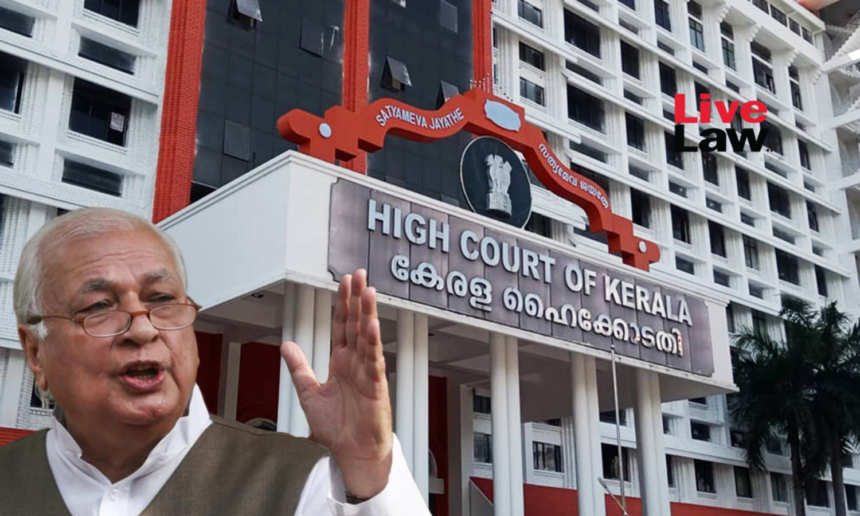
In a recent development, the ruling Communist Party of India (Marxist) or CPI(M) in Kerala expressed its disappointment with the Kerala High Court’s decision in favor of Priya Varghese, the wife of Chief Minister Pinarayi Vijayan’s private secretary, regarding her appointment in Kannur University. However, Governor Arif Mohammed Khan responded to the criticism, stating that the court’s ruling was not final and that individuals have the right to approach the Supreme Court for further recourse.
Governor Khan, who was in Chennai at the time, addressed the media, emphasizing that after a judgement is delivered by the High Court, it is within a person’s rights to seek relief from the Supreme Court. He asserted that he would wait for any potential appeals before making further comments on the matter. Governor Khan also refrained from discussing the specifics of the court’s decision.
The ruling CPI(M) expressed disappointment with the High Court’s verdict, considering it a setback for Governor Khan. They claimed that the decision undermined his authority and position. The controversy surrounding the appointment in Kannur University and the subsequent legal battle have escalated tensions between the ruling party and the governor’s office.
Priya Varghese’s appointment in Kannur University has been a subject of contention, with allegations of favoritism and nepotism being leveled against the Chief Minister’s office. The opposition parties have accused the government of using its influence to secure the appointment for Varghese, who is the wife of a close aide to the Chief Minister. The controversy gained attention and led to legal action, resulting in the recent ruling by the Kerala High Court.
The court’s decision has generated mixed reactions, with supporters of the ruling party applauding the verdict and opponents criticizing it as an example of political interference. The ruling CPI(M) has highlighted the High Court’s ruling as a blow to Governor Khan, suggesting that it curtails his authority to oversee appointments in universities.
Governor Khan’s response to the criticism indicates that he recognizes the right of individuals to seek recourse in higher courts and respects the legal process. By refraining from commenting on the judgement, he maintains his impartiality and upholds the principle of separation of powers.
The controversy surrounding the appointment in Kannur University and the subsequent legal battle raise important questions about transparency, fairness, and accountability in the recruitment process. The involvement of high-ranking officials and political connections in such appointments undermines public trust in the system and highlights the need for greater scrutiny and oversight.
As the case progresses, it remains to be seen whether Priya Varghese or any other party involved will exercise their right to approach the Supreme Court for further legal intervention. The Supreme Court’s potential involvement could bring additional clarity and resolution to the matter, providing a final verdict on the appointment in Kannur University.
In the meantime, the ruling CPI(M) and Governor Arif Mohammed Khan will continue to navigate the aftermath of the High Court’s ruling, with potential implications for the power dynamics and political landscape in Kerala. The controversy surrounding the appointment and the responses from all parties involved will shape the public’s perception of governance and justice in the state.

