




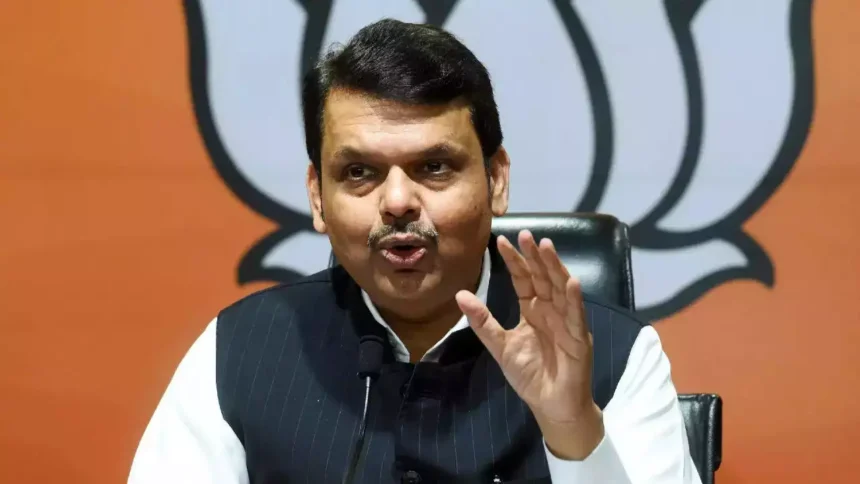
In a recent statement, Maharashtra Deputy Chief Minister Devendra Fadnavis vehemently refuted claims of Finance Minister Ajit Pawar favoring Nationalist Congress Party (NCP) MLAs supporting him in the allocation of funds for development work. Fadnavis asserted that legislators from the Bharatiya Janata Party (BJP) and Shiv Sena were also beneficiaries of the funds, emphasizing that it was misleading to suggest otherwise.
On Sunday, the Finance Minister, Ajit Pawar, presented supplementary demands amounting to Rs 41,243 crore for the financial year 2023-24. These supplementary demands serve as requests for additional funds from the government, aimed at addressing various development initiatives and urgent requirements beyond what was initially budgeted.
While presenting these demands, allegations surfaced, questioning whether Pawar had been partial to NCP MLAs who supported him, in the allocation of funds. However, Fadnavis staunchly dismissed these accusations, maintaining that the funds were distributed fairly across party lines. He underlined that both BJP and Shiv Sena legislators had also received allocations for development work, dispelling the notion that only supporters of Ajit Pawar were favored.
The issue of fund allocation and the subsequent allegations have raised concerns about transparency and the equitable distribution of resources. Maharashtra’s state legislature plays a crucial role in approving budgetary proposals, including supplementary demands, which determine the allocation of funds for various projects and initiatives. Consequently, any perception of preferential treatment could potentially lead to a loss of public trust in the democratic process.
Despite Fadnavis’ assertions, the matter has still sparked debates within the political landscape. Critics argue that even if funds were allocated to legislators from multiple parties, the timing and proportion of these allocations need to be scrutinized further. They contend that any significant discrepancies in the distribution of funds could raise questions about political motives and possible favoritism.
Supporters of the Deputy Chief Minister, on the other hand, believe that the allegations are merely politically motivated attempts to tarnish the reputation of Ajit Pawar and the coalition government. They argue that supplementary demands are standard practice to meet unforeseen expenses and that such requests are based on the needs of various constituencies.
It is important to note that the transparency and fairness of fund allocation are crucial for maintaining public confidence in the government’s ability to address the needs of the citizens effectively. To ensure greater accountability, demands for funds should be subject to robust scrutiny and oversight by independent bodies to prevent any undue influence or bias.
As the debate continues, the Maharashtra government faces the challenge of not only managing the state’s financial resources effectively but also demonstrating its commitment to impartiality in fund allocation. To dispel any lingering doubts, the government should consider establishing clear guidelines and a transparent mechanism for the distribution of funds.
Deputy Chief Minister Devendra Fadnavis has vehemently denied allegations of preferential treatment in the allocation of funds by Finance Minister Ajit Pawar. He asserted that funds were distributed fairly to legislators from all parties, including the BJP and Shiv Sena. However, the issue has sparked debates and raised concerns about transparency and equitable distribution of resources. To maintain public trust, it is imperative for the government to address these concerns and ensure that the allocation of funds is conducted with utmost fairness and accountability.