




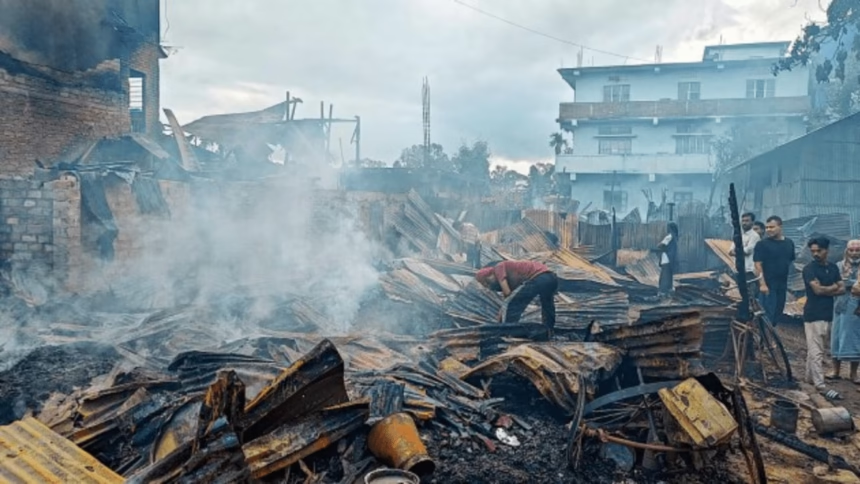
Manipur Violence Inquiry Panel received an official extension from the Central Government as authorities prolonged the operational timeline of the judicial commission investigating the violence in the state until late November 2026. According to officials, the extension will allow the commission to continue examining evidence, witness testimonies, and administrative records connected to the prolonged unrest in Manipur.
Meanwhile, the decision has renewed public and political attention on the continuing inquiry into one of the most serious periods of violence witnessed in the northeastern state in recent years. Consequently, legal experts, civil society groups, and political observers are closely monitoring the commission’s future findings and recommendations.
Girls Lead WBCHSE Higher Secondary Success
Himanta Sarma Secures Historic Assam Return
Central Government Extends Commission Timeline
According to officials, the Central Government approved the extension after reviewing the progress and scope of the ongoing judicial inquiry into the violence in Manipur.
Additionally, authorities stated that the commission requires more time to examine extensive documentation, security records, and witness accounts linked to multiple incidents across affected districts. Consequently, the panel will continue functioning until late November 2026.
Meanwhile, administrative officials emphasized that the inquiry remains important for establishing accountability and understanding the sequence of events connected to the violence.
Furthermore, legal observers noted that commissions investigating large-scale unrest often require extended timelines because of the complexity and sensitivity of the cases involved.
Judicial Panel Continues Investigation
The Manipur Violence Inquiry Panel extension allows investigators to continue reviewing several aspects of the unrest that affected different parts of the state.
According to reports, the commission has been examining issues involving violence, displacement, administrative response, and security management during the crisis period.
Additionally, officials indicated that investigators may continue collecting testimonies from victims, community representatives, security personnel, and administrative authorities. Consequently, the inquiry process is expected to remain active over the coming months.
Meanwhile, analysts observed that judicial commissions frequently play a major role in documenting events and recommending institutional reforms after periods of civil unrest.
At the same time, civil society groups stressed the importance of maintaining transparency throughout the inquiry process.
Violence Triggered National Attention
According to political observers, the violence in Manipur attracted widespread national attention because of the scale of the unrest and its humanitarian impact.
Additionally, clashes and instability across several districts raised concerns regarding public safety, ethnic tensions, and administrative preparedness. Consequently, the situation generated intense political debate and public scrutiny across India.
Meanwhile, humanitarian organizations and community groups repeatedly called for peace-building efforts, rehabilitation measures, and stronger conflict-resolution initiatives.
Furthermore, security experts noted that prolonged instability in sensitive northeastern regions can create broader governance and law-and-order challenges.
Experts Stress Importance Of Accountability
The Manipur Violence Inquiry Panel extension has also intensified discussions regarding accountability and institutional response mechanisms during periods of conflict.
According to constitutional experts, judicial commissions help governments review administrative actions and identify failures that may have contributed to violence or instability.
Additionally, legal analysts stated that comprehensive inquiries can support long-term policy reforms and conflict-prevention strategies. Consequently, the commission’s eventual recommendations may influence future governance and security measures in the state.
Meanwhile, human rights groups emphasized the importance of protecting witness credibility and ensuring fair investigative procedures throughout the inquiry.
At the same time, observers stated that public trust often depends on transparent handling of sensitive investigations involving violence and displacement.
Political Reactions Continue Across Region
According to reports, political parties and community organizations reacted strongly to the extension of the judicial inquiry commission.
Additionally, some leaders welcomed the move and argued that investigators require sufficient time to complete a thorough and impartial inquiry. Consequently, supporters of the extension described the decision as necessary for ensuring detailed examination of the violence.
Meanwhile, opposition figures questioned the pace of the investigation while demanding timely updates regarding progress and findings.
Furthermore, analysts observed that inquiries into communal or ethnic violence frequently become politically sensitive because of their broader social and administrative implications.
Public Focus Remains On Inquiry Findings
The Manipur Violence Inquiry Panel development continues attracting attention from residents, activists, and political observers across the Northeast.
According to experts, the final findings and recommendations of the commission may significantly influence future discussions regarding security management, rehabilitation policies, and communal harmony in Manipur.
Additionally, authorities continue monitoring the security situation and implementing administrative measures aimed at maintaining stability in sensitive districts. Consequently, the inquiry remains an important institutional process linked to the state’s recovery and reconciliation efforts.
Meanwhile, observers emphasized that lasting peace in the region will require continued dialogue, trust-building initiatives, and effective governance measures.
Conclusion
Manipur Violence Inquiry Panel received a deadline extension from the Central Government, allowing the judicial commission investigating the state violence to continue functioning until late November 2026. Meanwhile, officials stated that investigators require additional time to examine evidence, witness testimonies, and administrative records connected to the unrest in Manipur.
Furthermore, the extension has intensified debate regarding accountability, conflict resolution, and institutional transparency in the state. As the inquiry progresses, political observers, civil society groups, and affected communities are expected to closely monitor future findings and recommendations emerging from the commission.
FAQs
What did the Central Government extend?
The government extended the operational timeline of the judicial inquiry commission investigating Manipur violence.
Until when has the panel received the extension?
Authorities extended the commission’s term until late November 2026.
Which state is connected to the inquiry?
The inquiry relates to violence in Manipur.
Why did the commission receive more time?
Officials stated that investigators need additional time to examine evidence and witness testimonies.
What issues is the panel examining?
The commission is reviewing violence-related incidents, administrative response, and security management.
Why is the Manipur Violence Inquiry Panel development significant?
The Manipur Violence Inquiry Panel extension highlights the continuing importance of accountability and conflict assessment in Manipur.