





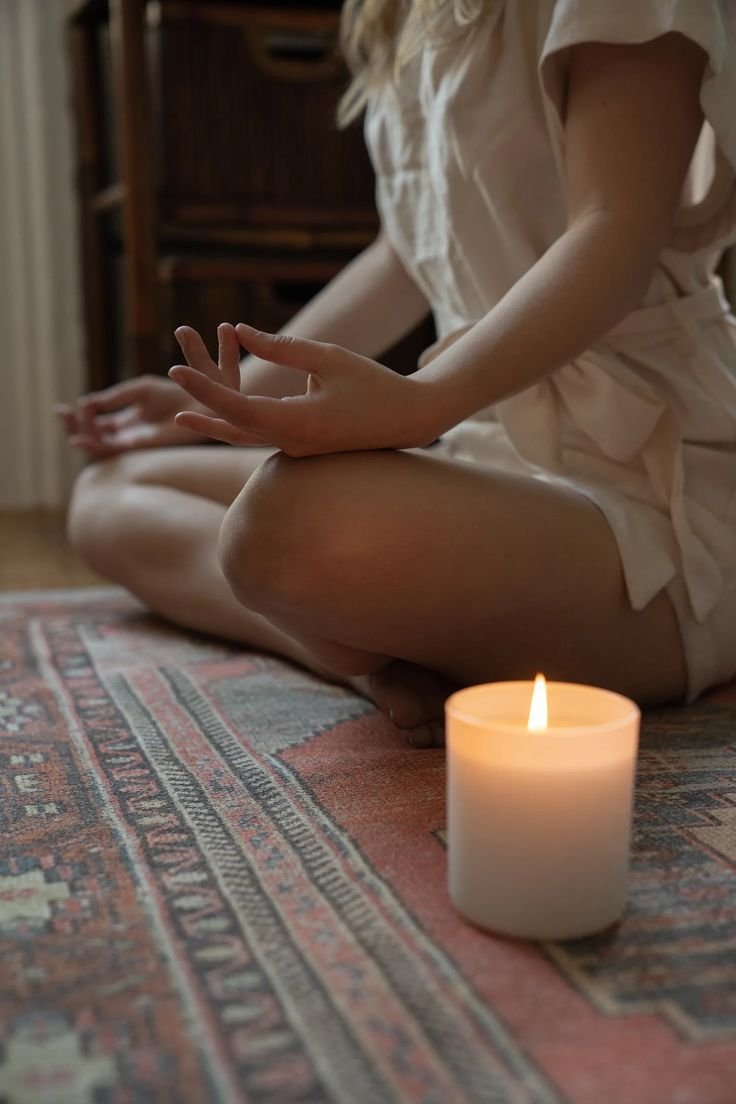
In 2025, meditation has become more than a spiritual practice—it is a mainstream wellness tool embraced by millions worldwide. With rising stress levels, digital distractions, and mental health challenges, people are turning to meditation techniques to find clarity, balance, and resilience. From mindfulness to transcendental meditation, these practices are reshaping healthcare, education, and even corporate culture.
Why Meditation Matters in 2025
Meditation is recognized globally as a necessity, not a luxury. According to experts, it helps:
- Reduce stress and anxiety.
- Improve focus and productivity.
- Enhance emotional regulation.
- Support physical health by lowering blood pressure and boosting immunity.
As technology accelerates and lifestyles become more demanding, meditation offers a timeless antidote to modern chaos.
Popular Meditation Techniques 2025
Mindfulness Meditation
Mindfulness involves focusing on the present moment without judgment.
- Benefits: Reduces anxiety, improves concentration.
- Practice: Sit quietly, observe your breath, and acknowledge thoughts without attachment.
- Widely used in schools, workplaces, and therapy sessions.
Transcendental Meditation (TM)
TM uses silent repetition of a mantra.
- Benefits: Deep relaxation, reduced stress hormones.
- Practice: 20 minutes twice daily with a chosen mantra.
- Popular among celebrities and executives seeking calm under pressure.
Chakra Meditation
Focuses on energy centers in the body.
- Benefits: Emotional balance, spiritual growth.
- Practice: Visualize colors and sounds associated with each chakra.
- Increasingly integrated into yoga and holistic healing.
Movement-Based Meditation
Includes practices like Tai Chi and Qigong.
- Benefits: Combines physical exercise with mindfulness.
- Practice: Gentle, flowing movements synchronized with breath.
- Effective for seniors and those seeking active meditation.
Meditation in Healthcare and Education
Meditation is now embedded in healthcare systems:
- Hospitals use mindfulness to reduce patient anxiety.
- Therapists integrate meditation into mental health treatment.
- Schools teach meditation to improve student focus and emotional resilience.
This mainstream adoption highlights meditation’s scientifically validated benefits.
Meditation in Corporate Culture
Businesses are embracing meditation to combat burnout:
- Google and Microsoft offer mindfulness programs.
- Executives practice TM to enhance decision-making.
- Meditation apps like Headspace and Calm are part of employee wellness packages.
Corporate leaders recognize that meditation boosts productivity, creativity, and workplace harmony.
Global Trends in Meditation
- Digital Wellness: Apps and VR meditation experiences are trending.
- Hybrid Practices: Combining meditation with fitness and nutrition.
- Community Meditation: Group sessions for collective healing.
- Scientific Research: Studies confirm meditation’s impact on brain plasticity and hormonal balance.
Tools and Technology for Meditation
Modern meditation is supported by technology:
- Wearables track stress and guide breathing.
- AI-powered apps personalize meditation routines.
- Virtual reality creates immersive meditation environments.
These innovations make meditation more accessible to younger generations.
FAQs on Meditation Techniques
Which meditation technique is best for beginners?
Mindfulness meditation is simple and effective for beginners.
How long should I meditate daily?
Experts recommend 10–20 minutes daily for noticeable benefits.
Can meditation replace therapy?
No, but it complements therapy by reducing stress and improving emotional regulation.
Is meditation religious?
Meditation is spiritual in origin but widely practiced as a secular wellness tool.
READ MORE; Drugstore vs. Luxury Brands 2025: Beauty Showdown
The meditation techniques 2025 movement proves that inner peace is achievable in a noisy world.
Start today—choose a technique that resonates with you, whether mindfulness, TM, or chakra meditation. Download a meditation app, join a local class, or simply take 10 minutes to breathe deeply. In 2025, meditation is not just a practice—it’s a lifeline for mental clarity and emotional resilience.