


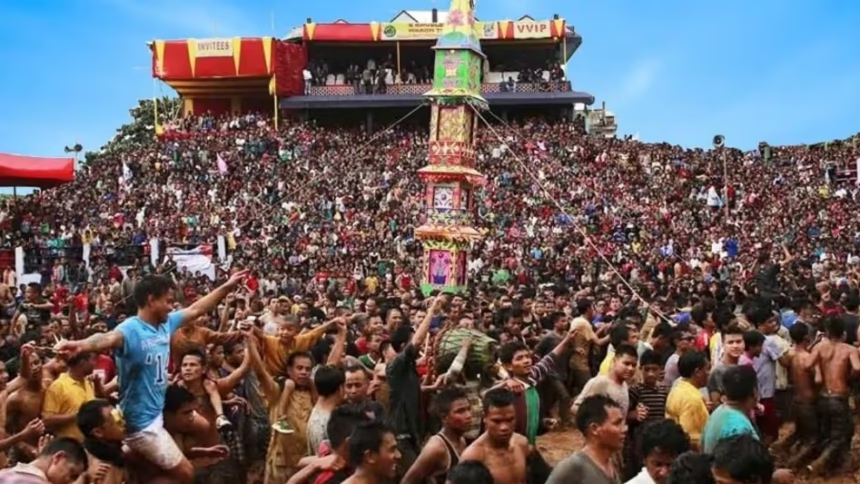
Meghalaya is celebrating the Behdienkhlam Festival on July 9, one of the most significant religious and cultural festivals of the Pnar community. Observed annually after the sowing season, the festival features sacred rituals, traditional dances, and prayers for a prosperous harvest, good health, and community well-being.
The celebrations include symbolic ceremonies to ward off disease and evil, the procession of massive wooden logs, and the traditional Dad-lawakor game. Every year, the festival attracts visitors from different parts of India while showcasing Meghalaya’s rich indigenous heritage and agricultural traditions.
Read More: Manipur Groups Seek NRC Before Census 2027
Key Facts
- State: Meghalaya
- Festival: Behdienkhlam Festival
- Community: Pnar community
- Date: July 9, 2026
- Season: Celebrated after the sowing season
- Purpose: Prayers for prosperity, good health, and a successful harvest
- Major Events: Sacred rituals, bamboo ceremonies, wooden log procession, Rots procession, Dad-lawakor traditional game
Meghalaya Celebrates Behdienkhlam Festival
Meghalaya is observing the Behdienkhlam Festival, one of the state’s most important indigenous cultural celebrations. The festival holds deep religious and agricultural significance for the Pnar community and takes place every year after the sowing season.
The name Behdienkhlam translates to “chasing away the demon of cholera.” Therefore, the festival symbolises the removal of disease, evil spirits, and misfortune while seeking divine blessings for peace, prosperity, and abundant agricultural produce.
Sacred Rituals Mark the Celebrations
The multi-day festival includes several sacred rituals performed under the guidance of the Daloi, the traditional chief of the Pnar community.
During the celebrations, young men visit homes and symbolically strike rooftops with bamboo poles. According to local tradition, this ritual drives away evil forces and protects families from illness and calamities.
Furthermore, community members gather to offer prayers for harmony, good health, and successful farming in the coming season.
Traditional Processions Draw Crowds
One of the festival’s biggest attractions is the ceremonial procession of massive wooden logs through the muddy grounds at Aitnar.
Meanwhile, participants perform energetic traditional dances accompanied by the rhythmic beats of drums and pipes. In addition, beautifully decorated wooden structures known as Rots are carried to a sacred pool as part of the religious ceremonies.
These colourful traditions reflect the artistic skills, cultural identity, and collective spirit of the Pnar community.
Dad-lawakor Brings the Festival to a Close
The celebrations conclude with Dad-lawakor, a traditional football-like game played using a wooden ball.
Teams representing the northern and southern regions compete in the match. According to local belief, the winning team symbolises which region will enjoy a more prosperous harvest during the coming year.
Consequently, the game remains one of the festival’s most anticipated and symbolic events.
Festival Preserves Indigenous Heritage
Behdienkhlam continues to preserve the rich cultural traditions of the Pnar community while strengthening social unity across the region.
Moreover, the festival offers visitors an opportunity to experience Meghalaya’s indigenous customs, traditional music, rituals, and vibrant celebrations firsthand. As a result, it has become one of the state’s most recognised cultural events.
Question & Answer
Q1. What is the Behdienkhlam Festival?
Answer: Behdienkhlam is an important religious and cultural festival celebrated by the Pnar community in Meghalaya after the sowing season.
Q2. What does Behdienkhlam mean?
Answer: The name means “chasing away the demon of cholera” and symbolises driving away disease, evil, and misfortune.
Q3. What are the major attractions of the festival?
Answer: The festival features sacred rituals, bamboo ceremonies, wooden log processions, traditional dances, Rots processions, and the Dad-lawakor traditional game.
Q4. What is Dad-lawakor?
Answer: Dad-lawakor is a traditional football-like game played with a wooden ball, and local belief associates the winning team with a prosperous harvest.
Q5. Why is the festival important?
Answer: The festival celebrates the Pnar community’s cultural heritage, promotes unity, and seeks blessings for peace, good health, and agricultural prosperity.
Location Context
Meghalaya, located in Northeast India, is renowned for its rich indigenous cultures and traditional festivals. The Behdienkhlam Festival highlights the unique heritage of the Pnar community and plays an important role in preserving the region’s cultural identity while attracting visitors from across India and beyond.