




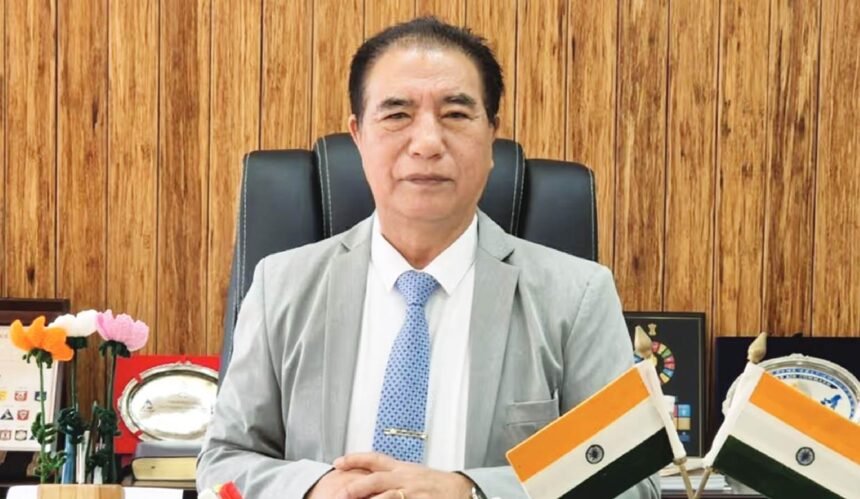
Mizoram Chief Minister Lalduhoma has faced criticism from opposition parties over his reported announcement of a parliamentary debate schedule for the proposed FCRA Bill before the Centre officially confirmed the programme. Opposition leaders have questioned the basis for announcing specific parliamentary proceedings before the Union government or Parliament formally released the schedule.
Shillong Parliamentary Vacancy: Electoral Bodies Advance Revision Tracking
The dispute adds another political layer to the ongoing controversy surrounding the proposed Foreign Contribution (Regulation) Amendment Bill, 2026. Moreover, opposition parties have already raised concerns about the legislation and demanded greater parliamentary scrutiny.
The disagreement also highlights the sensitivity surrounding parliamentary scheduling. However, claims about whether the Chief Minister prematurely announced the programme should remain attributed to the opposition unless official records establish the sequence of events.
Mizoram CM Faces Opposition Questions
Lalduhoma has come under opposition scrutiny following his reported comments about the timing of the FCRA Bill debate.
Opposition parties have questioned how the Chief Minister could announce a parliamentary schedule before the Centre formally confirmed it. Furthermore, they have sought clarity on whether Mizoram’s government had received any official communication regarding the proposed proceedings.
The controversy has consequently shifted attention from the bill’s provisions to the process surrounding its parliamentary consideration.
However, parliamentary business ultimately depends on official decisions and procedures at the Union level.
FCRA Bill Remains Politically Contentious
The proposed FCRA Amendment Bill has already generated strong political debate.
Opposition parties have expressed concerns about the potential impact of changes to foreign-contribution regulations on NGOs, minority institutions, and other organisations. Additionally, several opposition leaders have called for detailed parliamentary examination before the legislation advances.
The bill has therefore become an important point of confrontation between the government and opposition.
However, the final provisions and legislative timetable remain subject to Parliament’s formal process.
Opposition Questions Premature Announcement
The central criticism against Lalduhoma concerns the timing of his reported announcement.
Opposition parties argue that parliamentary schedules should come from the appropriate constitutional and parliamentary authorities. Therefore, they have questioned why a state Chief Minister would publicly announce a specific debate schedule before receiving formal confirmation.
The issue could prompt questions about communication between the Mizoram government and the Centre.
However, political leaders can sometimes discuss expected parliamentary business before formal schedules become public.
Centre’s Confirmation Becomes Key
The controversy ultimately depends on whether the Centre had formally confirmed the proposed FCRA debate when Lalduhoma made his statement.
If no official confirmation existed at that point, opposition parties could argue that the announcement created unnecessary confusion. Moreover, premature announcements can generate expectations among political parties and stakeholders.
If official communication had already reached Mizoram, however, the political criticism could lose some of its force.
Therefore, documentary evidence and official statements remain important for determining what happened.
Parliamentary Scheduling Follows Formal Procedures
Parliament follows established procedures for determining its legislative business.
The government decides which bills it seeks to introduce or consider, while the Houses operate through their respective parliamentary procedures and schedules. Furthermore, the final business programme can change because of political negotiations, procedural developments, or other parliamentary requirements.
Consequently, expected dates do not always become final dates.
The controversy surrounding the FCRA Bill demonstrates why formal confirmation matters.
Mizoram Politics Enters the Debate
The dispute also carries significance for Mizoram’s internal political landscape.
Lalduhoma’s government has faced strong political opposition on several issues involving the Centre and the state’s interests. Moreover, the FCRA debate has particular importance because churches and civil-society organisations in Mizoram have publicly expressed concerns about proposed changes to foreign-contribution regulations.
The Chief Minister’s position on the legislation could therefore attract close political attention.
However, criticism of the announcement should remain separate from debates over the substance of the FCRA Bill.
Churches and NGOs Watch Developments
Religious and civil-society organisations have followed the FCRA controversy closely.
Changes to foreign-contribution regulations could affect organisations that receive overseas funding for charitable, educational, humanitarian, or community programmes. Additionally, organisations may seek clarity regarding compliance requirements and enforcement mechanisms.
This wider concern has increased political interest in the proposed legislation.
However, the eventual impact will depend on the final wording of the bill and its implementation.
Opposition Seeks Greater Transparency
Opposition parties may use the controversy to demand greater transparency from both the Mizoram government and the Centre.
They could ask when Lalduhoma received information about the proposed parliamentary debate and whether any official communication supported his announcement. Furthermore, they may seek clarification about the government’s position on the FCRA legislation.
Such questions could keep the issue alive in the state legislature and public debate.
However, the controversy may subside if authorities provide a clear timeline of events.
FCRA Debate Could Become Larger Political Flashpoint
The scheduling dispute comes at a time when opposition parties are already resisting the proposed legislation.
The INDIA bloc has reportedly sought greater scrutiny of the FCRA Bill and demanded consideration of a Joint Parliamentary Committee. Moreover, Congress has raised separate concerns over the handling of recent student protests.
These disputes could converge during parliamentary proceedings.
Therefore, even a disagreement over scheduling could contribute to a broader political confrontation surrounding the bill.
Centre-State Relations Under Focus
The episode also highlights the relationship between state governments and the Union government.
Parliamentary legislation falls within the Union’s legislative domain, while state governments can express their political positions and concerns. Consequently, questions about who communicates parliamentary developments can become politically sensitive.
Mizoram’s position on the FCRA Bill could therefore become part of a broader debate over Centre-state coordination.
However, political disagreement does not necessarily indicate a breakdown in institutional communication.
What Happens Next?
The immediate question is whether the Centre will formally confirm the parliamentary timetable for the FCRA Bill.
If the schedule differs from Lalduhoma’s reported announcement, opposition parties may intensify their criticism. Conversely, if Parliament ultimately follows the same timetable, the controversy over the announcement could lose momentum.
Furthermore, the government’s response to opposition demands for greater scrutiny could determine the next phase of the FCRA debate.
The issue is therefore likely to remain politically significant until Parliament formally establishes its business schedule.
Conclusion
Mizoram CM Lalduhoma faces opposition questions over his reported announcement of an FCRA Bill debate schedule before official confirmation from the Centre. Opposition parties have questioned the timing and basis of the announcement, arguing that parliamentary business should rely on formal confirmation from the appropriate authorities.
Moreover, the controversy comes amid a wider political dispute over the proposed FCRA Amendment Bill, with opposition parties demanding greater scrutiny and raising concerns about its potential impact on NGOs and minority institutions.
Overall, the dispute highlights the importance of clear communication around parliamentary scheduling. Until the Centre and Parliament formally confirm the timetable, claims about specific debate dates should remain provisional. The larger FCRA debate, meanwhile, is likely to continue as political parties and affected organisations examine the proposed changes.
FAQs
1. Why is Lalduhoma facing criticism?
Opposition parties have questioned his reported announcement of an FCRA parliamentary debate schedule before the Centre formally confirmed the programme.
2. What is the FCRA Bill?
The proposed legislation seeks to amend India’s regulatory framework governing foreign contributions received by eligible individuals and organisations.
3. Why is the bill controversial in Mizoram?
Political and civil-society groups have raised concerns about how changes to foreign-contribution regulations could affect NGOs, churches, and other organisations.
4. Who formally determines Parliament’s business?
The Union government proposes legislative business, while Parliament conducts proceedings according to its established rules and procedures.
5. Could the controversy affect the FCRA debate?
It could increase political tension around the legislation, particularly if opposition parties continue demanding clarification over the parliamentary timetable and greater scrutiny of the bill.