




Mizoram has stepped up its Mizoram Disaster Management Alert as heavy rainfall continues to create road and landslide risks across the state. Disaster Management and Rehabilitation Minister Lalnilawma urged citizens to remain alert and report immediate blockages so authorities can respond quickly.
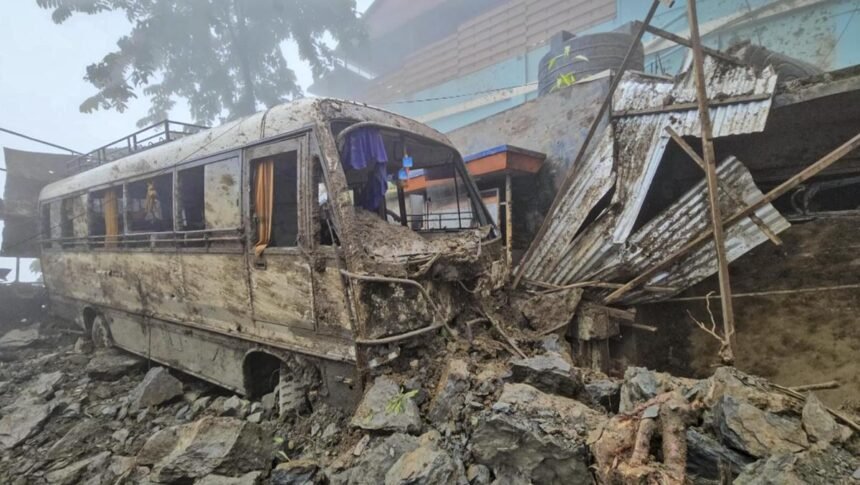
Recent rainfall has triggered landslides and disrupted roads at several locations, increasing the need for timely information from residents.
Moreover, the warning comes as authorities continue monitoring weather-related disruptions and coordinating responses to protect public safety.
Mangan Landslide Impact Partially Blocks Teesta and Chyakoong Rivers
Mizoram Disaster Management Alert Focuses on Immediate Reporting
The Mizoram Disaster Management Alert places particular emphasis on reporting road blockages and other immediate disruptions. Minister Lalnilawma issued the appeal through a video message as heavy rainfall affected several parts of the state.
Therefore, early reporting can help authorities identify affected locations more quickly. Information from residents can also support local agencies as they assess roads and determine where response measures may be required.
Meanwhile, the state’s hilly terrain makes road connectivity particularly vulnerable during periods of intense rainfall. Landslides can obstruct routes and create difficulties for regular movement.
The minister’s appeal consequently highlights the importance of cooperation between residents and disaster-response authorities during adverse weather.
Heavy Rainfall Triggers Landslides and Road Disruptions
The Mizoram Disaster Management Alert follows reports of landslides and road disruptions at multiple locations. Authorities are therefore facing the challenge of maintaining connectivity while monitoring areas vulnerable to further weather-related problems.
Additionally, heavy rainfall has affected transport infrastructure elsewhere in Mizoram. Recent soil erosion along the Jamira-Bairabi railway section disrupted train operations, prompting repair work to restore normal services.
Such disruptions demonstrate how sustained rainfall can affect different forms of connectivity. Roads, rail infrastructure and other essential networks can all face weather-related challenges.
However, the extent of disruption can vary between locations. Consequently, authorities need updated information from affected areas to prioritise response and restoration work.
Mizoram Disaster Management Alert Strengthens Community Vigilance
The Mizoram Disaster Management Alert also underlines the importance of community vigilance during periods of widespread rainfall. Residents can play an important role by promptly communicating information about road blockages and other immediate hazards to the relevant authorities.
Furthermore, timely information can help officials assess whether a route requires clearance, traffic control or additional monitoring. This approach can reduce delays in responding to developing situations.
The state government has also maintained disaster-management planning through the Mizoram State Disaster Management Authority. Official state information shows that authorities have reviewed the Mizoram State Disaster Management Plan 2026 along with district-level disaster-management plans.
Therefore, the latest public warning forms part of a broader disaster-preparedness framework rather than an isolated response.
Meanwhile, continued coordination between district administrations, road agencies and residents remains important while rainfall persists.
Authorities Continue Monitoring Weather-Related Risks
The Mizoram Disaster Management Alert comes at a time when weather conditions continue to require close monitoring. Heavy rain can quickly change road conditions, particularly in hilly areas where slopes remain vulnerable to landslides and soil movement.
Moreover, road blockages can affect access to towns, villages and essential services. Authorities therefore need timely information to assess disruptions and organise appropriate responses.
The recent impact on railway services also demonstrates the wider connectivity risks associated with prolonged rainfall. Repair teams have already begun work on the affected Jamira-Bairabi section following soil erosion.
Consequently, residents are being encouraged to remain cautious and communicate emerging problems rather than waiting for disruptions to worsen.
At the same time, official agencies must continue monitoring vulnerable routes and coordinating restoration efforts wherever required.
Conclusion
The Mizoram Disaster Management Alert highlights the state’s heightened vigilance amid widespread rainfall, landslides and road disruptions. Minister Lalnilawma urged citizens to stay alert and report immediate blockages so authorities can respond to problems more efficiently.
Furthermore, recent disruptions to roads and railway services demonstrate the wider impact that heavy rainfall can have on Mizoram’s connectivity. Continued public cooperation and official monitoring will remain important while adverse weather conditions persist
FAQs
1. What is the Mizoram Disaster Management Alert about?
The alert urges residents to remain vigilant during heavy rainfall and report immediate road blockages or related disruptions to authorities.
2. Who issued the rainfall-related warning?
Mizoram Disaster Management and Rehabilitation Minister Lalnilawma issued the public appeal.
3. What problems has the heavy rainfall caused?
Recent rainfall has triggered landslides and disrupted roads at several locations.
4. Has rainfall affected railway connectivity in Mizoram?
Yes. Soil erosion caused by heavy rainfall disrupted train operations on the Jamira-Bairabi section, where repair work has been undertaken.
5. Why is timely reporting important during heavy rainfall?
Prompt information can help authorities identify affected locations, assess road conditions and coordinate appropriate response measures.