





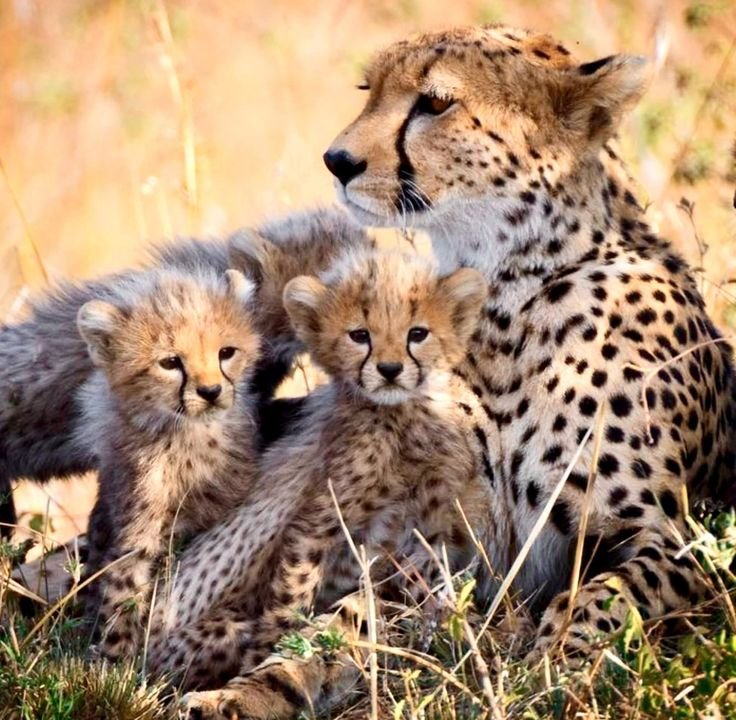
India’s ambitious cheetah reintroduction program has reached a historic milestone. Mukhi, the first Indian-born cheetah, has given birth to five healthy cubs, a moment that wildlife experts are calling a breakthrough in conservation. This birth not only symbolizes hope for the species but also validates India’s long-term efforts to restore cheetahs to their natural habitat.
Mukhi Cheetah Cubs and Their Significance
Mukhi’s journey is extraordinary. Born in India after decades of absence of cheetahs from the subcontinent, she was nurtured under close monitoring by wildlife authorities. Her successful reproduction marks the first time in modern history that an Indian-born cheetah has given birth in the country.
This event is being hailed as a turning point in India’s conservation narrative, proving that the reintroduction program is not just symbolic but biologically sustainable.
The Cheetah Reintroduction Program
India’s cheetah reintroduction program began with the translocation of cheetahs from Namibia and South Africa to Kuno National Park in Madhya Pradesh. The goal was to restore ecological balance and revive a species that went extinct in India in 1952.
- Why Cheetahs Matter: As apex predators, cheetahs play a crucial role in maintaining healthy prey populations and ecosystem balance.
- Global Collaboration: The program has been supported by international wildlife organizations, making it a model of cross-border conservation.
For more details on India’s cheetah project, visit the National Tiger Conservation Authority (outbound link).
Mukhi’s Cubs: A Symbol of Hope
The birth of five cubs is significant for several reasons:
- Genetic Continuity: It ensures that Indian-born cheetahs can sustain future generations without relying solely on imports.
- Population Growth: With each successful birth, India moves closer to establishing a stable cheetah population.
- Public Engagement: Mukhi’s story has captured national attention, inspiring citizens to support wildlife conservation.
Conservation Success and Challenges
While Mukhi’s cubs are a triumph, challenges remain:
- Habitat Expansion: India must secure larger grassland ecosystems to support growing cheetah populations.
- Human-Wildlife Conflict: Ensuring coexistence with local communities is critical.
- Long-Term Monitoring: Cubs require careful observation to ensure survival rates remain high.
Experts emphasize that sustained funding, policy support, and public awareness are essential for the program’s success.
Impact on Biodiversity
The cheetah’s return enhances India’s biodiversity:
- Grasslands and open forests will thrive under balanced predator-prey dynamics.
- Other species, such as antelopes and deer, benefit from healthier ecosystems.
- India strengthens its global reputation as a leader in conservation.
For related conservation efforts, see Project Tiger (outbound link).
Support India’s Wildlife Future
Mukhi’s cubs are more than just a conservation success—they are a call to action for every citizen. Protecting habitats, reducing human interference, and supporting eco-tourism can ensure that cheetahs thrive for generations.
READ MORE: DoNER Minister Scindia HLTF Meetings on Sports
Mukhi’s five cubs represent hope, resilience, and renewal. India’s cheetah reintroduction program has crossed a critical milestone, proving that with dedication and collaboration, extinct species can return to their rightful place in the wild.
As India celebrates this achievement, the message is clear: wildlife conservation is not just about saving species—it’s about preserving the soul of our ecosystems.