
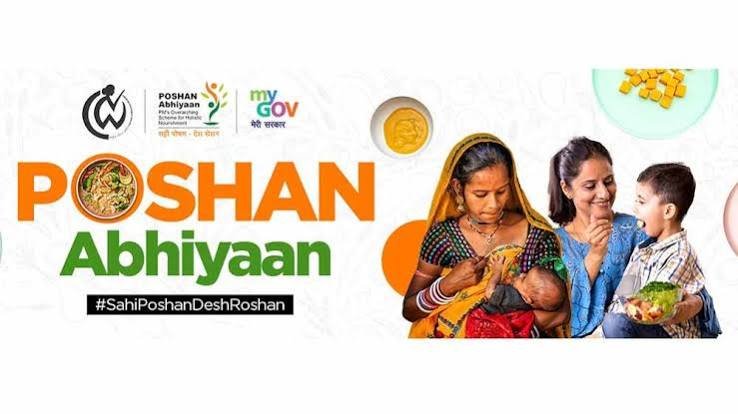
Nagaland Anganwadi Hot Cooked Meals have emerged as a key priority under Rashtriya Poshan Maah 2026, with the Social Welfare Department working in convergence with Health and Family Welfare, Agriculture and other departments. The initiative promotes fresh, diverse and nutritious meals while encouraging the use of locally available foods, pulses, millets and seasonal vegetables.
Mizoram Areca Nut Seizure: 12,000 Kg Consignment Worth ₹1.32 Crore Recovered
Nagaland Anganwadi Hot Cooked Meals Become Campaign Priority
Nagaland has placed fresh hot-cooked meals at Anganwadi Centres among the five major priorities of the 9th Rashtriya Poshan Maah 2026. The month-long campaign follows the theme “Hamari Anganwadi, Hamari Jimmedari”. It places community responsibility at the centre of nutrition and childcare services.
The Department of Social Welfare is coordinating the state campaign. Health and Family Welfare, Agriculture, Horticulture, School Education, NSRLM-RD and AYUSH departments are also supporting the initiative. Moreover, local administration and community institutions will support activities at the grassroots level.
The approach recognises that good nutrition requires more than sufficient calories. Instead, the programme encourages dietary diversity and adequate protein. It also promotes locally available nutritious foods.
Therefore, Anganwadi meal planning will receive greater attention during the campaign. Weekly menu rotation and healthy recipe demonstrations will showcase different meal options. Community tasting sessions will also encourage local participation.
The central Poshan Maah guidelines encourage millets, pulses and seasonal vegetables in hot-cooked meals. Furthermore, the guidelines stress hygienic preparation and quality assurance.
Protein Diversity Strengthens Anganwadi Nutrition
Adequate protein forms a central priority of Poshan Maah 2026. Consequently, Anganwadi activities will promote protein-rich foods. They will also demonstrate practical ways to include different food groups in daily diets.
In Nagaland, the campaign will include healthy recipe demonstrations and Poshan Melas. Protein-rich food campaigns will also form part of the activities. Additionally, communities will learn more about locally available nutritious ingredients.
Pulses can provide an important plant-based protein source. Other local foods can also contribute to a varied diet. However, individual Anganwadi Centres will follow approved menus and local implementation plans.
The emphasis on dietary diversity also encourages families to look beyond one staple food. Therefore, different grains, pulses and seasonal vegetables can make meals more varied.
Moreover, the campaign connects Anganwadi nutrition with household food practices. Demonstrations and tasting sessions can give parents and caregivers practical meal ideas.
This community-based approach is relevant because Anganwadi Centres support nutrition, childcare and early learning. Consequently, better meal quality can support the wider objectives of Anganwadi services.
Fresh Meals and Menu Rotation Improve Service Quality
The 2026 Poshan Maah guidelines call for fresh and diverse hot-cooked meals. They also recommend weekly menu rotation. This approach aims to improve meal quality and encourage regular participation at Anganwadi Centres.
Weekly rotation can help centres use different locally available ingredients. Furthermore, it can reduce repetitive menus and encourage dietary variety.
The programme also calls for live hot-cooked meal demonstrations. These demonstrations can show suitable ingredients and balanced meal combinations. They can also highlight hygienic preparation practices.
Community tasting sessions will provide another opportunity for participation. Parents, Panchayats, Self Help Groups and Anganwadi Management Committees can join these activities. They can observe meal preparation and provide feedback.
Additionally, the government has introduced community accountability measures through Anganwadi Management Committees. Supplementary Nutrition Programme Menu Boards can also make daily menus and beneficiary entitlements more visible.
Therefore, frontline workers will not carry the entire responsibility for meal quality. Community members can help monitor menu adherence, meal quality and service regularity.
The approach also supports transparency. Visible menus can help families understand the nutrition services available at their local Anganwadi Centres.
Nagaland Anganwadi Hot Cooked Meals Support Wider Child Development
Nutrition remains closely linked with early childhood development. Accordingly, Poshan Maah 2026 connects dietary improvement with early stimulation and responsive caregiving.
The campaign gives special attention to the first 1,000 days of a child’s life. During this period, adequate nutrition and responsive care can support healthy growth and development.
Anganwadi Centres therefore have responsibilities beyond meal distribution. They also support growth monitoring, early learning, home visits and community awareness.
Moreover, the campaign will promote age-appropriate learning through initiatives such as Navchetna and Aadharshila. This approach connects children’s nutrition with their growth and learning.
Health and Family Welfare officials can also strengthen coordination around maternal and child nutrition. Meanwhile, Agriculture and Horticulture departments can promote locally available foods and indigenous food practices.
Consequently, the convergence model can connect nutrition services with local food production and community resources.
For Nagaland, the focus on fresh meals also creates an opportunity to improve awareness of balanced diets. However, the results will depend on consistent implementation and food quality. Menu adherence and community participation will also matter.
As the campaign continues, Anganwadi Centres will remain central to Nagaland’s nutrition efforts. Therefore, Nagaland Anganwadi Hot Cooked Meals form part of the wider Poshan Maah strategy rather than a standalone food programme.
Conclusion
Nagaland Anganwadi Hot Cooked Meals are receiving greater attention under Poshan Maah 2026. The state is promoting dietary diversity, adequate protein and fresh meal preparation. Weekly menu rotation will also support the approach.
Moreover, Social Welfare, Health, Agriculture and community institutions are working through a convergence model. This coordination can strengthen nutrition services and community monitoring at the grassroots level.
The success of the initiative will depend on consistent implementation. Food quality, menu adherence and community participation will remain important factors. Therefore, the campaign places both nutrition and community responsibility at the centre of Anganwadi services.
FAQs
What is the main focus of Nagaland Anganwadi hot-cooked meals?
The focus is on fresh, diverse and nutritious meals. The programme also encourages adequate protein and locally available foods.
Which departments are supporting the nutrition campaign?
The Social Welfare Department coordinates the campaign. Health and Family Welfare, Agriculture, Horticulture, School Education, NSRLM-RD and AYUSH also support the initiative.
What foods are encouraged under the hot-cooked meal approach?
The national guidelines encourage ingredients such as millets, pulses and seasonal vegetables. They also promote dietary diversity and locally available foods.
How will communities participate in meal monitoring?
Parents, Panchayats, Self Help Groups and Anganwadi Management Committees can join tasting sessions. They can also help monitor meal quality and menu adherence.
Why are fresh meals important for Anganwadi services?
Fresh and diverse meals can strengthen the nutrition component of Anganwadi services. They can also support wider goals related to child growth, early development and healthy eating practices.