






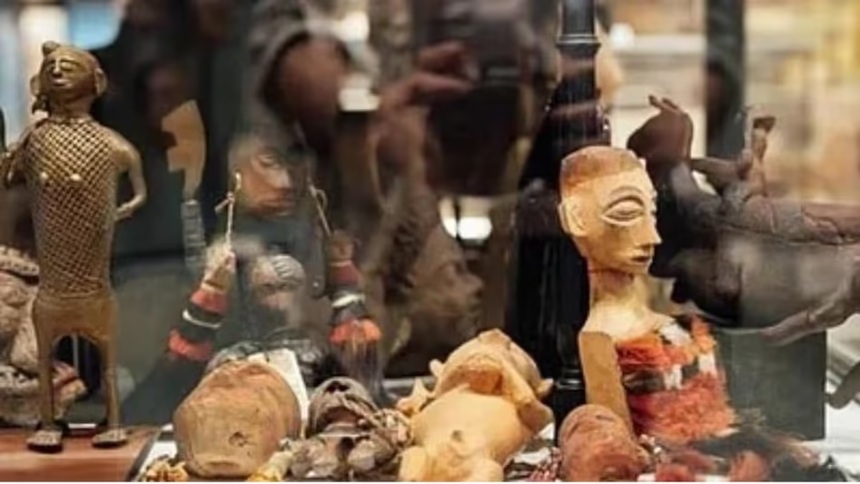
More than 39 sets of Naga ancestral human remains, held at the Pitt Rivers Museum at the University of Oxford in the United Kingdom for over a century, are set to return to Nagaland. The remains will be displayed at Solidarity Park for two to three days, allowing members of the Naga community to pay their respects before the burial ceremony.
The return will include two major programmes: a homecoming ceremony and a burial ceremony. Naga organisations and community representatives have played a key role in securing the repatriation. The development marks an important moment in the effort to restore ancestral dignity and address the legacy of colonial-era collections.
Read More: Arunachal Fire Kills Four in Kurung Kumey
Key Facts About the Repatriation
- Number of Remains: More than 39 sets of ancestral human remains
- Origin: Naga region, Northeast India
- Previous Location: Pitt Rivers Museum, University of Oxford, UK
- Destination: Nagaland
- Public Display: Solidarity Park for two to three days
- Ceremonies: Homecoming and burial ceremonies
- Key Organisation: Forum for Naga Reconciliation (FNR)
- Other Contributors: Naga Students’ Federation (NSF) and Naga People’s Movement for Human Rights
- Purpose: Cultural restoration, ancestral dignity and traditional burial
Naga Ancestral Remains to Be Displayed Before Burial
Dr Visier Sanyü, a member of the Forum for Naga Reconciliation (FNR), said organisers would conduct two programmes to mark the return of the ancestral remains.
The first programme will welcome the remains back to Nagaland through a homecoming ceremony. Subsequently, organisers will conduct a burial ceremony to lay them to rest.
Before the burial, the remains will stay at Solidarity Park for approximately two to three days. This arrangement will allow members of the public to visit the site and pay their respects to their ancestors.
Sanyü also expressed gratitude to the Naga Students’ Federation and the Naga People’s Movement for Human Rights for donating land for the final resting place.
Oxford Museum Formally Hands Over More Than 39 Sets of Remains
The Pitt Rivers Museum at the University of Oxford has formally handed over more than 39 sets of Naga ancestral remains to facilitate their return to Nagaland.
The remains left the Naga region during the colonial period, more than 100 years ago. They later became part of the museum’s collections in the United Kingdom.
For generations, their presence overseas remained an important historical and cultural concern for the Naga community.
The repatriation follows sustained efforts by Naga organisations, representatives and community members to bring their ancestors back to their homeland.
Repatriation Seen as an Assertion of Naga Rights
Dr Ellen Konyak Jamir, coordinator of Recover, Restore and Decolonise (RRaD), described the repatriation as an assertion of the Naga people’s rights over their ancestral human remains.
She explained that the remains had remained in the custody of others for more than 100 years. Their return now creates an opportunity for the Naga community and the museum to address historical difficulties through continued dialogue.
Jamir also highlighted the importance of the sustained discussions that made the repatriation process possible.
The initiative goes beyond the physical return of human remains. It also represents an effort to restore cultural dignity and acknowledge the historical experiences of indigenous communities.
Why Is the Repatriation Important for the Naga Community?
The return of the ancestral remains carries deep cultural, historical and emotional significance for the Naga people.
During the colonial period, human remains from several indigenous communities entered overseas museum collections. Their repatriation now offers those communities an opportunity to reclaim their ancestral heritage.
For the Naga community, the homecoming and burial ceremonies will provide an opportunity to honour their ancestors through culturally appropriate final rites.
The development also highlights the importance of cooperation between indigenous communities and international institutions in addressing colonial-era collections.
Questions and Answers
1. How many Naga ancestral remains are returning to Nagaland?
More than 39 sets of ancestral human remains are being repatriated from the Pitt Rivers Museum at Oxford University.
2. Where will the remains be kept before burial?
The remains will be displayed at Solidarity Park in Nagaland for approximately two to three days.
3. What ceremonies will mark their return?
The organisers will conduct a homecoming ceremony followed by a burial ceremony.
4. Which organisations supported the initiative?
The Forum for Naga Reconciliation, Naga Students’ Federation and Naga People’s Movement for Human Rights have contributed to the process.
5. Why is this return significant?
It allows the Naga community to bring their ancestors home, restore their dignity and perform final rites according to their traditions.
Nagaland’s Cultural Heritage and Indigenous Rights
Nagaland’s cultural identity is deeply connected to ancestral traditions, community history and respect for previous generations. Therefore, the return of these remains represents an important milestone for indigenous heritage protection across Northeast India.
The planned ceremonies will give the Naga community an opportunity to welcome their ancestors home and provide them with a final resting place after more than a century abroad.
Also Read: Pradyot Advises New TTAADC Executive Members