






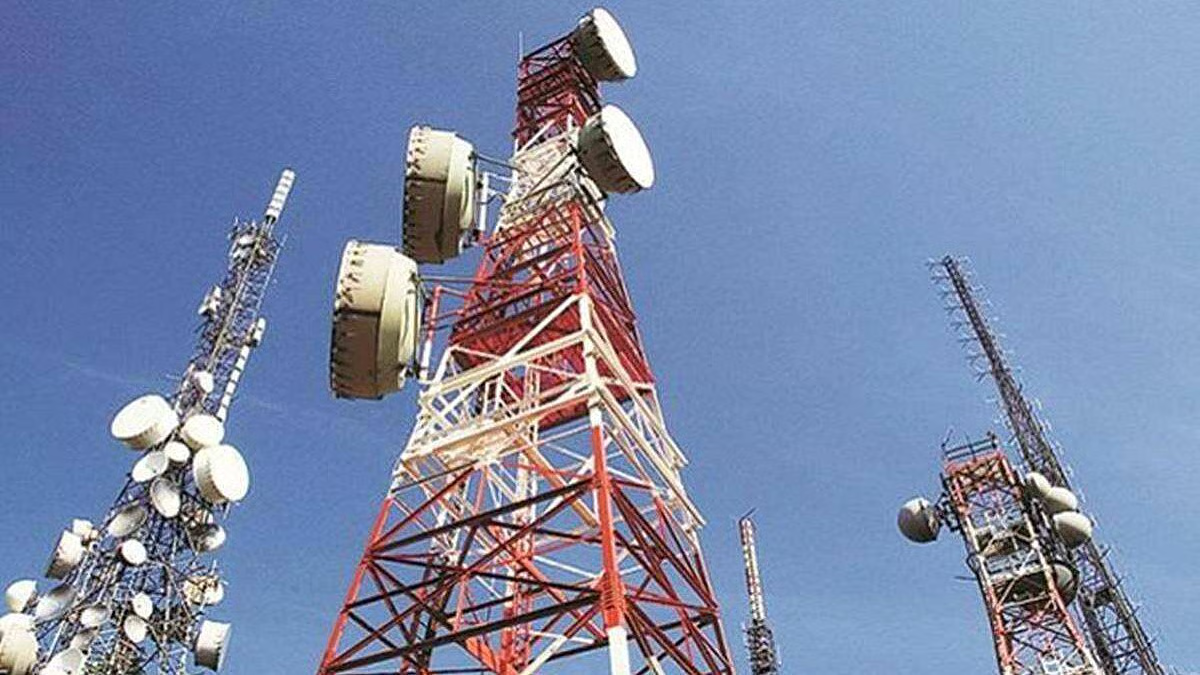
The Centre continues to expand mobile connectivity across remote and border villages in Northeast India through government-funded telecom infrastructure projects. The Digital Bharat Nidhi supports tower installation in areas where commercial network expansion remains difficult. The initiative aims to improve access to mobile services, digital education, healthcare and e-governance. Government data shows that 3,718 mobile towers had been commissioned across the Northeast by December 2025 under various government-funded projects. These installations covered 5,366 villages and locations. However, a separate approval of more than 500 new towers specifically for Northeast border villages remains unverified.
Gauhati High Court Quashes Pranab Doley’s NSA Detention
Government Pushes Telecom Connectivity in Border Areas
Mobile connectivity remains a major infrastructure priority for India’s northeastern region.
The region’s mountainous terrain, scattered settlements and difficult road access create challenges for telecom companies. Consequently, private operators may find some remote locations commercially difficult to serve.
The Centre addresses these gaps through the Digital Bharat Nidhi. The fund supports telecom infrastructure in underserved rural, remote and border areas.
The government also coordinates with state administrations and telecom service providers. This approach helps identify locations that require additional network coverage.
Furthermore, improved connectivity supports essential public services. Residents can access digital government platforms, online education and telemedicine.
The programme also strengthens communication facilities in strategically important border settlements.
Over 3,700 Government-Funded Towers Commissioned
Official figures provide a picture of the Northeast’s telecom expansion.
By December 2025, the government had commissioned 3,718 mobile towers across the region under various funded projects.
These installations provided connectivity to 5,366 villages and locations.
The figures cover multiple schemes rather than one newly approved tower package.
Earlier, government data showed that 2,485 towers had been commissioned under Digital Bharat Nidhi schemes by June 2025. Those installations covered 3,389 villages and locations.
The figures demonstrate continued progress in extending mobile services across underserved communities.
However, commissioned towers and newly approved towers represent different stages of project implementation. Authorities must complete installation and commissioning before residents can use the resulting network services.
Arunachal Pradesh Remains a Key Connectivity Priority
Arunachal Pradesh presents particular challenges for telecom infrastructure development.
Many settlements lie in mountainous and remote border districts. Difficult terrain, forest clearances and limited road access can delay construction.
The government has therefore included the state in several targeted telecom development initiatives.
A parliamentary committee report recorded progress under the project covering uncovered villages in Arunachal Pradesh and two Assam districts.
By April 2025, authorities had installed and commissioned 468 sites in Arunachal Pradesh. These installations covered 926 villages out of the executable target of 1,042 villages.
The project originally planned 531 tower sites.
However, some locations faced implementation difficulties. These included access problems, land-record issues and pending clearances.
The government continues to pursue additional connectivity through funded telecom schemes.
Digital Bharat Nidhi Supports Remote Network Expansion
Digital Bharat Nidhi provides financial support for telecom infrastructure in areas where regular commercial investment may not be viable.
The fund supports projects involving mobile towers and related network facilities.
Its schemes cover uncovered villages, highways and remote border locations.
The Comprehensive Telecom Development Plan for the Northeast also aims to improve coverage in underserved areas.
These projects seek to extend mobile services to communities that remain outside reliable network coverage.
Additionally, government-funded installations can help telecom operators provide services in difficult locations.
The approach combines public financial support with implementation by authorised telecom service providers.
4G Connectivity Continues to Expand Across the Northeast
The Centre has also focused on expanding 4G services across the region.
According to government figures released in August 2025, 42,093 of the Northeast’s 45,934 villages had mobile connectivity as of June 2025.
Among these, 40,663 villages had 4G coverage.
The state-wise figures showed different levels of connectivity.
Assam had mobile coverage in 26,007 villages. Arunachal Pradesh had coverage in 4,258 villages.
Meghalaya recorded 6,424 connected villages. Manipur had 2,219.
Nagaland reported 1,235 villages with mobile connectivity. Mizoram recorded 755.
Tripura had coverage in 742 villages, while Sikkim recorded 453.
These figures highlight the continuing need to improve last-mile connectivity, particularly in remote settlements.
They also show why targeted investment remains important for states with difficult geographical conditions.
Border Connectivity Supports Security and Public Services
Telecom infrastructure provides benefits beyond ordinary mobile communication.
Reliable networks can improve access to emergency services and government information.
Residents can also use digital platforms for banking, education and healthcare.
In border villages, communication infrastructure has additional strategic importance.
Better connectivity can support coordination between local administrations and relevant security agencies.
The Vibrant Villages Programme also identifies telecom connectivity as an important area of border development.
Its wider objectives include improving livelihoods, infrastructure and essential services in strategically located villages.
The programme promotes better living conditions and stronger connections between border communities and the national development network.
Right-of-Way Reforms Aim to Speed Up Tower Installation
The Centre has introduced policy measures to simplify telecom infrastructure deployment.
The Telecommunications (Right of Way) Rules, 2024 aim to make permissions for telecom infrastructure easier and faster.
The Gati Shakti Sanchar Portal also supports coordination and processing of right-of-way applications.
Additionally, the government has amended telecom licensing conditions to remove certain restrictions on installing mobile towers near international borders.
These changes can help telecom operators plan infrastructure projects more efficiently.
Nevertheless, difficult terrain, environmental requirements and land-related issues can still affect implementation timelines.
State-level coordination therefore remains important for completing projects in remote areas.
Northeast’s Digital Infrastructure Needs Continued Investment
The expansion of mobile networks remains essential for the Northeast’s long-term development.
Reliable connectivity can support small businesses, tourism and local entrepreneurship.
Farmers can access market information and digital agricultural services. Students can use online learning platforms.
Healthcare facilities can also benefit from telemedicine and digital consultations.
However, network availability alone does not guarantee reliable services. Authorities and telecom operators must also address power supply, maintenance and network quality.
Remote tower sites require dependable electricity and regular technical support.
Furthermore, authorities must ensure that new installations reach genuinely underserved settlements.
Conclusion
The Centre continues to strengthen mobile connectivity across Northeast India through Digital Bharat Nidhi and other government-funded telecom projects. By December 2025, 3,718 towers had been commissioned across the region, covering 5,366 villages and locations. Arunachal Pradesh and other remote states remain important priorities. Right-of-way reforms and targeted border development programmes can support further expansion. However, the specific claim that more than 500 new towers have received approval for Northeast border villages requires official confirmation.
FAQs
1. What is Digital Bharat Nidhi?
Digital Bharat Nidhi is a government fund that supports telecom connectivity in underserved rural, remote and border areas.
2. How many government-funded towers had been commissioned in Northeast India by December 2025?
The government reported 3,718 commissioned mobile towers across the region.
3. How many villages and locations received coverage from these towers?
The installations covered 5,366 villages and locations.
4. Which Northeast state faces major geographical challenges for telecom expansion?
Arunachal Pradesh faces significant challenges because of its mountainous terrain and remote border settlements.
5. How does better mobile connectivity benefit border villages?
It improves access to emergency communication, digital education, healthcare, banking and government services.
6. Has the Centre officially confirmed approval of more than 500 new Northeast border towers?
The specific approval figure could not be confirmed from the official records reviewed for this article.