





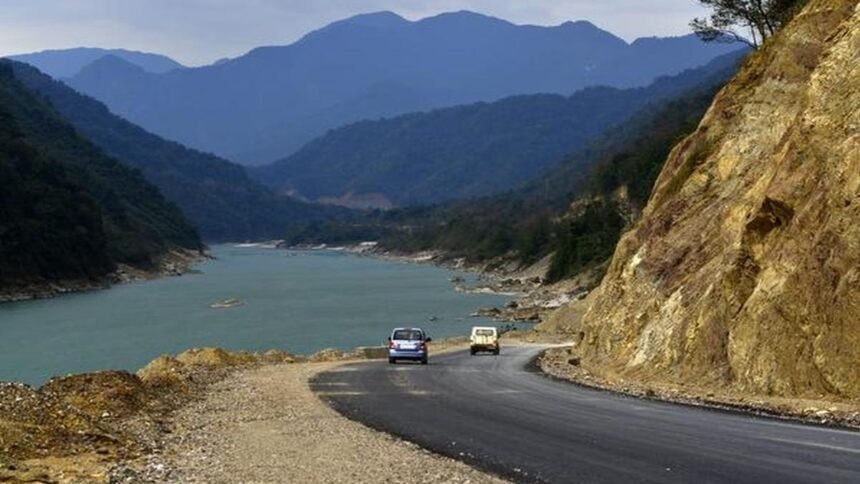
The Pasighat Flooding situation has worsened after the Siang River rose rapidly, placing several low-lying areas of Pasighat on red alert. According to the available information, the sharp increase in river levels has heightened flood concerns, prompting authorities to closely monitor the situation and prepare emergency response measures.
Heavy Mudslides Near Sela Pass Temporarily Cut Off Connectivity
The Pasighat Flooding update reflects the growing impact of persistent monsoon rainfall in Arunachal Pradesh. According to the available information, rising water levels in the Siang River have increased the risk of flooding in vulnerable communities located along the riverbanks.
The Siang River is one of the state’s major waterways, and rising water levels during the monsoon season can significantly affect nearby settlements, agriculture, and transportation. Moreover, low-lying areas remain particularly vulnerable when river levels increase rapidly.
The latest development underscores the importance of continuous river monitoring and timely disaster preparedness. Therefore, authorities remain on alert while assessing flood risks and coordinating precautionary measures.
The situation also highlights the need for residents to remain informed through official advisories. Additionally, early warning systems play a crucial role in reducing the impact of flood-related emergencies.
Pasighat Flooding Raises Concern as Siang River Crosses Alert Levels
The Pasighat Flooding situation intensified after the Siang River swelled rapidly, placing low-lying areas under a red alert. According to the available information, authorities are closely monitoring water levels to evaluate the evolving flood risk.
Moreover, rapidly rising river levels can inundate nearby settlements and disrupt transportation, agriculture, and public services. Consequently, disaster management agencies remain prepared to respond if conditions worsen.
Pasighat, located along the Siang River, frequently experiences heightened flood risks during periods of intense monsoon rainfall. Furthermore, regular monitoring allows officials to issue timely warnings and coordinate emergency preparedness.
The available information confirms that low-lying areas have been placed on red alert due to rising river levels. However, authorities have not released details regarding the exact water level, the number of affected localities, or whether evacuations have been ordered.
Authorities Monitor Pasighat Flooding and River Conditions
The Pasighat Flooding update has prompted disaster management agencies and local authorities to closely observe river conditions. Officials continue evaluating water levels while preparing to implement response measures if required.
Additionally, emergency teams remain ready to assist communities should flooding intensify. This coordinated approach helps improve public safety and supports timely disaster response during periods of severe weather.
Flood monitoring remains essential as rainfall continues across the region. Meanwhile, authorities are assessing vulnerable areas and maintaining communication with local communities.
The available information does not mention any confirmed casualties, property damage, or large-scale displacement linked to the current red alert. Therefore, the update focuses on the precautionary measures following the rapid rise of the Siang River.
The situation remains under close observation as weather conditions continue to evolve.
Pasighat Flooding Highlights Need for Flood Preparedness
The Pasighat Flooding situation highlights the importance of effective flood preparedness in riverine regions. Rising river levels during the monsoon can threaten homes, infrastructure, and livelihoods if timely precautions are not taken.
Moreover, investments in flood forecasting, embankment protection, and community awareness can strengthen resilience against future flooding. Consequently, coordinated planning remains essential for reducing flood-related risks.
The red alert issued for low-lying areas demonstrates the importance of early warning systems in protecting vulnerable communities. Similarly, cooperation between weather agencies, disaster management authorities, and local residents remains vital during the monsoon season.
Strengthening flood resilience continues to be a long-term priority for Arunachal Pradesh. Therefore, the Pasighat Flooding update reinforces the value of preparedness, continuous monitoring, and proactive disaster management.
As river conditions change, future official updates may provide additional information regarding water levels, precautionary measures, and any further developments.
Conclusion
The Pasighat Flooding situation has placed low-lying areas on red alert after the Siang River swelled rapidly due to persistent monsoon rainfall. The development highlights the growing flood risk in vulnerable parts of Pasighat.
Furthermore, authorities continue monitoring river levels while preparing for any necessary emergency response. Timely advisories, coordinated planning, and public cooperation remain essential for minimizing the impact of potential flooding.
Overall, the Pasighat Flooding update underscores the importance of flood preparedness and vigilant monitoring during the monsoon season. As the situation evolves, additional official updates are expected regarding river conditions and response measures.
FAQs
1. What is the latest update on Pasighat Flooding?
The Pasighat Flooding update confirms that the Siang River has risen rapidly, placing low-lying areas of Pasighat on red alert.
2. Why was a red alert issued?
The red alert was issued because rapidly rising water levels in the Siang River increased the risk of flooding in vulnerable areas.
3. Which river is responsible for the flood threat?
The flood threat is linked to the Siang River in Arunachal Pradesh.
4. Have evacuations been announced?
The available information does not mention any evacuation orders.
5. Are authorities monitoring the situation?
Yes. Authorities are closely monitoring river levels and preparing response measures as needed.