




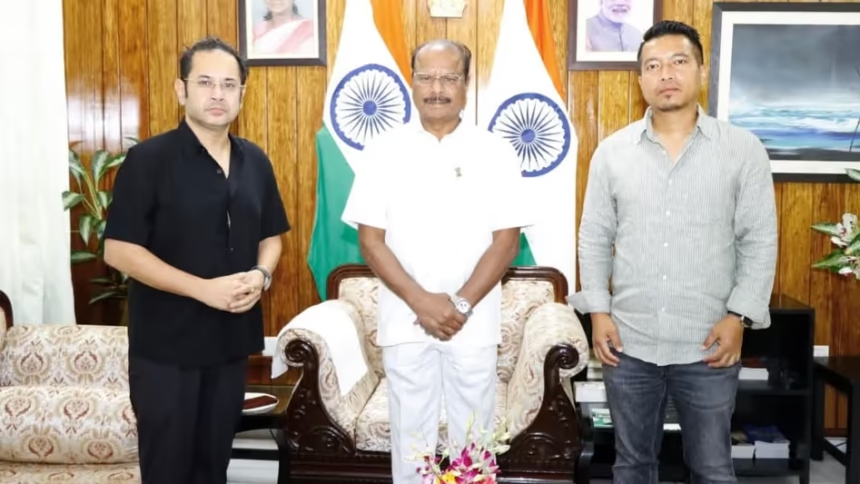
Tipra Motha Party founder Pradyot Kishore Manikya Debbarma on August 26 sought Tripura Governor Indrasena Reddy Nallu’s intervention over around 18 bills passed by the Tripura Tribal Areas Autonomous District Council (TTAADC). Debbarma met the Governor along with TTAADC Chief Executive Member Runiel Debbarma. He said several bills have remained pending at different stages for years.
The proposed laws cover issues including land rights, administrative reforms, recruitment policy and customary laws. Debbarma urged the Governor to examine the delay and uphold the spirit of the Sixth Schedule of the Constitution.
Read More: Sikkim CEO Rejects SIR Death Claims
Key Facts
- Location: Tripura
- Date: August 26, 2026
- TTAADC leader: Runiel Debbarma
- Tipra Motha founder: Pradyot Kishore Manikya Debbarma
- Governor: Indrasena Reddy Nallu
- Pending bills: Around 18
- Key subjects: Land rights, recruitment, administrative reforms and customary laws
- Constitutional framework: Sixth Schedule
- Reported pending period: Bills dating back to around 2007
Pradyot Debbarma Meets Tripura Governor
Pradyot Kishore Manikya Debbarma met Governor Indrasena Reddy Nallu on Wednesday, August 26, along with TTAADC Chief Executive Member Runiel Debbarma.
During the meeting, Debbarma asked the Governor to examine the status of several bills that the tribal council has passed over the years.
He said around 18 bills remain pending at different stages and cannot take effect as laws without the required approval.
Bills Cover Key Tribal Issues
According to Debbarma, the pending bills address several issues important to indigenous communities in Tripura.
These include land rights, administrative reforms, recruitment policies and customary laws.
Debbarma argued that the TTAADC represents voters in the tribal-majority areas and has exercised its legislative powers under the Sixth Schedule.
However, he said prolonged delays in approving the bills have prevented the council from implementing measures it believes would benefit local communities.
‘People Keep Asking Questions’
Debbarma said the delay has also created difficulties for elected representatives.
He explained that voters continue to ask representatives about measures promised for their welfare. However, representatives cannot implement the proposed laws while the bills remain pending.
“If these bills do not get approved, people ask us questions,” Debbarma said, stressing the political and administrative impact of the delay.
He said the matter had previously been raised with successive Governors of Tripura.
Claim of Bills Pending Since 2007
Debbarma also claimed that the issue had reached the Supreme Court and alleged that nearly 18 bills had remained pending at different stages since around 2007.
However, the exact status and timeline of each bill were not detailed in the remarks available for this report.
Following his meeting with the Governor, Debbarma said he had requested him to review bills that the TTAADC had forwarded over the years.
He later posted about the meeting, saying he had asked the Governor to look into the bills that had remained pending.
Focus on Sixth Schedule Rights
Debbarma also expressed hope that the Governor would uphold the spirit of the Sixth Schedule.
The Sixth Schedule provides special constitutional arrangements for the administration of certain tribal areas in Northeast India. The TTAADC exercises legislative and administrative powers over specified subjects within its jurisdiction.
For Tripura’s indigenous communities, the council plays an important role in matters involving local governance, land and customary practices.
The latest appeal therefore highlights the continuing debate over the functioning of the autonomous council and the approval of legislation passed by it.
Questions and Answers
What did Pradyot Debbarma ask the Governor to do?
He asked Governor Indrasena Reddy Nallu to examine around 18 TTAADC bills that have remained pending for years.
How many bills are reportedly pending?
Debbarma said nearly 18 bills remain pending at different stages.
What issues do the bills cover?
The bills concern land rights, administrative reforms, recruitment policy and customary laws.
Why are the bills still pending?
According to Debbarma, the bills require the necessary approval before they can become laws.
When did some of the bills reportedly begin facing delays?
Debbarma claimed that some bills have remained pending since around 2007.
Who accompanied Debbarma during the meeting?
TTAADC Chief Executive Member Runiel Debbarma accompanied him.
What is the TTAADC?
The Tripura Tribal Areas Autonomous District Council is an elected body that administers tribal-majority areas of Tripura under the Sixth Schedule of the Constitution.
Location Context
The TTAADC governs a large part of Tripura’s tribal-majority areas and plays a significant role in protecting indigenous interests. The status of its pending legislation therefore remains an important issue for governance and constitutional autonomy in Tripura and Northeast India.