





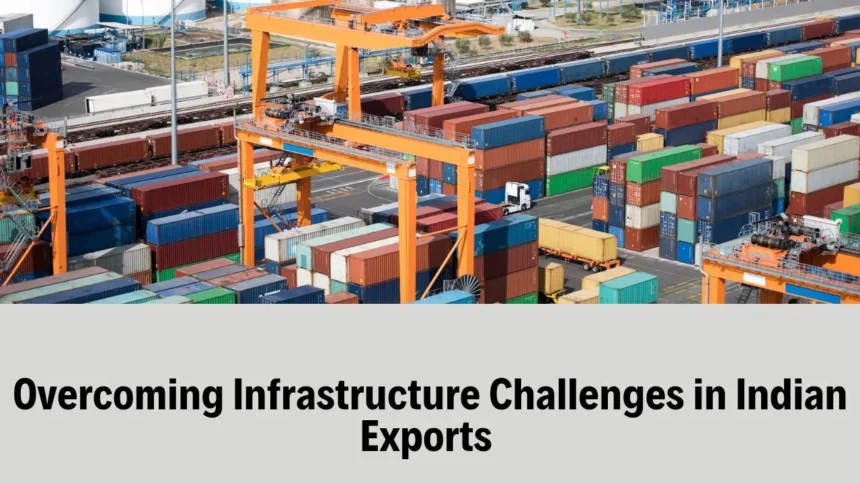
The Tripura Rubber Export Initiative has moved forward after the state’s Commerce Department drafted an infrastructure plan aimed at increasing rubber sheet exports through integrated border checkpoints. Moreover, the proposal focuses on strengthening trade logistics, improving export efficiency, and enhancing connectivity with neighboring markets. Consequently, the initiative is expected to support Tripura’s rubber industry while creating new opportunities for producers, exporters, and the regional economy.
Dalai Lama Birthday Events Celebrated With Prayers and Cultural Programmes in Gangtok
Tripura Rubber Export Initiative Focuses on Trade Infrastructure
The Tripura Rubber Export Initiative proposes the development of infrastructure to facilitate the export of rubber sheets through integrated border checkpoints. Furthermore, the plan seeks to improve logistics and streamline the movement of export consignments.
Integrated border checkpoints play an important role in supporting cross-border trade by providing customs, inspection, and transport facilities. Consequently, improved infrastructure can help reduce transit delays and enhance export efficiency.
Moreover, the proposed initiative aims to strengthen Tripura’s position as an important rubber-producing state. Therefore, better trade infrastructure is expected to improve market access for local exporters.
Additionally, officials continue evaluating the project’s implementation requirements. Thus, the proposal remains focused on long-term trade development.
Assam Forest Department Deploys AI for Flood Monitoring in Kaziranga National Park
Integrated Border Checkpoints to Strengthen Export Logistics
The Tripura Rubber Export Initiative places integrated border checkpoints at the center of its export strategy. Furthermore, upgraded facilities are expected to improve cargo handling, customs clearance, and transportation efficiency.
Efficient logistics are essential for maintaining the quality and timely delivery of agricultural and industrial products. Consequently, modern border infrastructure can enhance the competitiveness of Tripura’s rubber exports.
Moreover, improved transport networks support smoother movement of goods to international markets. Therefore, exporters may benefit from reduced logistical challenges.
Similarly, infrastructure investments contribute to stronger regional trade connectivity. Additionally, efficient border operations encourage higher export volumes over time.
Initiative Expected to Benefit Rubber Producers and Exporters
The Tripura Rubber Export Initiative is expected to create better opportunities for rubber growers, processors, and exporters across the state. Furthermore, improved export infrastructure may expand market access and strengthen the value chain.
Tripura is one of India’s leading natural rubber-producing states, making the sector an important contributor to the state’s economy. Consequently, enhanced export facilities could support sustainable growth in the industry.
Moreover, improved trade mechanisms may encourage greater investment in rubber processing and related industries. Therefore, the initiative has the potential to generate broader economic benefits.
Similarly, stronger export capacity can improve the competitiveness of locally produced rubber sheets. Additionally, efficient logistics contribute to long-term industrial development.
Trade Infrastructure Supports Regional Economic Growth
The Tripura Rubber Export Initiative reflects the government’s broader efforts to strengthen trade infrastructure and promote export-oriented economic development. Furthermore, integrated border checkpoints are expected to play a vital role in improving regional commerce.
Strategic infrastructure investments help facilitate international trade while improving supply chain efficiency. Consequently, businesses can benefit from faster movement of goods and improved market access.
Moreover, enhanced border connectivity supports economic cooperation with neighboring regions. Therefore, infrastructure development remains an important driver of trade expansion.
Similarly, continued investment in logistics strengthens the state’s overall economic resilience. Additionally, modern trade facilities contribute to sustainable export growth.
Conclusion
The Tripura Rubber Export Initiative marks an important step toward expanding rubber sheet exports through improved infrastructure at integrated border checkpoints. Moreover, the proposal aims to strengthen logistics, facilitate cross-border trade, and improve export efficiency.
Furthermore, the initiative is expected to benefit rubber producers, exporters, and the wider economy by creating better access to regional and international markets. Consequently, strategic infrastructure development will remain central to Tripura’s export growth strategy.
Looking ahead, continued investment in trade infrastructure, efficient logistics, and border connectivity will play a key role in ensuring the long-term success of the Tripura Rubber Export Initiative and supporting the state’s growing rubber industry.
FAQs
1. What is the Tripura Rubber Export Initiative?
It is a proposed infrastructure plan aimed at increasing rubber sheet exports through integrated border checkpoints.
2. Which department prepared the proposal?
The infrastructure plan was drafted by Tripura’s Commerce Department.
3. What is the main objective of the initiative?
The proposal seeks to improve export logistics, strengthen border trade infrastructure, and increase rubber sheet exports.
4. How will integrated border checkpoints help exporters?
They can improve customs processing, cargo handling, transportation efficiency, and overall trade facilitation.
5. Why is the Tripura Rubber Export Initiative significant?
It supports Tripura’s rubber industry by improving export infrastructure, enhancing regional trade connectivity, and creating new economic opportunities.