



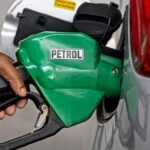


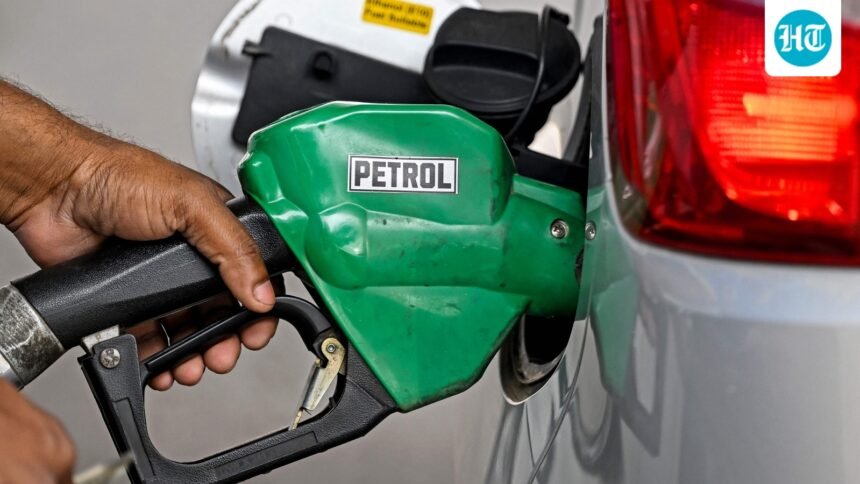
Tripura fuel price hike has raised concerns as residents face increasing costs of CNG, PNG, and premium petrol. The rise is affecting daily expenses and transportation. Moreover, it adds pressure on household budgets. As a result, people are demanding relief and better price regulation.
Explosive Tipra Motha Political Crisis Unfolds
Tripura Fuel Price Hike Raises Public Concern
Tripura fuel price hike has become a major concern as residents experience rising costs of CNG, PNG, and premium petrol. The increase has directly impacted daily life and transportation expenses. Moreover, the rising fuel prices have added financial pressure on households.
Alert Update: Meghalaya Weather Forecast Summer
Fuel prices influence multiple sectors of the economy. Therefore, even a small increase can have widespread effects. As a result, the issue has gained significant public attention.
Rising CNG and PNG Prices Affect Households
Tripura fuel price hike has particularly impacted users of CNG and PNG. These fuels are commonly used for cooking and transportation. However, the recent price increase has raised monthly expenses for many families.
Moreover, people who rely on CNG for vehicles are facing higher commuting costs. Therefore, daily travel has become more expensive. As a result, many households are adjusting their budgets to manage expenses.
Premium Petrol Price Increase Adds Burden
Tripura fuel price hike also includes a reported increase in premium petrol costs. This development has further added to the financial burden on vehicle owners. Moreover, higher petrol prices affect transportation and logistics.
Businesses that depend on fuel for operations are also impacted. Therefore, increased costs may lead to higher prices of goods and services. As a result, inflationary pressure may rise.
Impact on Transportation and Daily Life
Tripura fuel price hike has significantly affected transportation systems. Public transport operators may increase fares to cover rising fuel costs. Moreover, private vehicle owners are spending more on daily travel.
Higher transportation costs affect students, workers, and businesses alike. Therefore, the overall cost of living increases. As a result, people are becoming more cautious with spending.
Economic Implications of Fuel Price Rise
Tripura fuel price hike has broader economic implications. Rising fuel costs can slow down economic activity by increasing operational expenses. Moreover, industries that rely on transportation may face reduced profits.
Small businesses are particularly vulnerable to such changes. Therefore, they may struggle to maintain affordability. As a result, economic growth can face challenges.
Public Reaction and Demand for Relief
Tripura fuel price hike has triggered public reactions across the state. Residents are expressing concern over rising expenses. Moreover, many are demanding government intervention to control prices.
Public pressure often influences policy decisions. Therefore, authorities may consider measures to provide relief. As a result, discussions around subsidies and price regulation have gained momentum.
Government Role in Price Regulation
Tripura fuel price hike highlights the importance of government policies in price regulation. Authorities can take steps to manage fuel costs and reduce the burden on citizens. Moreover, strategic planning can stabilize prices.
Transparent communication is also essential. Therefore, the government must keep citizens informed. As a result, trust and confidence can improve.
Exploring Alternative Energy Solutions
Tripura fuel price hike has increased interest in alternative energy sources. Electric vehicles and renewable energy options are becoming more attractive. Moreover, these alternatives can reduce dependence on traditional fuels.
Investing in sustainable solutions can provide long-term benefits. Therefore, promoting such options is essential. As a result, the state can move toward energy security.
Challenges in Managing Fuel Prices
Tripura fuel price hike presents challenges in managing price fluctuations. Global oil prices and supply chain issues often influence local rates. Moreover, taxation policies also play a role.
Addressing these challenges requires coordinated efforts. Therefore, both central and state governments must work together. As a result, better solutions can emerge.
Conclusion
Tripura fuel price hike has created significant challenges for residents as CNG, PNG, and premium petrol costs continue to rise. The increase has affected daily life, transportation, and economic activities. Moreover, it has raised concerns about affordability and financial stability. As authorities consider possible solutions, managing fuel prices will remain a key priority. Ensuring balance between economic growth and public welfare is essential for long-term stability.
FAQs
1. What is the Tripura fuel price hike issue?
It refers to the recent increase in CNG, PNG, and premium petrol prices in the state.
2. How does it affect households?
It increases expenses for cooking, transportation, and daily living.
3. Why are fuel prices rising?
Factors include global oil prices, supply issues, and taxation policies.
4. What impact does it have on the economy?
It raises costs for businesses and may increase prices of goods and services.
5. Are there any solutions to this issue?
Government intervention, subsidies, and alternative energy options can help manage costs.