




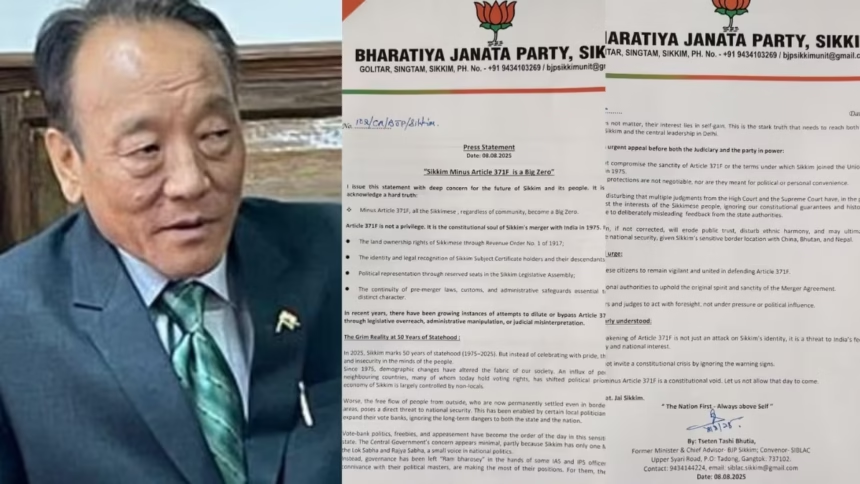
Sikkim Article 371F accountability debates intensified after BJP leader Tseten Tashi Bhutia publicly questioned several state administrative policies involving rising debt, reserved Assembly seats, and constitutional safeguards linked to Article 371F. Meanwhile, the senior political leader demanded greater transparency and stronger public accountability regarding governance decisions affecting Sikkim’s political and constitutional framework. His remarks triggered widespread political discussion because Article 371F remains one of the most sensitive constitutional protections connected to the state’s special status and historical identity. Additionally, opposition groups and civil society organizations reacted strongly to the statements made during the public interaction.
The controversy emerged amid broader political debates surrounding governance, financial management, and regional autonomy in Sikkim. Furthermore, constitutional protections under Article 371F continue playing a crucial role in discussions involving identity preservation, legislative representation, and administrative authority within the Himalayan state.
Girls Lead WBCHSE Higher Secondary Success
Bar Council Questions Mamata Court Appearance
BJP Leader Questions Governance Policies
Tseten Tashi Bhutia raised concerns regarding the state’s financial position and administrative priorities during a public political address. Sikkim Article 371F accountability discussions therefore quickly expanded into wider debates involving constitutional protections and political representation.
Meanwhile, the BJP leader questioned the increasing burden of state debt and urged authorities to provide clearer explanations regarding fiscal planning and public expenditure. Additionally, he expressed concern over issues connected to reserved Assembly seats and the long-term safeguarding of constitutional provisions protecting Sikkim’s unique status.
Bhutia argued that citizens deserve transparent governance and open discussion regarding matters affecting the political future of the state. Furthermore, he emphasized that constitutional safeguards linked to Article 371F should remain protected from any potential dilution or administrative neglect.
Earlier, regional political groups and community organizations repeatedly highlighted concerns involving governance accountability and preservation of Sikkim’s constitutional rights. Consequently, the latest remarks reignited public discussion surrounding the balance between development, political representation, and constitutional autonomy.
At the same time, ruling party representatives defended the administration’s record and accused opposition leaders of politicizing sensitive constitutional matters for political advantage.
Article 371F Remains Central Political Issue
Article 371F provides special constitutional protections to Sikkim following its integration into the Indian Union in 1975. Sikkim Article 371F accountability concerns therefore carry major political and emotional significance across the state.
Meanwhile, constitutional experts explained that the provision safeguards several administrative and legislative arrangements linked to Sikkim’s historical identity and social structure. Additionally, reserved Assembly seats and specific legal protections remain closely tied to the constitutional framework established under Article 371F.
Political analysts observed that debates involving constitutional safeguards often generate strong public reactions because they directly affect identity, representation, and regional autonomy. Furthermore, issues linked to reserved seats remain especially sensitive among communities concerned about preserving political balance within the state.
Several civil society organizations also emphasized the importance of maintaining constitutional protections without politicizing community interests. Consequently, public attention intensified regarding the future handling of constitutional and administrative policies in Sikkim.
However, legal scholars cautioned against misinformation surrounding constitutional provisions and urged political leaders to engage in fact-based discussions. They stressed that constitutional matters require careful interpretation and responsible public communication.
Debt and Fiscal Management Under Scrutiny
State debt emerged as another major issue highlighted during the BJP leader’s remarks. Sikkim Article 371F accountability discussions therefore extended beyond constitutional concerns into broader debates involving economic governance and public finance management.
Meanwhile, Tseten Tashi Bhutia questioned whether the state administration has adequately addressed long-term fiscal sustainability and debt-related challenges. Additionally, he urged authorities to maintain greater transparency regarding borrowing patterns, infrastructure spending, and development financing.
Economic observers noted that several northeastern and Himalayan states continue balancing development ambitions with fiscal limitations. Furthermore, public infrastructure projects and welfare initiatives often require substantial financial commitments from state governments.
Opposition voices argued that increasing public debt may create long-term economic pressure if financial planning lacks transparency and accountability. Consequently, calls for detailed fiscal disclosure gained momentum following the BJP leader’s remarks.
At the same time, government supporters defended the administration’s development policies and claimed that investment in infrastructure and social programs remains necessary for economic growth and regional modernization.
Political Reactions Intensify Across Sikkim
Political reactions emerged rapidly after Tseten Tashi Bhutia’s public statements circulated across media and social platforms. Sikkim Article 371F accountability discussions therefore spread across party circles, student organizations, and civil society groups throughout the state.
Meanwhile, opposition parties welcomed the demand for transparency and constitutional protection measures. Additionally, several activists argued that issues involving governance accountability require broader public consultation and institutional oversight.
Ruling party leaders, however, criticized the BJP leader’s remarks and accused opposition figures of creating unnecessary political controversy around sensitive constitutional provisions. Furthermore, government representatives maintained that constitutional safeguards remain fully protected under existing legal frameworks.
Political analysts observed that constitutional and autonomy-related debates frequently influence electoral narratives in Sikkim. Consequently, the latest controversy may shape future political discussions involving governance, identity, and representation.
Several academics and policy observers also emphasized the importance of maintaining respectful dialogue while discussing constitutional matters affecting regional communities. At the same time, community leaders appealed for peaceful political engagement without inflaming public anxieties.
Public Discussion Focuses on Identity and Representation
Public attention increasingly shifted toward concerns involving identity preservation and legislative representation after the BJP leader’s remarks. Sikkim Article 371F accountability conversations therefore expanded into broader civic discussions regarding autonomy and constitutional security.
Meanwhile, community organizations stressed that constitutional protections remain deeply connected to Sikkim’s social harmony and political stability. Additionally, residents expressed interest in understanding how future policy decisions may affect reserved seats and governance structures.
Youth groups and student organizations also joined debates surrounding transparency, fiscal responsibility, and constitutional awareness. Furthermore, civic forums encouraged informed public dialogue regarding the historical importance of Article 371F and related legal safeguards.
Earlier, similar debates regarding constitutional protections and regional autonomy emerged in other northeastern states with special administrative provisions. Consequently, observers believe Sikkim’s current political discussions reflect broader regional concerns involving identity and governance.
At the same time, experts warned that prolonged political confrontation over constitutional matters could create confusion unless leaders communicate clearly and responsibly with the public.
Conclusion
Sikkim Article 371F accountability debates intensified after BJP leader Tseten Tashi Bhutia demanded greater transparency regarding state debt, reserved Assembly seats, and constitutional safeguards linked to Article 371F. Meanwhile, the remarks triggered strong political reactions and renewed public discussion surrounding governance, identity, and regional autonomy in Sikkim. Political leaders, civil society groups, and constitutional experts continue emphasizing the importance of transparency and responsible dialogue while addressing sensitive constitutional issues. Ultimately, the ongoing debate may significantly influence future political discourse and governance priorities within the state.
FAQs
What issues did Tseten Tashi Bhutia raise?
The BJP leader questioned state debt, reserved Assembly seats, and protections linked to Article 371F.
Why is Article 371F important in Sikkim?
Article 371F provides special constitutional protections connected to Sikkim’s political and historical identity.
Why is Sikkim Article 371F accountability debate significant?
The issue involves constitutional safeguards, governance transparency, and representation concerns affecting the state.
What concerns were raised regarding state debt?
Bhutia demanded greater transparency and accountability regarding fiscal management and borrowing practices.
How did political parties react?
Opposition groups supported calls for transparency, while ruling party leaders accused critics of politicizing sensitive issues.
Could the debate affect future politics in Sikkim?
Analysts believe the controversy may influence future political discussions involving governance and constitutional autonomy.