

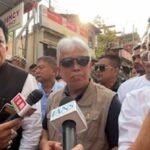
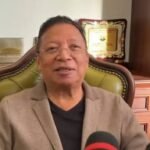



A Tripura statewide bandh brought large parts of the northeastern state to a standstill as civil society groups demanded urgent action on the Inner Line Permit (ILP) regime, Tiprasa Accord, and illegal migration issues. The 24-hour shutdown, organized by the Tripura Civil Society (TCS), reflected deep frustration over slow government responses to long-pending demands.
Shops, markets, and offices in several tribal-majority areas remained closed. Transport services were disrupted in districts such as Dhalai, Khowai, and parts of West Tripura. However, the government ensured that essential services and emergency facilities continued to operate.
Why the Tripura Statewide Bandh Was Called
The Tripura statewide bandh was declared to push three key demands that activists believe are vital to protect indigenous rights and preserve demographic balance.
1. Enforcement of Inner Line Permit (ILP)
Civil society leaders have urged the state and central governments to extend the ILP system to Tripura. The permit, already in place in states like Arunachal Pradesh, Mizoram, and Nagaland, restricts entry of non-residents to protect local communities. Activists argue that Tripura’s tribal population needs similar safeguards.
2. Implementation of the Tiprasa Accord
The Tiprasa Accord, signed in 2024 between the Centre, state government, and Tipra Motha Party, promised greater autonomy for the Tripura Tribal Areas Autonomous District Council (TTAADC). It also guaranteed economic and administrative reforms. Protesters allege that most of these promises remain unfulfilled, leading to resentment across tribal regions.
3. Curbing Illegal Migration
Illegal migration from neighboring Bangladesh has long been a sensitive issue. Protesters claim that unchecked cross-border entry has altered Tripura’s demographic pattern. They demand strict identification and deportation measures to restore balance and fairness in resource distribution.
Impact of the Tripura Statewide Bandh
The Tripura statewide bandh caused disruptions in normal life, particularly in hilly and border districts. Many shops were shut, and traffic on national highways slowed as demonstrators gathered at key junctions.
Police officials reported incidents of road blockades and brief clashes, but no major violence. The Tripura government had earlier directed employees to attend work and warned of disciplinary action for unauthorized absence.
While urban centers such as Agartala saw partial attendance in offices, rural tribal areas experienced a near-complete shutdown. Essential services, including hospitals and fire stations, continued without interruption.
Political Reactions and Statements
Chief Minister Dr. Manik Saha appealed for calm, stating that the government remains open to dialogue. He assured that issues related to the Tiprasa Accord are under review by the Centre.
Opposition leaders from the Tipra Motha Party (TMP) and Trinamool Congress expressed support for the bandh’s intent but urged the administration to act promptly. TMP chief Pradyot Bikram Manikya Debbarma had earlier written to Home Minister Amit Shah, demanding that the ILP be implemented without further delay.
According to a report by The Times of India, the bandh received mixed responses, with stronger participation in the tribal districts and lower turnout in the plains.
Socio-Political Significance
The Tripura statewide bandh highlights long-standing tensions between development priorities and tribal identity concerns. Many tribal residents feel sidelined by rapid urbanization and migration trends that threaten their cultural and political representation.
The protest also echoes similar movements across Northeast India, where the ILP framework is often seen as a key protection tool. Activists argue that without it, Tripura’s indigenous population will continue to decline.
Meanwhile, government analysts caution that such measures must balance economic openness with identity protection. “Policy decisions should protect locals but also allow tourism and investment to grow,” said a Guwahati-based economist.
Looking Ahead: The Road to Dialogue
The state’s immediate challenge is to resume negotiations with the civil society leaders and tribal organizations. Building trust through transparent timelines for Tiprasa Accord implementation and stronger border management could help defuse tensions.
The Ministry of Home Affairs is expected to review progress on the accord later this year. Civil society groups have warned of intensified protests if their demands remain ignored.
Observers believe that the bandh sends a powerful reminder to policymakers: economic development in the Northeast must go hand-in-hand with cultural preservation and inclusive governance.
A Turning Point for Tripura’s Future
The Tripura statewide bandh of October 22 was more than a one-day shutdown. It was a call for recognition, representation, and respect for indigenous communities.
As peace returns to the streets, the focus shifts to the negotiating table. Whether the government chooses dialogue or delay will determine the state’s political and social trajectory in the months ahead.
READ MORE: Zubeen Garg Death Investigation: Five Arrested Sent to Custody

