



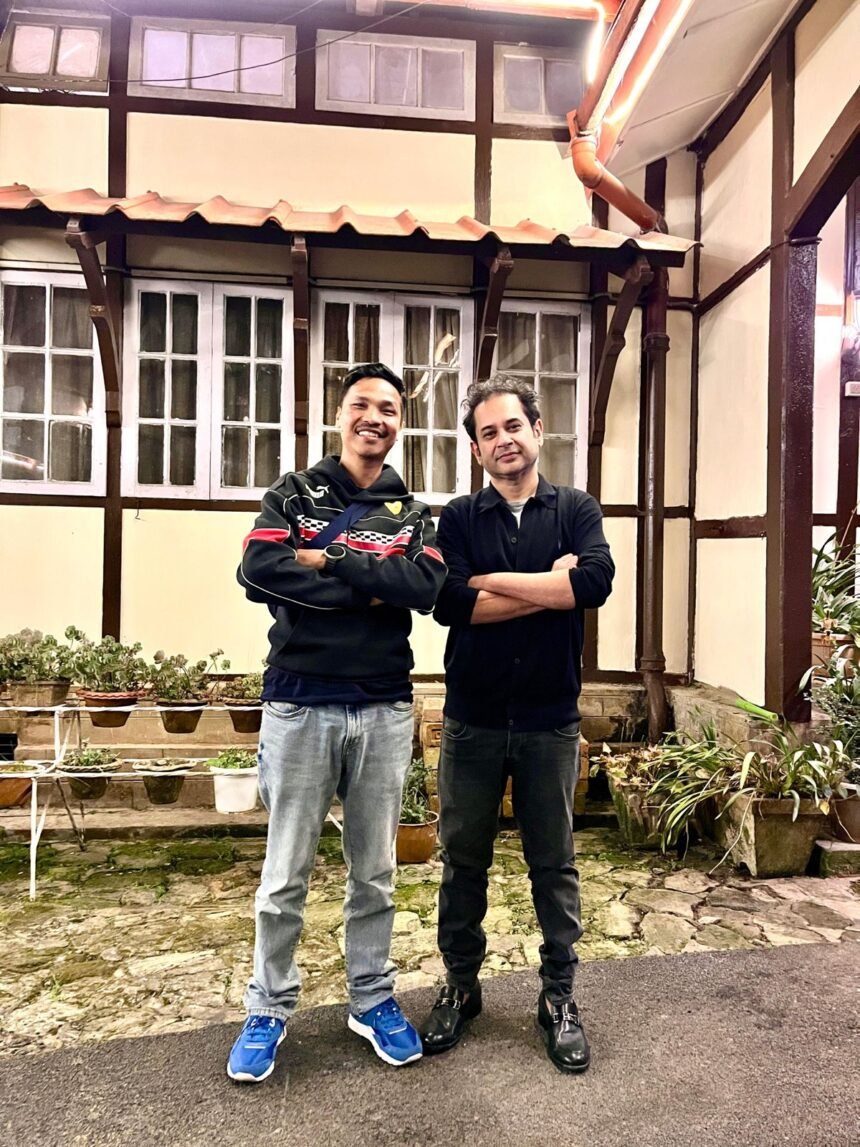
In Tripura, the story of Uday Reang stands out as a rare example of sacrifice and unwavering loyalty in modern politics. Despite leaving a secure government job and facing electoral setbacks, he continues to serve people without seeking power or recognition.
Key Facts
- Name: Uday Reang (also known as “Young Bru”)
- Location: Tripura
- Education: Two Master’s degrees
- Career Shift: Resigned from government job in 2021
- Political Association: Supporter of Pradyot Bikram Manikya Debbarma
- Elections: Denied ticket in 2023 and 2026
- Key Work: Youth mobilization, social service, cultural influence
A Story Beyond Political Headlines
Some stories shape society quietly, without seeking attention. The journey of Uday Reang is one such example. His life reflects sacrifice, service, and loyalty—values that are increasingly rare in today’s political environment.
At a time when political ambition often revolves around power and recognition, Uday’s path stands in contrast. His choices highlight what it means to serve without expecting rewards.
From Stability to Struggle
Uday Reang’s early life followed a path many aspire to achieve. With strong academic credentials, including two Master’s degrees, he built a reputation as a creative force under the identity “Young Bru.”
He gained recognition for modernizing the cultural landscape of Tripura and was noticed by prominent leader Pradyot Bikram Manikya Debbarma.
He also secured a government job—considered a symbol of stability in the region. However, in 2021, he made a significant decision to resign, choosing public service over personal security.
A Turning Point in 2021
His resignation marked a defining moment. It was not just a career move but a shift in purpose. He chose to work at the grassroots level, supporting people directly rather than holding a secure position.
This decision brought uncertainty and challenges, but it also demonstrated a commitment to larger social goals over personal gain.
Service Without Recognition
Unlike many who seek visibility, Uday focused on real impact. His contributions include:
- Organizing youth groups and empowering communities
- Conducting blood donation drives
- Supporting housing initiatives for the poor
- Using music as a medium to inspire and mobilize people
His work reflects consistent grassroots engagement rather than symbolic gestures.
Handling Political Setbacks with Discipline
In both the 2023 and 2026 elections, Uday Reang was denied a party ticket. In today’s political landscape, such situations often lead to rebellion or defection.
However, he chose a different path. He maintained silence and discipline, continuing to support the movement and leadership.
His statement, “I am not against TIPRA Motha and His Highness,” reflects political maturity and commitment beyond personal ambition.
Loyalty in Modern Politics
Modern politics is often seen as transactional, where loyalty depends on rewards. Uday Reang’s journey challenges this notion.
He remained aligned with Pradyot Bikram Manikya Debbarma not because of position, but because of belief. His approach highlights a deeper form of leadership based on values rather than power.
Why Tripura Matters
Tripura plays a significant role in Northeast India’s socio-political landscape. Grassroots movements and regional identity politics are central to its development.
Stories like Uday Reang’s reflect the evolving nature of leadership in the region, where service and community engagement remain critical.
Question–Answer Section
Q1: Who is Uday Reang?
A grassroots social worker and political activist from Tripura known for his service and loyalty.
Q2: Why did he resign from his government job?
He resigned in 2021 to dedicate himself to public service and community work.
Q3: What challenges did he face in politics?
He was denied election tickets in 2023 and 2026 but chose not to rebel.
Q4: What kind of work has he done?
He has worked in youth empowerment, social welfare, housing support, and cultural activism.
Q5: Why is his story important?
It highlights values like sacrifice, discipline, and loyalty in an era of power-driven politics.
Conclusion
Uday Reang’s journey is not defined by electoral victories or official positions. Instead, it represents a deeper form of leadership rooted in service and resilience.
His story raises an important question for society: Do we value those who serve without recognition, or only those who hold power?
Read More: The Loyal Warrior of Tripura: Uday Reang’s Story of Sacrifice

