





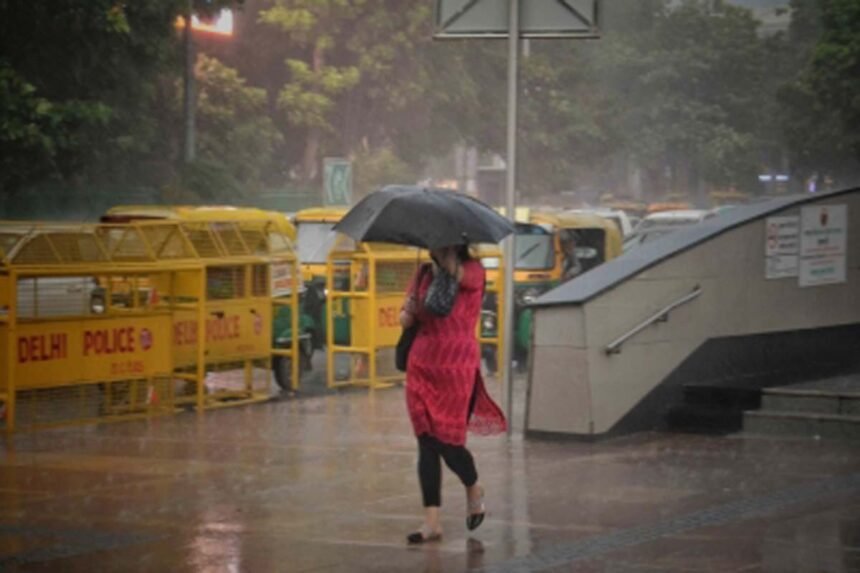
In a highly unusual occurrence, the monsoon season has arrived in both Delhi and Mumbai on the same day, defying the conventional schedules for these two major Indian cities. While the rains arrived in the national capital two days earlier than anticipated, their arrival in the financial capital is delayed by approximately two weeks, as reported by the India Meteorological Department (IMD).
The IMD official confirmed the unexpected event, stating, “The Southwest Monsoon has advanced over Mumbai and Delhi today (June 25).” This rare convergence of weather patterns has captured the attention of meteorologists and the public alike.
Typically, the monsoon season in India progresses from south to north, with Mumbai, situated on the western coast, being among the first regions to experience the onset of the rains. However, this year’s monsoon has been characterized by unusual patterns, causing deviations from the norm. While Delhi usually receives the monsoon showers in late June or early July, the city was surprised by the early arrival of rains this year.
The early onset of the monsoon in Delhi has brought relief to the city’s residents who have been grappling with scorching heat and water scarcity. The sudden downpour has helped alleviate the sweltering temperatures and replenish water sources. However, the untimely arrival has also posed challenges in terms of infrastructure preparedness and potential disruptions in daily life.
On the other hand, Mumbai has been eagerly awaiting the monsoon’s arrival, as the city relies heavily on the rains to replenish its water reservoirs. The delay of approximately two weeks has raised concerns about water scarcity and agricultural activities in the region. Farmers and citizens alike have been anxiously anticipating the monsoon’s arrival, and its delay has caused unease among the population.
The IMD has attributed these deviations in the monsoon patterns to several atmospheric factors, including the influence of regional weather systems and the impact of global climate patterns. Climate change has been a topic of significant concern in recent years, with scientists warning about its potential to disrupt weather patterns and intensify extreme weather events.
The simultaneous arrival of the monsoon in Delhi and Mumbai highlights the unpredictable nature of weather systems and emphasizes the need for advanced forecasting techniques. Accurate and timely weather predictions are crucial for enabling governments, local authorities, and citizens to make informed decisions and take necessary precautions.
The unexpected convergence of the monsoon over these two major cities has sparked discussions among experts and the public regarding climate change, urban planning, and disaster management. It serves as a reminder of the importance of resilient infrastructure, efficient drainage systems, and adequate water management strategies in the face of changing weather patterns.
As the monsoon season progresses, it will be essential to closely monitor the rainfall patterns and their impact on various regions. While the simultaneous arrival of rains in Delhi and Mumbai is a unique event, it should be seen as an opportunity to enhance our understanding of weather systems and improve preparedness for future anomalies.
The monsoon’s unusual timing and convergence over Delhi and Mumbai have surprised residents, challenged infrastructure readiness, and raised concerns about water scarcity. This extraordinary event highlights the significance of climate change and the need for robust weather forecasting and disaster management strategies. As we navigate through this atypical monsoon season, it is crucial to adapt to changing weather patterns and prioritize sustainable measures to mitigate the impacts of climate change.