






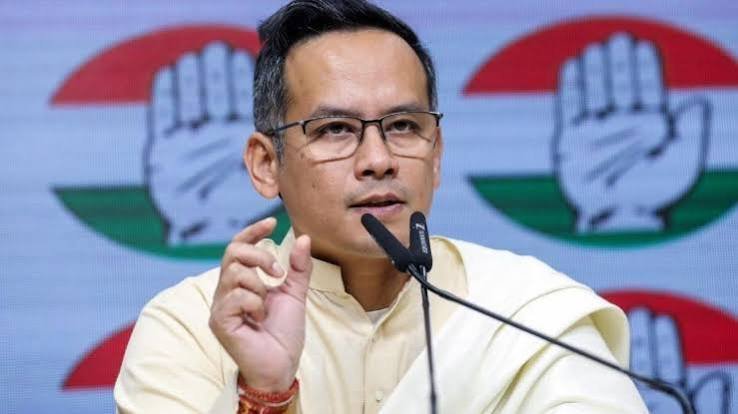
Congress MP Gaurav Gogoi has raised 10 concerns about India’s electoral process, accusing the Narendra Modi-led government and the Election Commission of India (ECI) of creating conditions that favour the ruling Bharatiya Janata Party (BJP).
In a post on X on November 9, Gogoi described the issues as a “Modi-Shah-Election Commission of India package for people of India”. His list covers voter registration, constituency boundaries, political funding and election administration.
Gaurav Gogoi questions voter rolls and delimitation
Gaurav Gogoi placed delimitation and the Special Intensive Revision (SIR) of electoral rolls at the top of his list. Delimitation involves redrawing constituency boundaries.
He alleged that the process could benefit the ruling party. However, delimitation is a formal exercise governed by constitutional and legal provisions.
The Congress MP also questioned the SIR exercise. He alleged that it could include ineligible voters while removing genuine voters. The Election Commission conducts electoral roll revisions to update voter lists, correct errors and ensure eligible citizens remain registered.
Gogoi’s concern centres on whether the exercise is fair and transparent. An accurate voter list is essential to the right to vote.
Gaurav Gogoi targets funding and Opposition politics
The third point in Gaurav Gogoi’s list concerned electoral bonds. He alleged that the scheme helped corporate donors avoid scrutiny by agencies such as the Income Tax Department and the Enforcement Directorate.
The Supreme Court struck down the electoral bonds scheme in February 2024, ruling that anonymous political funding violated voters’ right to information.
Gogoi also accused the BJP of encouraging splits in Opposition parties and freezing their election symbols. Gogoi did not provide specific case details or fresh evidence for these claims.
Additionally, he questioned the transfer and posting of government officers. He alleged that officials who followed the ruling establishment’s preferences received favourable promotions.
Gaurav Gogoi raises questions about the Election Commission
The Congress leader’s sixth point concerned legal protection for the Chief Election Commissioner (CEC). He also questioned the scheduling of election campaigns.
Gogoi further alleged that the Model Code of Conduct was enforced selectively. He claimed that political leaders could make communal remarks and use hate speech without adequate action.
The Model Code of Conduct sets standards for parties and candidates during elections. The Election Commission monitors compliance and acts under applicable rules.
Moreover, Gogoi described electronic voting machines (EVMs) as faulty. He alleged that scrutiny of nomination papers was used to disqualify Opposition candidates. However, his post did not provide technical findings or individual cases to support these claims.
The list also includes concerns about campaign schedules, the legal safeguards for the CEC and how election authorities assess candidates. Together, the points question both the rules governing elections and the way officials apply them.
Ten allegations intensify the political debate
Gogoi’s list comes amid wider Opposition criticism of the Election Commission, particularly over the SIR exercise and Chief Election Commissioner Gyanesh Kumar. INDIA bloc parties have demanded Kumar’s resignation and called for the revision exercise to be withdrawn.
The dispute has also drawn in senior national leaders. Rahul Gandhi challenged Prime Minister Narendra Modi to an open debate on the SIR process. Union Home Minister Amit Shah asked Gandhi to raise his concerns in Parliament, saying a responsible discussion should take place in the House.
The exchange reflects growing disagreement over electoral reforms and institutional credibility. The allegations remain contested and require examination against official records and evidence.
Gaurav Gogoi’s challenge puts electoral fairness in focus
By grouping ten issues under one label, Gaurav Gogoi has presented them as connected concerns about election fairness. His criticism puts pressure on the government and the Election Commission to address questions about voter rolls, campaign conduct and institutional independence.
The government and the poll body had not issued a specific response to every point in Gogoi’s November 9 post at the time of writing. Transparent procedures and evidence will be important in assessing the claims.
Ultimately, public confidence in elections depends on trust in the rules, institutions and counting process. The debate over Gogoi’s allegations is likely to remain part of the wider political discussion as parties seek accountability and assurances of a fair contest.