




SIR voter list has come under fresh political scrutiny after Raijor Dal president and Sivasagar MLA Akhil Gogoi questioned the reliability of the electoral roll revision process.
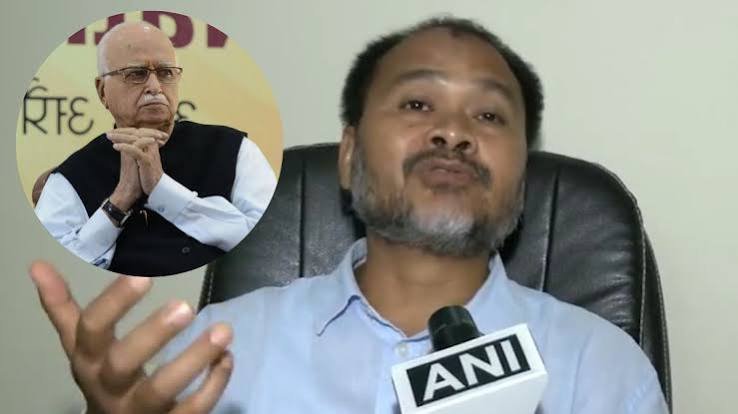
Speaking in Guwahati on September 21, Gogoi referred to reports involving senior political figures in Delhi and asked how voters could have confidence in the process if the names of prominent leaders faced verification issues.
Gogoi alleged that the Special Intensive Revision (SIR) had become a tool for the BJP government to influence elections and target political opponents. He also claimed that the exercise had resulted in deletion of many voter names in Assam.
These claims are political allegations and have not been independently established. The Election Commission of India has said that SIR is intended to update electoral rolls, identify eligible voters and address discrepancies in voter records.
Gogoi also referred to developments in West Bengal. He alleged that the revision process was being used against Chief Minister Mamata Banerjee. He did not provide evidence establishing that claim.
Advani reference puts SIR voter list issue in focus
Gogoi’s main reference was to BJP veteran L K Advani and Delhi Chief Minister Rekha Gupta. He questioned the reliability of the process after reports that prominent voters had received notices during the Delhi SIR.
“If the name of our country’s former Home Minister, L.K. Advani, is missing, then whose name could be there?” Gogoi asked. He also questioned what it would mean if the name of a serving chief minister was missing.
The remark came after Delhi election authorities issued notices to thousands of voters over discrepancies in their submitted details. Reports said Advani, his daughter Pratibha Advani and daughter-in-law Geetika were among those whose names could not be mapped to the 2002 electoral roll.
A notice does not automatically mean deletion from the final roll. Officials said verification of facts and documents was underway, and eligible voters could establish their claims during the process.
Why the SIR voter list is under scrutiny
The Delhi developments have added to wider debate around SIR. More than 33 lakh Delhi voters were reportedly issued notices over discrepancies.
The Election Commission’s voter services portal provides facilities for the 2026 SIR, including searching names in the last SIR and submitting documents against notices. The commission’s stated process allows voters to raise claims and objections during the revision.
Moreover, the ECI says eligible Indian citizens can seek registration if they meet the legal conditions. It also provides procedures for correcting electoral-roll entries and raising objections to entries that may be ineligible.
Assam angle keeps SIR voter list debate alive
Gogoi’s remarks are particularly relevant in Assam, where electoral rolls have long been a politically sensitive issue. His comments place the focus on whether voters can understand and challenge changes affecting their entries.
At the same time, the process includes mechanisms for verification and correction. The ECI has said revision exercises are meant to maintain accurate and updated rolls and provide eligible citizens an opportunity to participate in the claims and objections process.
For voters, the practical issue is whether their names and details remain correctly recorded. These checks can affect access to the electoral process. Any discrepancy can require verification, documentation or a correction request under the prescribed procedure.
What happens next for voters
The debate over the SIR voter list is likely to continue as authorities complete verification and respond to claims and objections. Political parties may continue to question the process, while election officials are responsible for checking individual records under the applicable rules.
The Election Commission’s official portal allows voters to search electoral records and access SIR-related services. Therefore, voters who receive notices or find discrepancies should use the available official procedures rather than rely only on political claims.
Gogoi’s comments have brought renewed attention to the issue, but the final status of individual names will depend on verification by the election authorities. As the revision process moves forward, transparency, accessible information and opportunities for eligible voters to correct their records will remain central to the debate.