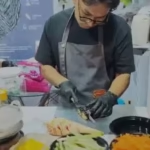





Cooking is not just about following recipes; it’s an art that requires fundamental techniques to bring out the best flavors and textures in your dishes. Whether you’re a novice in the kitchen or an experienced home chef, mastering these 10 essential cooking techniques will elevate your culinary skills to new heights. From searing to sautéing, let’s explore the basics that every home chef should know.
- Searing: Searing is the process of browning the surface of meat or vegetables at a high temperature. This technique creates a flavorful crust and helps to seal in the juices, resulting in tender and delicious dishes. To achieve a perfect sear, preheat your pan, add a little oil, and let it get hot before adding your ingredients.
- Sautéing: Sautéing involves cooking food quickly in a small amount of oil or fat over high heat. This technique is perfect for vegetables, seafood, and thinly sliced meats. The key is to keep the ingredients in constant motion, allowing them to cook evenly and retain their natural flavors and textures.
- Roasting: Roasting is a dry-heat cooking method that brings out rich flavors and caramelization. It’s ideal for meat, poultry, and vegetables. To roast effectively, use a high temperature and place the ingredients on a baking sheet, allowing the hot air to circulate and create a crispy exterior while keeping the interior moist.
- Braising: Braising involves cooking meat or vegetables in a small amount of liquid at a low temperature for an extended period. This technique results in tender, succulent dishes packed with flavor. The slow cooking process allows the ingredients to break down slowly, resulting in melt-in-your-mouth goodness.
- Blanching: Blanching is a quick boiling technique used to partially cook vegetables or fruit before using them in recipes. It helps to preserve their vibrant colors, remove bitterness, and prepare them for further cooking methods such as sautéing or stir-frying.
- Simmering: Simmering is a gentle cooking technique that involves cooking food in liquid at a low and steady temperature. It’s perfect for making soups, stews, and sauces. Simmering allows the flavors to meld together and develop a rich taste over time.
- Grilling: Grilling is a favorite technique for outdoor cooking enthusiasts. It involves cooking food over an open flame or on a hot grill surface, imparting a smoky and charred flavor. Grilling is excellent for meats, vegetables, and even fruits, adding a unique touch to your dishes.
- Steaming: Steaming is a healthy and simple cooking technique that preserves the natural nutrients and flavors of food. By using steam to cook your ingredients, you can create light and tender dishes, especially for vegetables, seafood, and dumplings.
- Poaching: Poaching involves gently cooking delicate ingredients, such as eggs or fish, in a liquid just below its boiling point. This technique helps to retain moisture and create soft textures. Poached eggs, for example, are a breakfast classic that can be served on their own or used to top other dishes.
- Knife Skills: Mastering knife skills is an essential technique for any home chef. Properly handling a knife and knowing various cutting techniques can enhance your efficiency in the kitchen. From chopping to dicing and julienning, honing your knife skills will save you time and ensure consistent results.
Becoming a skilled home chef goes beyond following recipes. By mastering these essential cooking techniques, you’ll have the confidence to experiment, adapt, and create your own dishes.