





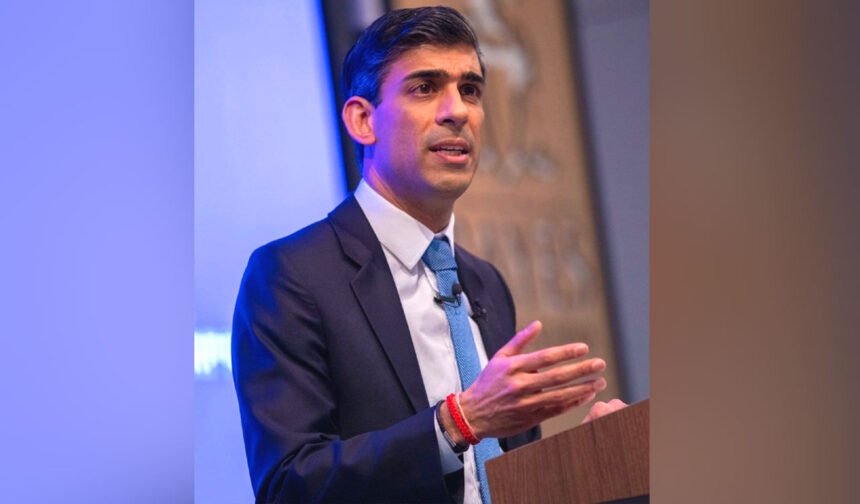
British Prime Minister Rishi Sunak, during his visit to the United States, made a significant announcement on Thursday regarding the organization of the first-ever global summit on artificial intelligence (AI). The summit, set to take place later this year, aims to bring together key countries, leading tech companies, and researchers to establish safety measures for evaluating and monitoring the most significant risks associated with AI.
Although the participating countries have not yet been officially confirmed by Downing Street, India is expected to be among them. Sunak emphasized the importance of collaboration among like-minded allies and companies to create an international framework that ensures the safe and reliable development and utilization of AI.
Scheduled to be hosted in the United Kingdom in the autumn, the summit will focus on assessing the risks posed by AI, including frontier systems, and exploring ways to mitigate these risks through coordinated international action. Additionally, the event will provide a platform for countries to collaborate on developing a shared approach to address and mitigate these risks effectively.
The announcement by Prime Minister Sunak underscores the growing recognition of the potential risks associated with AI and the need for global cooperation in managing them. As AI technology continues to advance rapidly, concerns have been raised about its potential misuse, unintended consequences, and ethical implications.
The global summit aims to address these concerns head-on by fostering a dialogue among nations, tech companies, and researchers. By convening key stakeholders, the summit seeks to establish guidelines, standards, and best practices for the responsible development, deployment, and regulation of AI systems.
The involvement of India, one of the world’s leading technology hubs, is particularly significant. With its thriving tech industry and skilled workforce, India has emerged as a major player in the AI landscape. By including India in the summit, Prime Minister Sunak recognizes the importance of diverse perspectives and expertise in shaping global AI policies.
The summit’s agenda will cover a wide range of topics related to AI safety. This includes exploring the potential risks and challenges posed by cutting-edge AI technologies, such as autonomous systems and machine learning algorithms. By identifying and understanding these risks, the participating countries can develop strategies to address them effectively.
In addition to risk assessment, the summit will also focus on creating mechanisms for monitoring and evaluating AI systems. This will involve developing frameworks for ongoing scrutiny, ensuring that AI technologies adhere to established safety standards throughout their lifecycle. By establishing international guidelines, countries can work together to prevent potential harm and maintain public trust in AI.
Crucially, the summit recognizes that AI safety requires a multidisciplinary approach. It is not only the responsibility of governments or tech companies but also requires active involvement from academia, civil society, and other stakeholders. By fostering collaboration among these diverse groups, the summit aims to harness collective expertise and perspectives to develop comprehensive strategies for AI safety.
Prime Minister Sunak’s announcement reflects a growing global consensus on the need for proactive measures to ensure the responsible and safe development of AI. By convening a global summit, the United Kingdom aims to take a leadership role in shaping international AI policies, fostering cooperation, and mitigating the risks associated with this transformative technology.
As AI continues to shape various aspects of society, including healthcare, transportation, and governance, it is crucial to establish a robust framework that safeguards against potential risks. The forthcoming global summit on AI safety represents a significant step towards achieving this goal, enabling nations and stakeholders to work together in harnessing the benefits of AI while minimizing its potential downsides.