



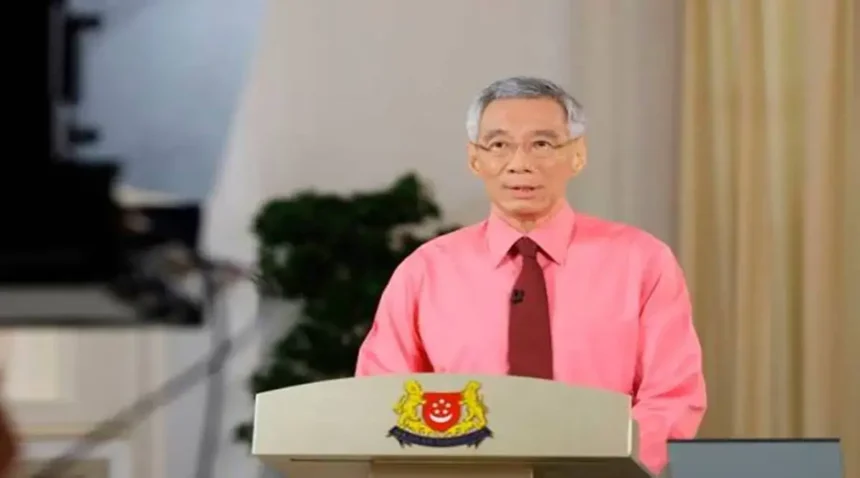
In a recent address at the Religious Rehabilitation Group’s (RRG) 18th annual retreat, Deputy Prime Minister Lawrence Wong highlighted the significance of cultivating strong community leaders to protect Singaporeans from the influence of radical ideologies. Referring to Singapore as a “prized target” for terrorists, Wong stressed the ongoing threat of terrorism and extremism, urging proactive measures to inoculate the population against such extreme ideologies.
Wong acknowledged that while terrorism may not be at the forefront of many Singaporeans’ concerns, the risk of radicalism and extremism persists. Recognizing the gravity of the situation, he emphasized the crucial role of community leaders in countering these threats and ensuring the safety and well-being of Singaporean society.
Singapore, known for its reputation as a stable and secure nation, has not been immune to the global rise of terrorism and radicalization. The evolving landscape of terrorism, characterized by its increasing focus on targeting youths, necessitates a proactive approach in safeguarding Singaporean citizens from falling victim to extremist ideologies. Wong’s address aimed to raise awareness about this critical issue and highlight the importance of preventive efforts in countering terrorism.
The term “inoculate” used by Wong implies a proactive strategy to build resilience among Singaporeans against extreme ideologies. It underscores the need to fortify individuals against the lure of radicalization by equipping them with knowledge, critical thinking skills, and a strong sense of identity and belonging. This approach aims to create a society that is resilient to the influence of terrorist propaganda and more capable of identifying and rejecting extremist narratives.
Wong’s call for strong community leaders is rooted in the understanding that they play a pivotal role in shaping societal attitudes and values. These leaders, whether from religious, educational, or community organizations, possess the ability to engage with individuals at the grassroots level and influence their perspectives. By fostering an environment of inclusivity, understanding, and open dialogue, community leaders can effectively counter extremist ideologies and promote a sense of unity and cohesion among Singaporeans.
The Religious Rehabilitation Group, an organization that provides counseling and rehabilitation services to individuals involved in or vulnerable to terrorism, plays a crucial role in this collective effort. Their annual retreat serves as a platform for religious leaders, scholars, and experts to come together and discuss strategies to counter radicalization and promote religious harmony.
It is important to note that the government of Singapore has already implemented a comprehensive counter-terrorism strategy that encompasses proactive intelligence gathering, robust security measures, and targeted interventions. However, Wong’s emphasis on community leaders and the need to inoculate Singaporeans against extreme ideologies reflects the recognition that a holistic approach is essential to effectively tackle the issue of radicalization.
Deputy Prime Minister Lawrence Wong’s address at the RRG retreat highlights the ongoing threat of terrorism and extremism in Singapore. By acknowledging the nation as a prized target for terrorists and emphasizing the need to inoculate Singaporeans against extreme ideologies, Wong underscores the importance of proactive measures. Building strong community leaders who can engage and guide individuals at the grassroots level is key to countering radicalization effectively. Through these efforts, Singapore aims to foster a resilient society that is capable of rejecting extremist narratives while promoting inclusivity, understanding, and unity among its citizens.